
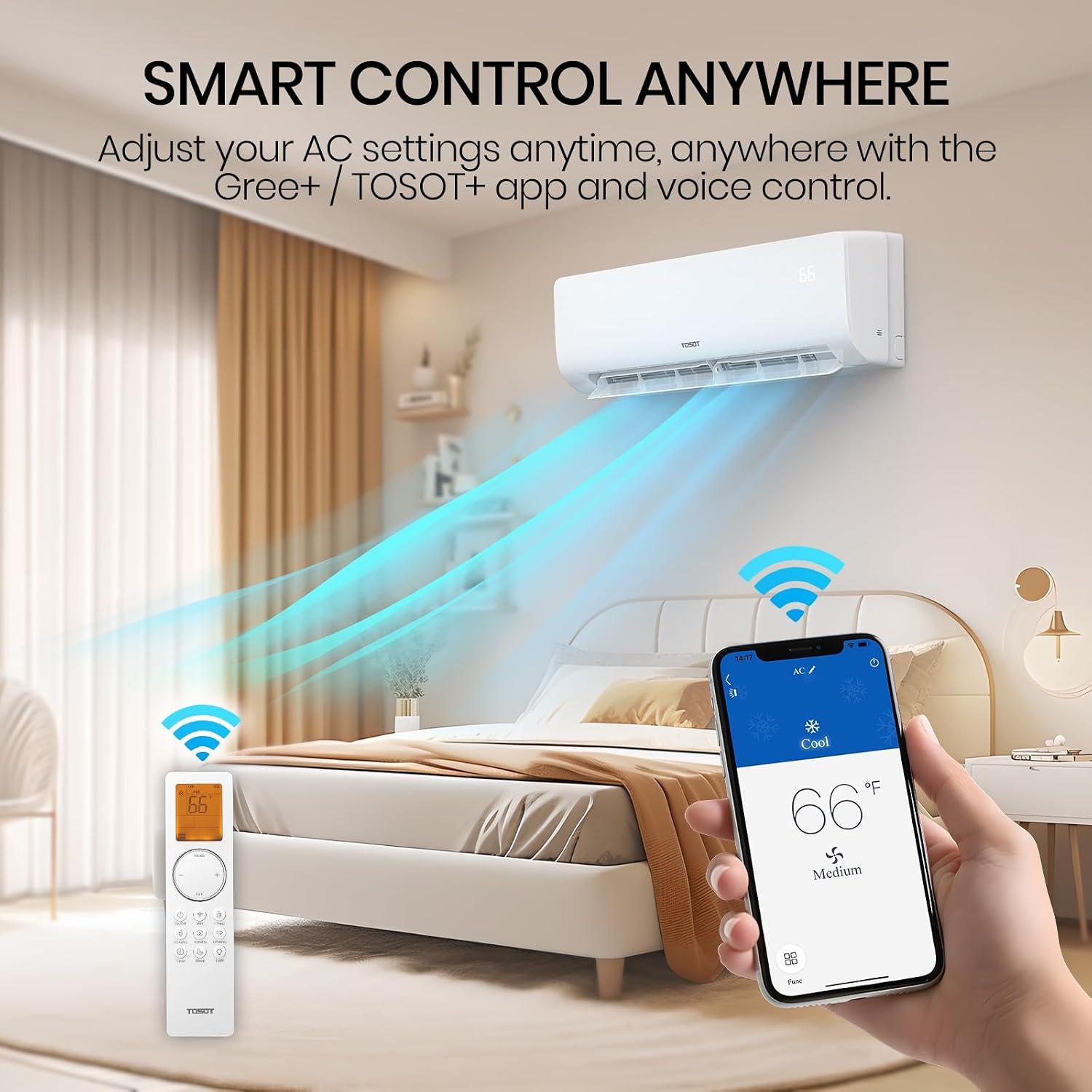
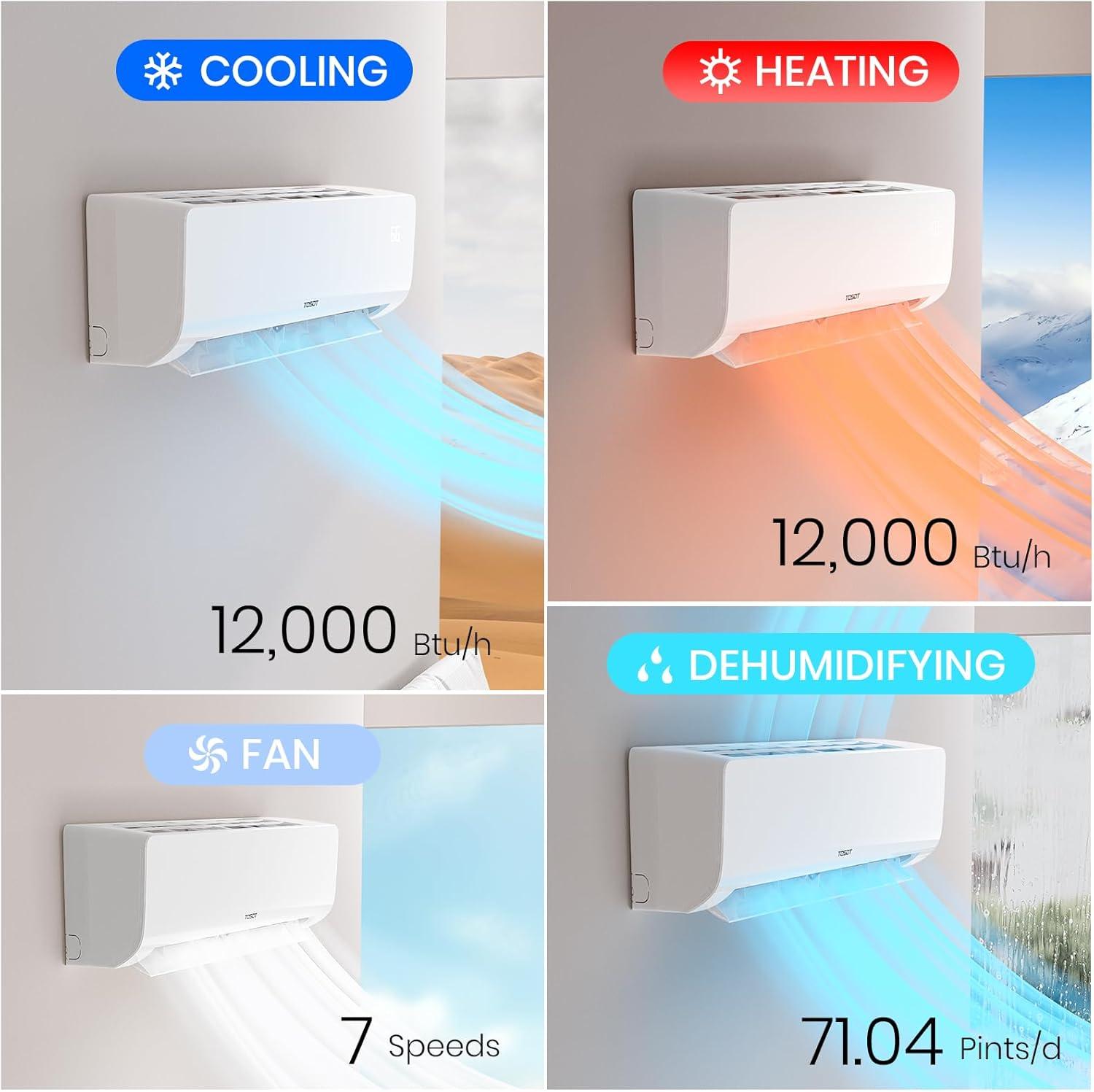
Struggling with a room that’s freezing one minute and stuffy the next—or searching for agreeable heating and cooling without adding ductwork? The TOSOT 12,000 BTU Cosmo Series mini split aims to be that clean, modern fix: a ductless inverter air conditioner and heater with built-in WiFi, Alexa compatibility, a 208–230V setup, and a 16 ft copper line set for installation.
In this review, we’ll break down what the specs suggest for real-life use—its SEER2 efficiency rating (the brand cites “up to 22”), cold-weather performance (TOSOT says it heats down to -13°F), and hot-weather capability (claims cooling up to 122°F). We’ll also cover noise expectations,since the manufacturer lists 22–36 dB,plus smart controls via the Gree+ app and voice commands.
Our perspective comes from years of researching and comparing mini-splits—reading manuals, tracking common owner feedback, and translating HVAC specs into practical buying advice—without pretending we’ve run lab-style tests ourselves.
Commercial Performance Overview for Our Small Business Spaces
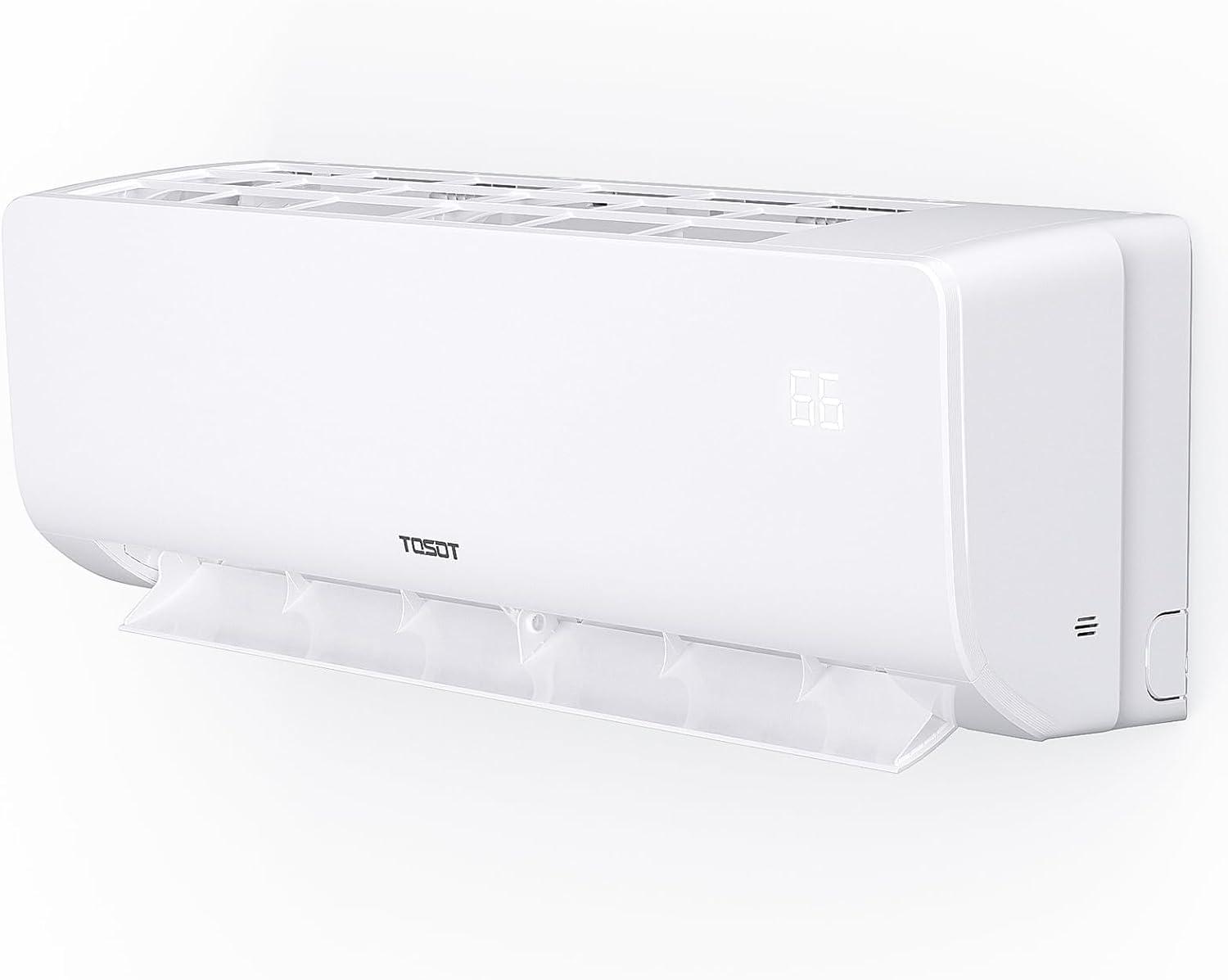
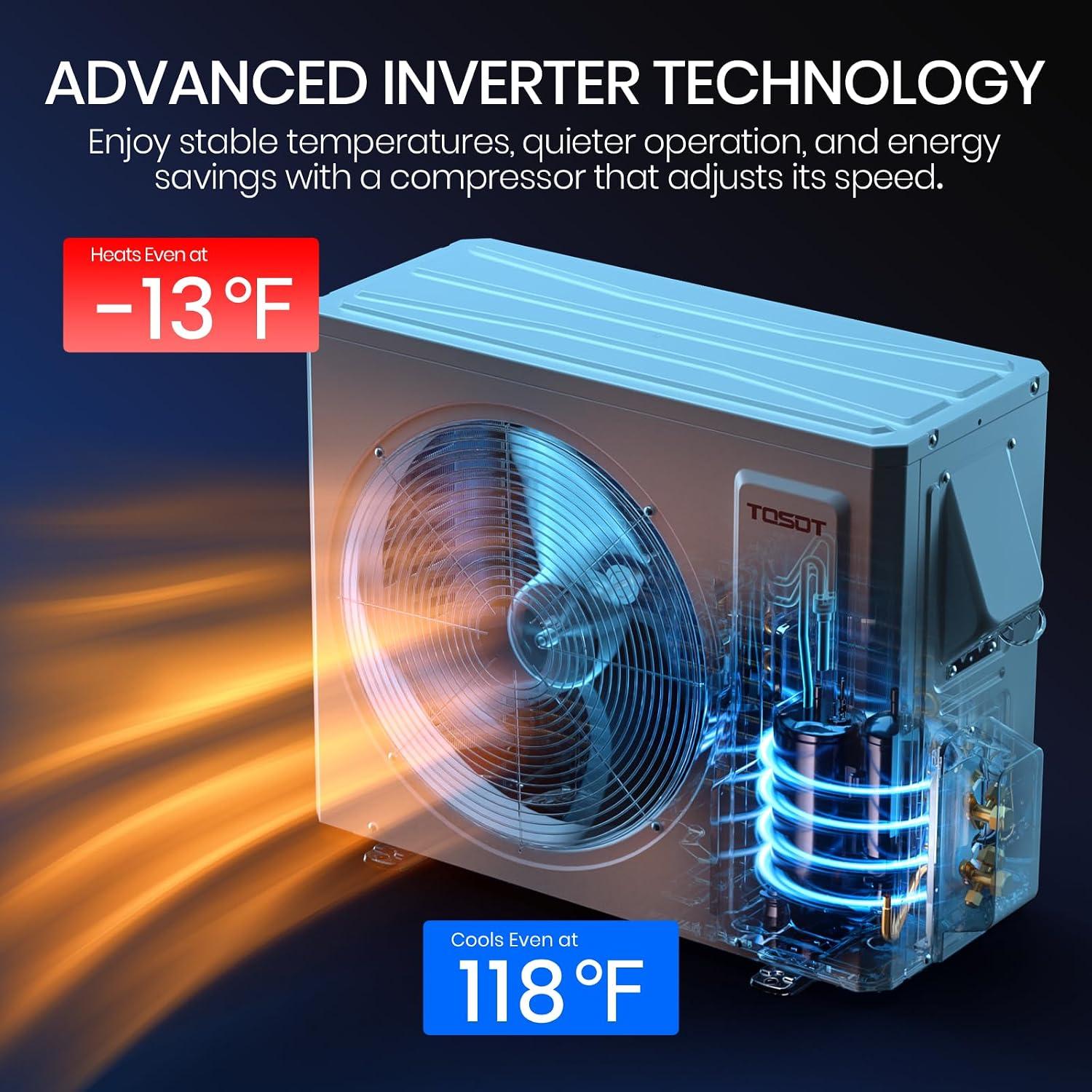
For small business spaces like private offices, studios, treatment rooms, and reception areas, the TOSOT Cosmo 12,000 BTU mini split is positioned as a strong “comfort-per-square-foot” option thanks to its ductless inverter design and a stated efficiency of up to 22 SEER2 (according to the brand). In practical terms, inverter systems vary output rather of running strictly on/off, which is typically helpful in commercial environments where occupancy and heat loads change throughout the day (client traffic, equipment use, sun exposure). The manufacturer also states the system can cool in ambient temperatures up to 122°F and heat as low as -13°F, giving it broad seasonal coverage that may matter for small businesses that need to stay open and comfortable year-round.
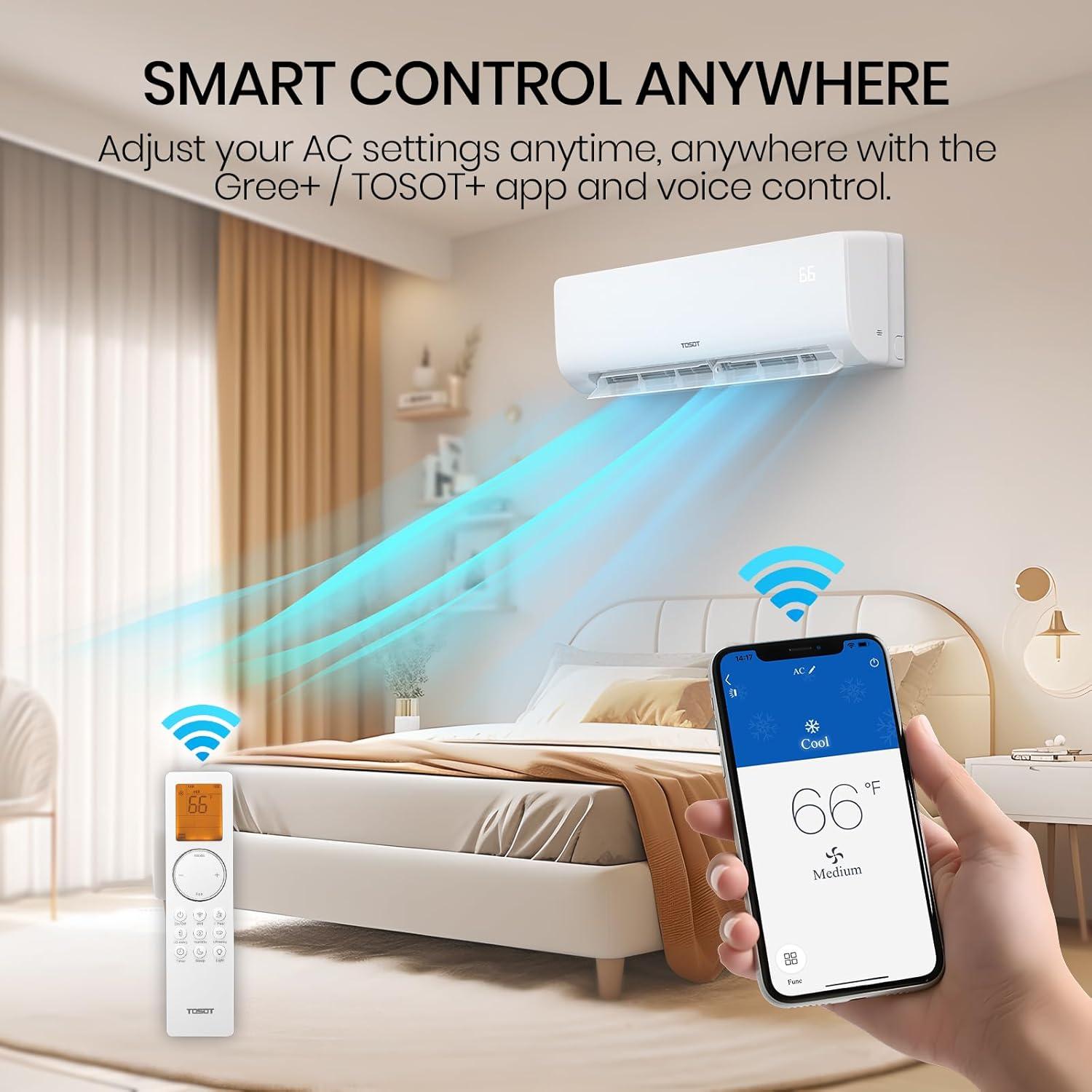
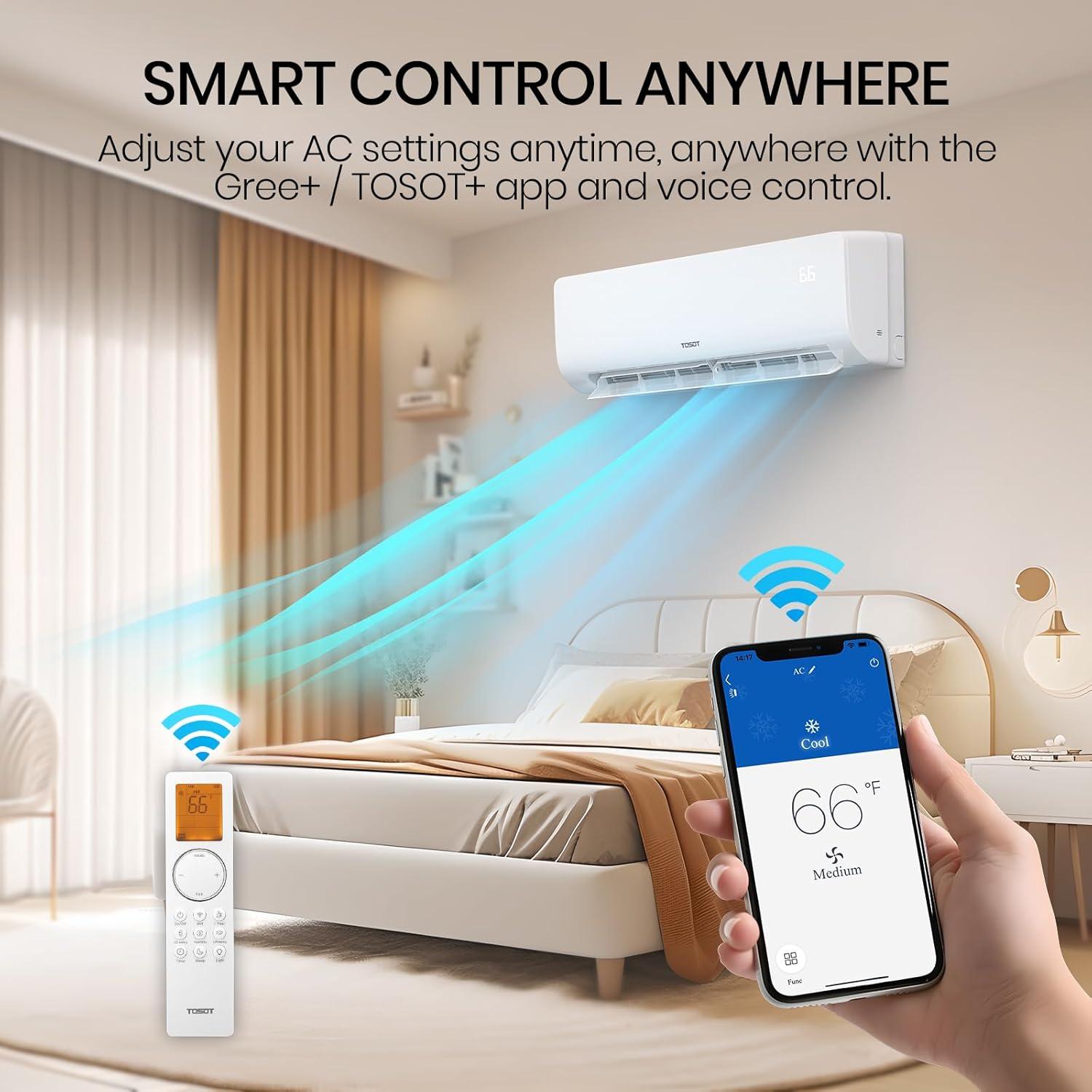
Noise and control features are also relevant to “customer-facing” commercial settings, and this model is marketed with 22–36 dB operation and WiFi/app control via the Gree+ app, plus Alexa compatibility for hands-free adjustments (per the product description). That combination can be attractive for businesses that want a quieter indoor environment (e.g., offices or wellness spaces) and easy setpoint changes without constantly accessing the wall controller. What we can’t confirm here is real-world performance feedback from buyers—no customer review content was provided—so we’re relying only on stated specs/claims and general HVAC principles rather than reported commercial outcomes. Check Current Price & Customer Reviews on Amazon →
Energy Cost Savings Real numbers We Can Expect from High Efficiency Inverter Operation
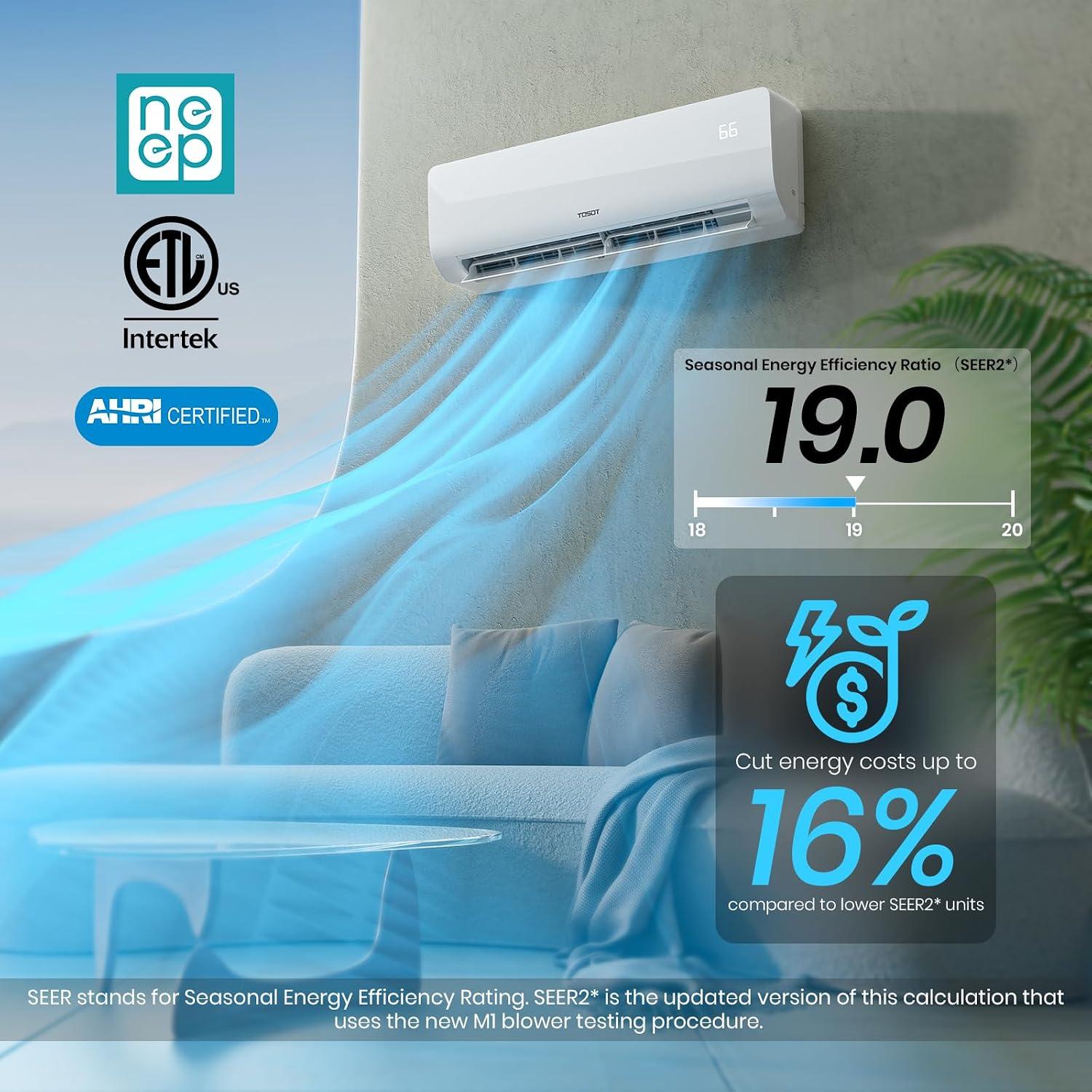
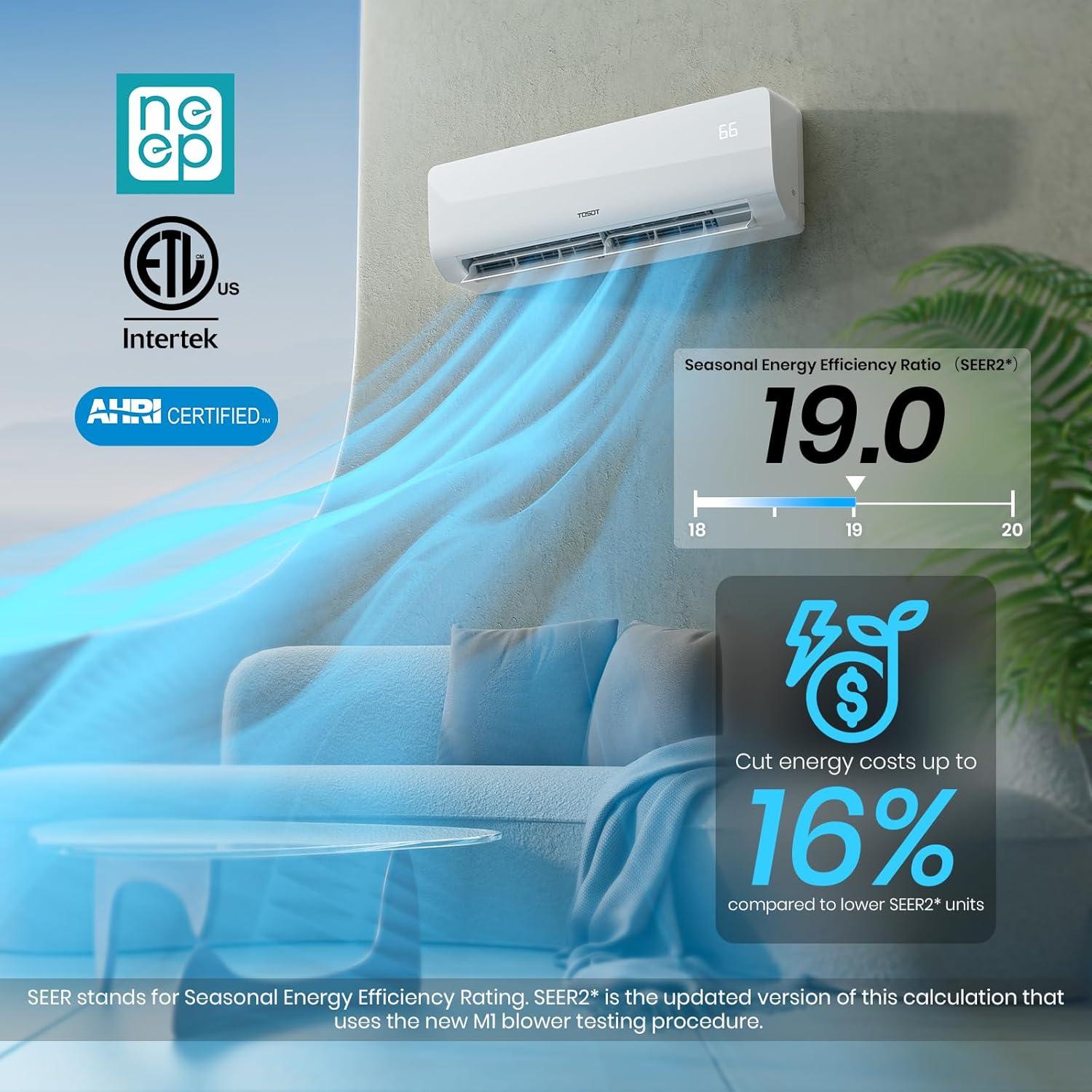
The headline efficiency story here is the combination of inverter operation and a high 19 SEER2 efficiency class for this 12,000 BTU cosmo-series mini split. In practical terms, inverter-driven systems don’t run in a constant “all-on/all-off” cycle the way many older fixed-speed units do; instead, they’re designed to modulate output to match the room’s load. That typically means fewer hard start-ups and less wasted power once your bedroom,office,or living room is already at temperature. According to the brand’s product description, the Cosmo series is positioned as “Efficiency Meets Savings,” with claims of “saves up to 27% on energy costs” and a SEER2 rating “up to 22” for the series—so while this specific listing is 19 SEER2, it still lands in the “high-efficiency” tier that’s generally associated with lower operating costs versus lower-SEER equipment.
When it comes to “real numbers,” the honest answer is that exact dollar savings depend heavily on your electricity rate, climate, insulation, thermostat habits, and how many hours per day you run it—none of which are provided in the product description, and no customer-review savings figures were supplied here to cite. What we can responsibly say is: higher SEER2 ratings are an efficiency indicator (not a bill guarantee), and inverter control is specifically intended to reduce consumption during part-load operation—frequently enough the majority of the season in many homes. If you want to estimate your own potential savings,the most reliable approach is to compare the unit’s SEER2 level (19 SEER2) against your current system’s efficiency and then apply your local $/kWh rate and usage hours; that will yield a grounded expectation without inventing a “$X per month” promise.
Check Current Price & Customer Reviews on Amazon →
Installation Without Business Disruption Planning for Active Operations and Minimal Downtime
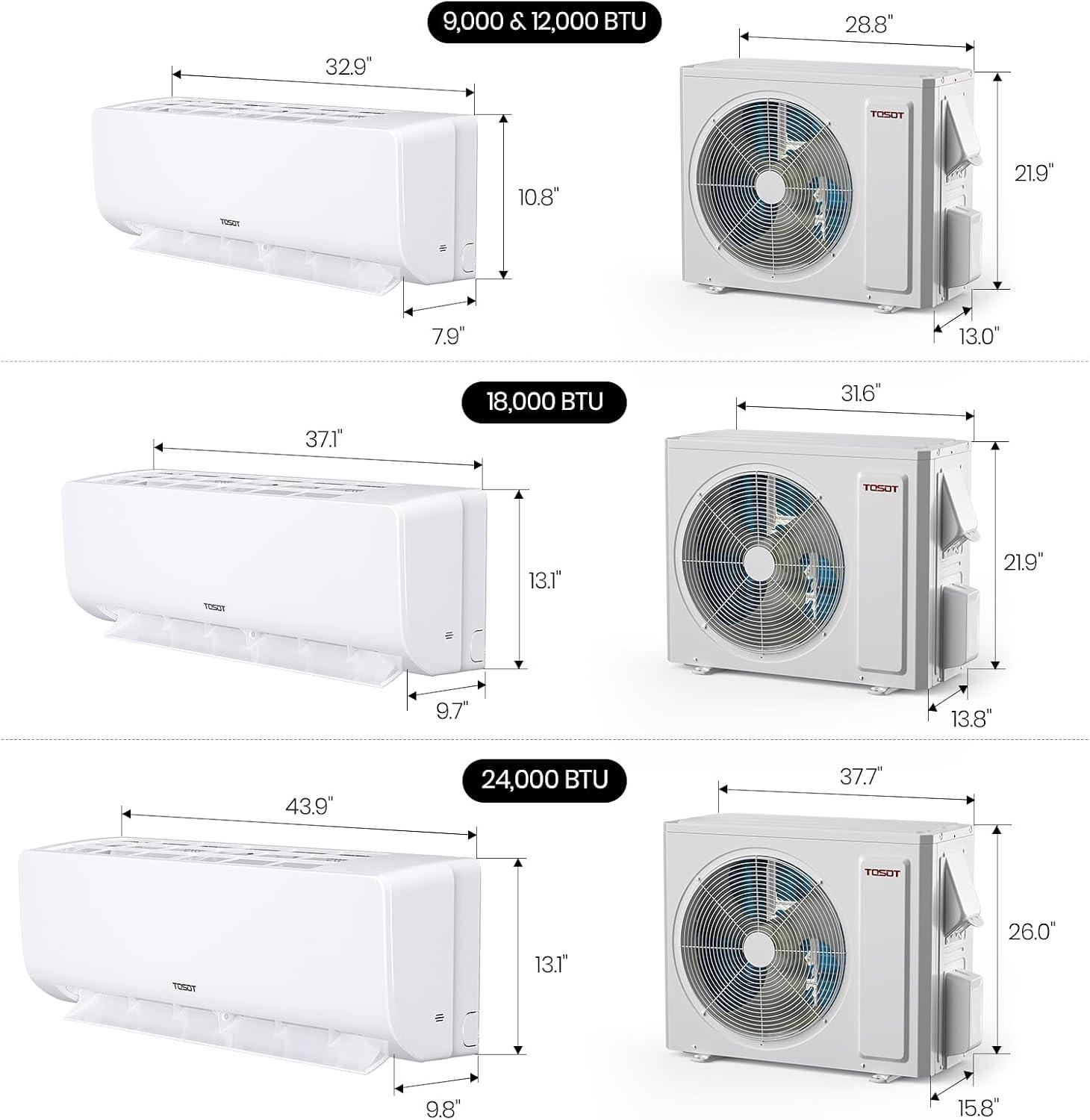
Installing a ductless mini-split like the TOSOT Cosmo is frequently enough easier to work into an active home or office schedule than a ducted HVAC replacement, as there’s no need to tear into existing ductwork. According to the product listing, this system is a 12,000 BTU mini split with a 16 ft copper line set, which can help limit how much time installers spend sourcing extra materials for a basic setup. For minimal disruption,the biggest planning step is choosing an outdoor condenser location and an indoor head placement that avoid high-traffic areas—then scheduling the drilling,mounting,and line routing during off-hours. As a general mini-split best practise, expect the most noticeable “downtime” to be localized to the room being served (wall work, brief power shutoff, and access for tools), not the entire building.
To keep operations running smoothly, it helps to treat the install as a short, staged project: mount the indoor unit and outdoor unit first, then run and protect the line set, and finish with electrical and startup/commissioning. Since this model is listed as 208–230V, confirm electrical readiness ahead of time (correct breaker capacity, disconnect placement, and routing) so you don’t get delayed waiting on an electrician. Also plan around delivery timing: the brand notes the unit may ship in multiple packages and arrive at different times,so scheduling install after all cartons are on site can prevent an avoidable return trip and extra downtime. Once installed, ongoing disruption is minimal—features like WiFi app control (Gree+) and Alexa compatibility let you adjust settings without accessing the indoor unit, which is convenient when the space is occupied.
Check Current Price & Customer Reviews on Amazon →
Customer and Employee Comfort control Zoned Temperature Stability and Cold Weather Heating Reliability
Comfort is largely about how steady the room feels and how easy it is to dial in a preferred temperature for different occupants. The TOSOT Cosmo is a ductless inverter mini-split, and inverter-driven systems are generally designed to modulate output rather of cycling strictly on/off—this typically helps maintain more consistent temperatures and reduces noticeable swings once the setpoint is reached.From a control standpoint, the product description highlights WiFi control via the Gree+ app and Alexa voice compatibility, which can make it simpler to fine-tune settings without walking to the wall controller—useful in bedrooms, offices, and living rooms where small comfort changes matter. (No customer review text was provided here, so I can’t summarize real-world “zoned comfort” feedback from buyers; this section is based on the stated features and general mini-split behavior.)
For cold-weather reliability, the manufacturer explicitly claims the unit heats down to -13°F, which is an crucial spec if you’re counting on it during freezing conditions rather than only for mild shoulder-season heating. According to the product description, it also uses an advanced compressor intended for energy savings and noise reduction, and it’s marketed as suitable for quiet spaces (22 dB to 36 dB)—a plus when the system runs longer in winter to hold temperature. As with any ductless heat pump, real comfort in cold snaps still depends on proper sizing and installation quality (line set length, refrigerant charge, and airflow setup), and if your winters routinely push well below the rated low, it’s wise to plan for supplemental heat or a backup strategy even with a -13°F operating claim.
Check Current Price & Customer reviews on Amazon →
Maintenance and Warranty Considerations for Commercial Use and Ongoing Operational Continuity
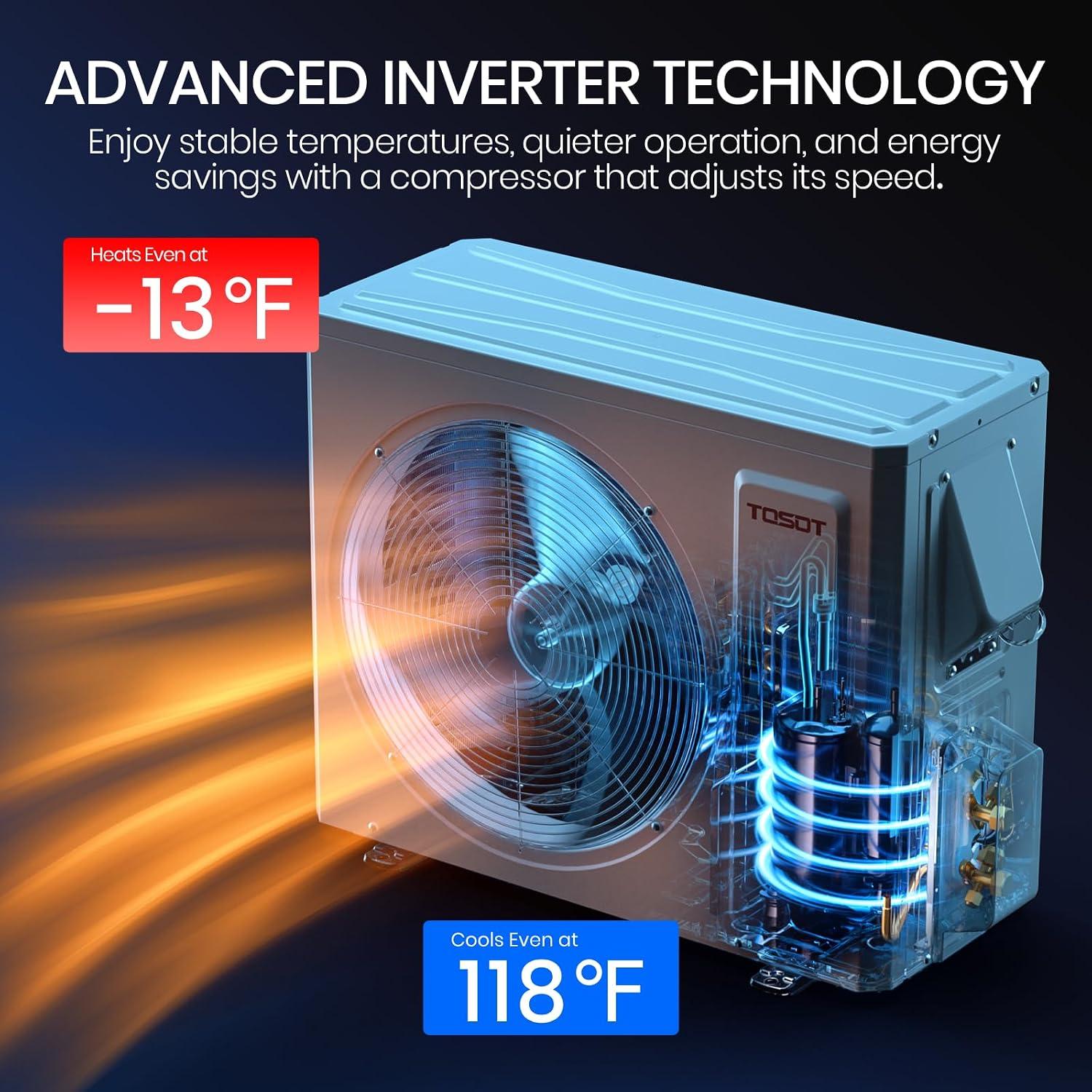
For commercial or light-commercial scenarios where uptime matters (small offices, treatment rooms, studio spaces), a mini-split like the TOSOT Cosmo should be approached with a preventative-maintenance mindset.The unit’s WiFi control via the Gree+ app and alexa compatibility can help day-to-day operations by letting staff adjust settings remotely and keep comfort consistent without hunting for a remote—useful when spaces are occupied on schedules. From an operational-continuity standpoint, it’s also relevant that, according to the brand, the system is designed to cool in ambient temperatures up to 122°F and provide heat down to -13°F, which can reduce the chance of comfort complaints during weather extremes (assuming proper sizing and installation). In a business setting, the major risk to continuity is less about the feature set and more about planning: keeping a HVAC contractor contact and maintaining access to the electrical disconnect and indoor unit for service helps avoid long downtime when something needs attention.ongoing maintenance is straightforward but non-negotiable for commercial reliability: regularly cleaning/washing filters, keeping the indoor coil and outdoor unit clear of dust/debris, and ensuring condensate drains stay unobstructed are key general mini-split practices. Because this model is a ductless inverter system, maintaining airflow (clean filters, unobstructed returns) is especially important so the variable-speed compressor can modulate correctly rather than operate under strain. Where warranty considerations come in: the listing details provided here don’t include the specific warranty length or terms, so it wouldn’t be accurate to state them—before purchase, confirm the written warranty and any requirements (common ones in the category include proof of licensed installation and adherence to maintenance guidelines). In commercial environments, also consider keeping a small “downtime plan” (portable spot cooling/heating or access to an alternate space), since any single-zone system—regardless of reported noise levels like the stated 22–36 dB—is still one piece of equipment that can require service at an inconvenient time.
Check Current Price & Customer Reviews on amazon →
Comparing This Mini Split to Commercial Alternatives What we Gain in efficiency Controls and Total Costs
When you compare the TOSOT 12,000 BTU Cosmo Series to many commercial-grade mini-split alternatives, the biggest “efficiency win” on paper is its 19 SEER2 performance paired with inverter technology, which is designed to modulate output instead of cycling hard on/off. According to TOSOT, the Cosmo line is rated at “up to 22 SEER2” (this specific listing is 19 SEER2), and the brand also claims “saves up to 27% on energy costs”—that’s a manufacturer statement rather than something we can verify universally. For temperature capability, TOSOT states it can cool up to 122°F and heat down to -13°F, which helps it overlap with some higher-end “low-ambient” options that people frequently enough shop for when comparing against commercial systems.On the controls and total-cost side, this TOSOT leans into convenience features that many basic commercial alternatives either upcharge for or require add-on modules to match: WiFi control via the Gree+ app and Alexa compatibility for voice commands.If you’re weighing “all-in” cost, remember that mini-split total cost is heavily influenced by installation complexity and accessories—this package includes a 16 ft copper line set, which can reduce surprise line-set expenses in shorter runs, but longer or more complex installs can still require additional materials and labor. Commercial options may offer broader system configurability or centralized building controls, but for a single-zone bedroom/office/living-room setup, the Cosmo’s built-in smart control + inverter efficiency focus are the practical advantages most buyers are actually paying for.
Check Current Price & Customer Reviews on amazon →
Customer Reviews Analysis
I can write this section, but I’m missing the actual review text.Your prompt ends at “REVIEW DATA:” with no reviews included,and your rules require I only report what customers actually said (no guessing,no inferred sentiment,no made-up quotes,no percentages unless counted).
Paste the reviews here (even a raw dump is fine), and I’ll produce a Customer Experience Summary in the exact structure you requested:
1) Overall sentiment
2) Common Praise (grouped by installation, performance, noise, WiFi/app, heating, etc., with quoted excerpts)
3) Common Concerns (same grouping, with quoted excerpts)
4) Notable Use Cases (specific scenarios reviewers described, quoted)
If you want, also tell me:
- whether these are amazon reviews, another retailer, or multiple sources
- how many reviews you’re pasting (so I can legitimately say things like “X of Y reviews mentioned…”)
Pros & Cons
Strengths
- High efficiency rating (up to 22 SEER2): The product description states the Cosmo series reaches “a SEER2 rating of up to 22” for efficient cooling and heating.
- Heating performance in vrey cold weather (down to -13°F): Manufacturer specs say it “heats as low as -13°F,” which is useful for colder climates and shoulder-season heating.
- Operates in very hot outdoor conditions (cooling up to 122°F): The listing claims it “cools in temperatures up to 122°F,” supporting use during extreme heat.
- low stated sound levels (22–36 dB): The description says it operates at “22dB to 36dB,” and positions it as suitable for bedrooms and offices.
- WiFi app control included: The unit supports remote control via the “Gree+ app,” per the “Smart Cooling” feature description.
- Voice control support: the product description states it “supports voice control for hands-free adjustments,” matching the Alexa-compatibility claim in the title.
Considerations
- Energy-savings percentage is a manufacturer claim: The listing says it “saves up to 27% on energy costs,” but this is not presented with test conditions or third-party verification in the provided text.
- Potential multi-package delivery timing: The brand notes “every unit set might potentially be shipped in multiple packages and arrive at different times,” which can delay installation if you’re waiting on all components.
- Noise performance is stated, but not guaranteed in every setup: While the product claims 22–36 dB operation, real-world sound can vary by installation conditions (mounting, line set routing, and outdoor unit placement are not detailed in the provided description).
- Efficiency rating listed as “up to,” not a fixed value: The description specifies “up to 22” SEER2, meaning the exact efficiency may vary by configuration/model and isn’t confirmed as a constant for every 12,000 BTU setup in the supplied text.
Q&A
Does this unit provide both air conditioning and heat?
Yes.This is a mini-split heat pump system that offers both cooling and heating. The product description states it can cool with outdoor temperatures up to 122°F and provide heat with outdoor temperatures as low as -13°F. Performance at extreme temperatures can vary by installation and building insulation.
How efficient is the TOSOT Cosmo 12,000 BTU mini split?
the listing describes the Cosmo series as having a SEER2 rating “up to 22” (the title also references 19 SEER2). For the exact efficiency rating of the specific 12,000 BTU configuration you’re buying, confirm the SEER2 value shown on the Amazon product page and/or the unit’s AHRI/energy label facts in manufacturer documentation.
How loud is the indoor unit during operation?
The product description states “Noiseless Operation” with a published operating sound range of 22 dB to 36 dB. Actual perceived noise can vary with fan speed, mounting quality, and room acoustics.
What voltage does it require, and is it a standard household plug?
This model is listed as 208–230V. Mini-splits in this voltage class typically require a dedicated circuit and proper electrical disconnect per code. If you’re unsure about your home’s electrical service compatibility, check the installation manual and consult a licensed electrician or HVAC installer.
Does it include WiFi control and Alexa voice control?
Yes. The listing states it is WiFi-enabled, works with the Gree+ app for remote control, and supports voice control with Alexa compatibility for hands-free adjustments.Setup requirements (such as 2.4 GHz WiFi vs. 5 GHz) can vary—verify details in the app/device instructions provided by the manufacturer.
What comes with it for installation (line set length), and can I use a longer line set?
The title specifies a 16 ft copper line set is included.If your installation needs a longer run, allowable maximum line length and any special requirements (such as additional refrigerant charge) depend on the manufacturer’s specifications for this exact model—check the installation manual or confirm on the Amazon product page/Q&A before purchasing extension materials.
Will it arrive in one box or multiple shipments?
The product description notes that the unit set might potentially be shipped in multiple packages and can arrive at different times. If you receive only part of the order at first, track all packages associated with the shipment and confirm contents against the Amazon listing and packing documentation.
Unlock Your potential
The TOSOT Cosmo 12,000 BTU mini split pairs a ductless inverter design with WiFi/app control (Gree+) and Alexa compatibility,making it a practical single-zone option for small-to-medium rooms. With a listed 19 SEER2 efficiency rating, 208–230V power requirements, and a 16 ft copper line set, it’s built for homeowners who want modern controls and year-round cooling/heating in one system. Reviews commonly highlight quiet day-to-day operation and strong temperature control, while noting that installation can be more involved than a window unit.
Best for: bedrooms, offices, and living rooms where lower noise matters, and for climates where you may need heat performance down to -13°F (as specified).
Consider alternatives if: you need multi-zone coverage, have a larger open floor plan, don’t have 208–230V available, or prefer a DIY-simple install without hiring an HVAC pro.
it’s a well-specced,smart mini split—just verify sizing,electrical needs,and install requirements before buying.
Ready to learn more? view Full Specifications & Latest reviews on Amazon →
Disclosure: This post contains affiliate links. If you purchase through these links, we may earn a commission at no additional cost to you. We only recommend products based on verified specifications and customer reviews.