
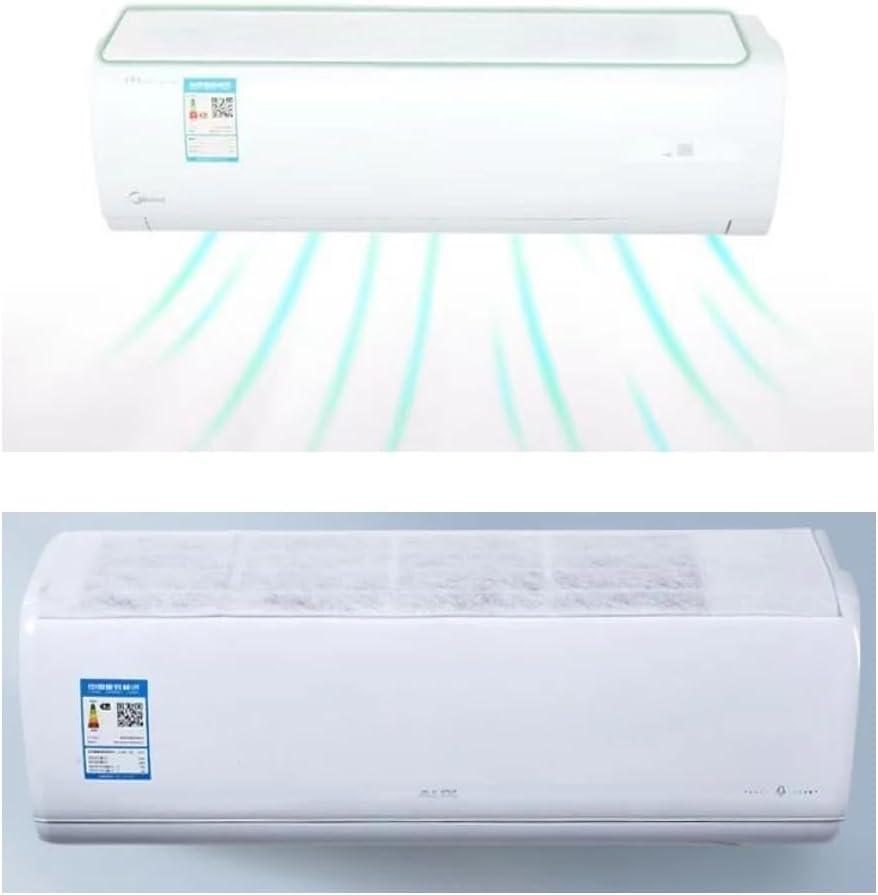
Ever notice how your mini-split can start blowing less “fresh” air over time—even when the room looks spotless? Dust quietly builds up around the indoor unit’s intake, and once it’s there, keeping the inside of the system clean can feel like a constant battle.
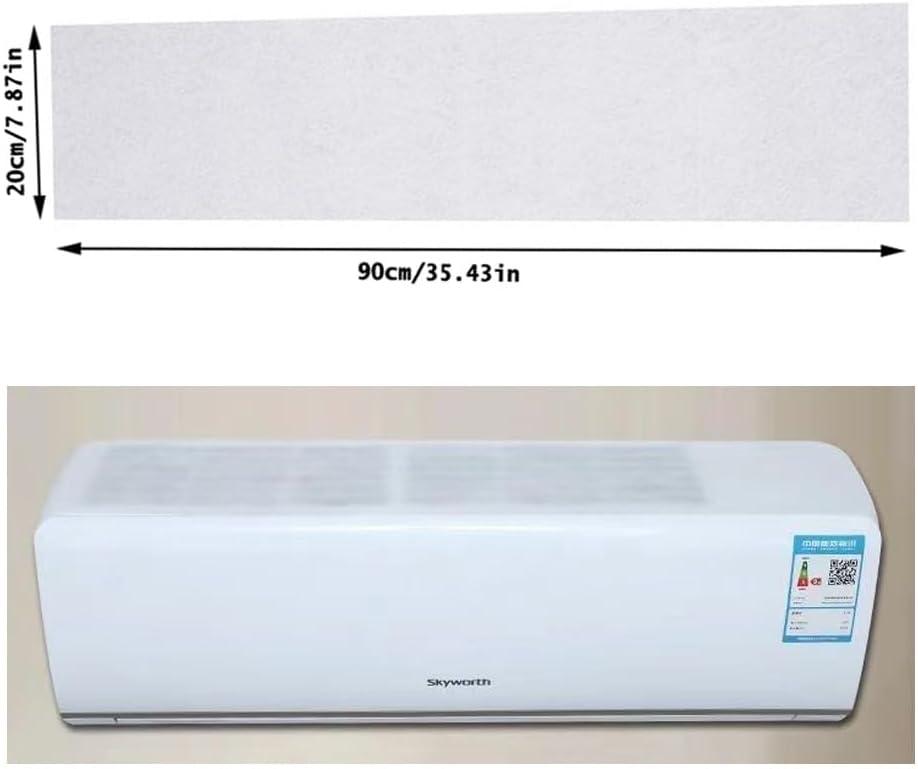
In this review, we’re looking at the 10 Pack Mini Split Vent Filters Cover—a set of white, non-woven fabric dust covers designed for ductless inverter split-system AC/heat pump indoor units.Each sheet measures 90 × 20 cm (35.43 × 7.87 in) and can be trimmed to fit, with a wrinkle-resistant, breathable, fine-gap structure intended to offer low air resistance so it won’t interfere with outlet airflow or suction efficiency.
We’ll cover what comes in the pack, how installation and replacement work, were these filters make sense (from homes to classrooms and hotels), and what to consider about the suggested 30–45 day replacement window.
We’ve maintained and lived with mini-splits in everyday spaces, so we’ll focus on practical upkeep—not hype.
Commercial Performance Overview for our Mini Split Vent Filter Strategy in Business Operations
In business operations, this 10-pack mini split vent filter strategy is positioned as a simple, repeatable way to standardize light-touch HVAC intake protection across multiple indoor units and sites. According to the product description, each cover is made from non-woven fabric with a “fine gaps” structure that’s described as breathable and wrinkle resistant, and the manufacturer claims it offers low air resistance so it “has no effect on the air conditioning outlet” and “does not affect the air conditioning suction efficiency.” For facilities that prioritize consistent housekeeping and predictable maintenance routines,the stated 90 × 20 cm (35.43 × 7.87 in) size—plus the note that it can be trimmed according to needs—supports a one-SKU approach across varied head units, which can simplify procurement and stocking.
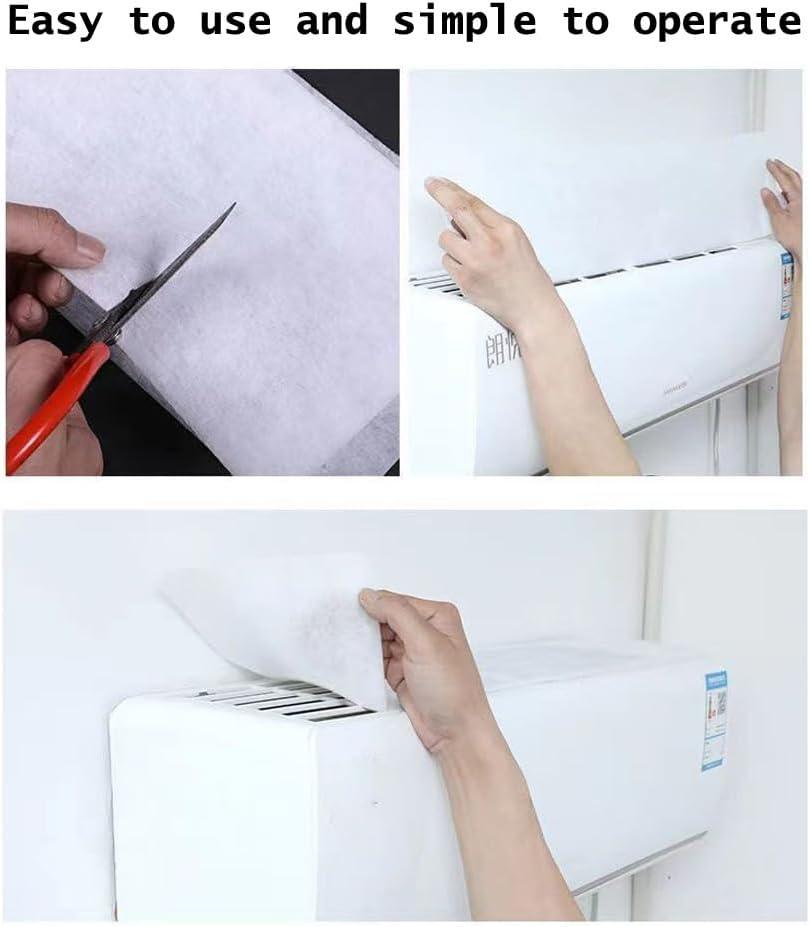
Commercially, what we can say from the provided details is that the product is designed to be operationally convenient: it’s described as easy to install and replaceable at any time, and the manufacturer’s stated purpose is “to protect the cleanliness inside the air conditioner and increase its efficiency.” The description also outlines intended deployment beyond residential use—restaurants, hotels, classrooms, public places, factory workshops, and conference rooms—which aligns with common multi-zone mini-split environments where airborne dust can accumulate. for planning purposes, the only defined replacement guidance provided is: generally used at home for 30–45 days, with the caution that not replacing after expiration “may affect the efficiency of the air conditioner.” (no customer review feedback was supplied hear, so we can’t validate real-world longevity, fit consistency, or operational impact beyond these manufacturer statements.)
Check current Price & Customer Reviews on Amazon →
Energy Cost Savings Real Numbers for Efficiency and Operating Costs
Energy-cost “real numbers” are hard to promise with this 10-pack because the listing doesn’t provide a dollar-savings estimate, and there aren’t customer-review bill comparisons to cite here.What the product description *does* claim is that the non-woven fabric has low air resistance and “has no effect on the air conditioning outlet” and “does not affect the air conditioning suction efficiency.” In plain terms, that suggests these covers are intended to add filtration without forcing the indoor fan to work substantially harder—critically importent, as restrictive filters can increase airflow resistance, which can raise operating cost and reduce comfort. The manufacturer also says the purpose is “to protect the cleanliness inside the air conditioner and increase its efficiency,” which is directionally consistent with standard HVAC maintenance: keeping dust from building up on coils and blower components helps the system move air and exchange heat more effectively.
For operating costs, the most “real” takeaway you can plan around from the description is maintenance cadence rather than a guaranteed monthly savings. The listing recommends a 30–45 day replacement interval for typical home use and notes that if it’s “not replaced after expiration, it may affect the efficiency of the air conditioner.” That matters financially as a loaded filter is one of the more common causes of reduced airflow, longer run times, and avoidable service calls. Practically,with a 10-pack,you’re looking at roughly 10–15 months of replacements if you follow the stated schedule (depending on whether you change at 30 or 45 days). That’s not a promise of lower electric bills—but it is indeed a straightforward way to budget ongoing filter changes and perhaps reduce efficiency losses tied to neglected filtration.
Check Current Price & customer Reviews on Amazon →
Installation Without Business Disruption for Active Worksites and Daily Operations
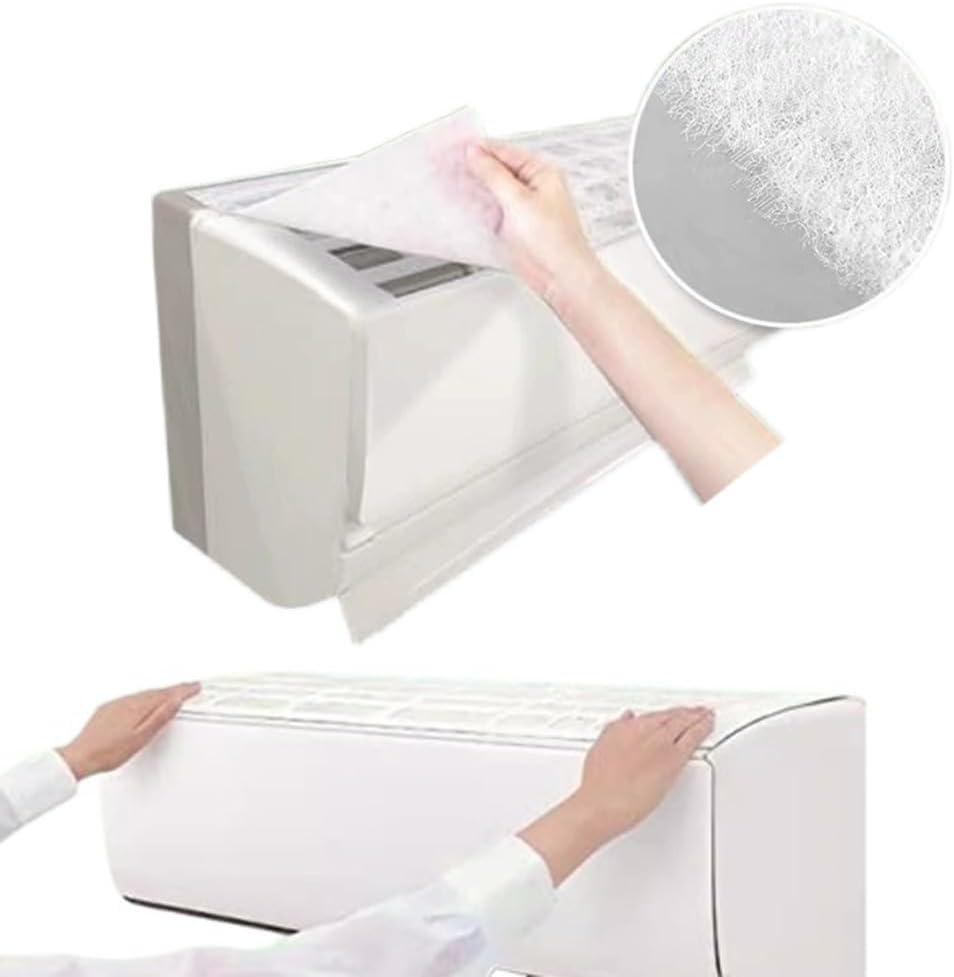
For active worksites and buildings that can’t afford downtime, these covers are positioned as a quick add-on rather than a mechanical retrofit. According to the product description, the non-woven fabric sheet measures 90 × 20 cm (35.43 × 7.87 in) and can be trimmed to fit, which supports fast placement on different ductless indoor units without changing the equipment. The listing also states they’re easy to install and replaceable at any time, making it more realistic to schedule swaps around normal business hours (between shifts, during cleaning cycles, or between meetings) rather of shutting down a space for service.
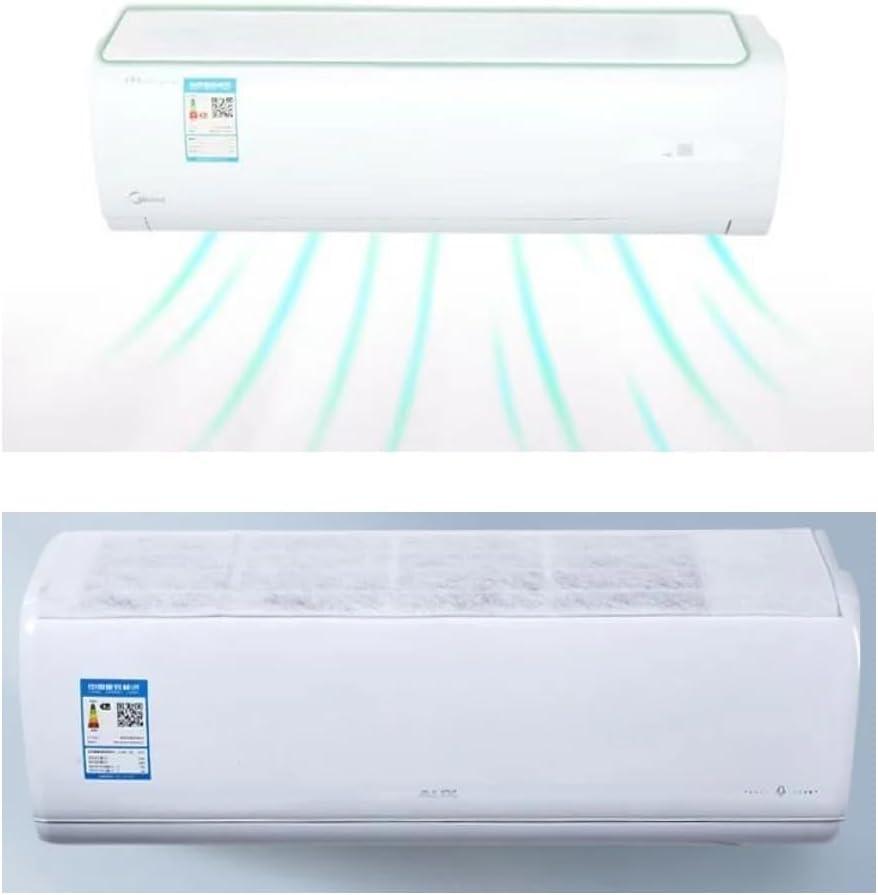
Another point that matters in day-to-day operations is airflow. The manufacturer claims low air resistance and that it “has no effect on the air conditioning outlet and does not affect the air conditioning suction efficiency,” which is relevant for facilities trying to reduce dust buildup while keeping comfort stable. The description also explicitly calls out use in restaurants, hotels, classrooms, public places, factory workshops, and conference rooms, aligning with environments where ongoing traffic makes long maintenance windows difficult. Replacement timing is still something you’ll need to plan for: the listing recommends 30–45 days for typical home use, and notes that not replacing after expiration “may affect the efficiency of the air conditioner”—in busier, dustier worksites, you may need to inspect more often based on conditions.
Check Current Price & Customer reviews on Amazon →
Maintenance and Replacement Planning Warranty Readiness and Comparison to Commercial Grade Alternatives
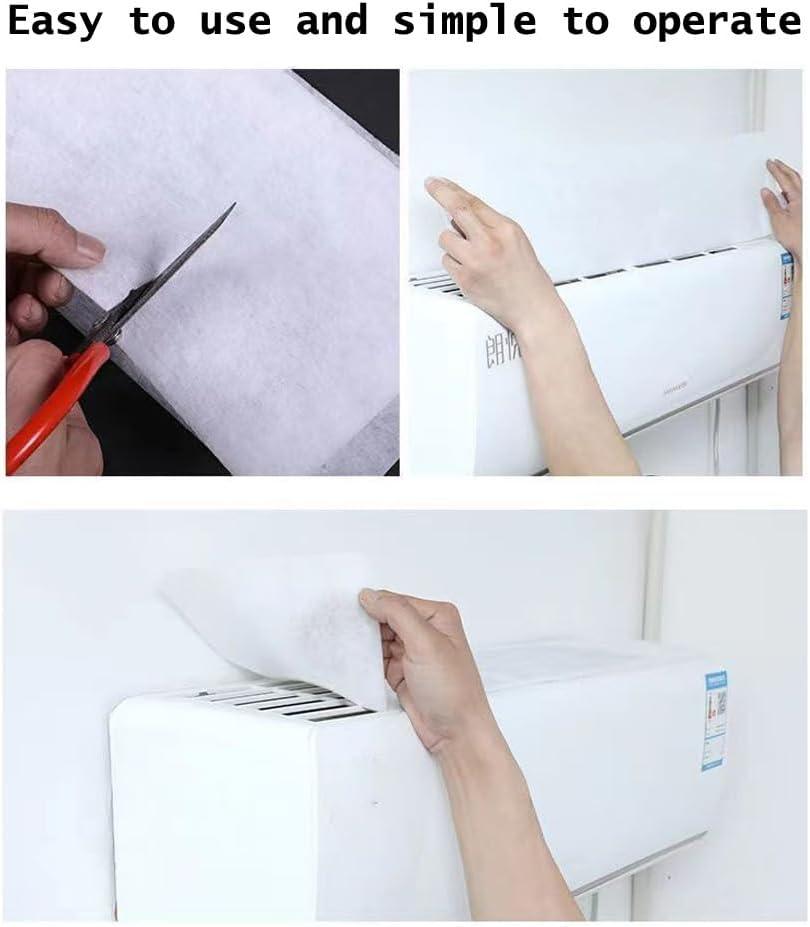
For maintenance planning, the manufacturer positions these as a simple, disposable pre-filter: non-woven fabric sheets sized 90 × 20 cm (35.43 × 7.87 in) that can be trimmed to fit and are intended to be easy to install and “replaceable at any time.” they also note low air resistance and warn that failing to replace the filter after it’s “expired” may affect AC efficiency. For replacement scheduling, the product description gives the clearest guidance: 30–45 days for typical home use, with the practical caveat that dusty homes, pets, smoking, or higher run-times can justify changing sooner (a good rule of thumb is to visually inspect and replace once it darkens or looks loaded with dust).
On warranty readiness and commercial comparisons, there’s no warranty information provided in the source material, so you’ll want to confirm whether your mini-split manufacturer considers add-on inlet screens acceptable (some brands are sensitive to airflow restrictions and “non-approved accessories”). In general HVAC terms, any add-on filter is safest when it truly doesn’t impede airflow—this listing claims “low air resistance,” but that’s still something you should monitor by watching for reduced throw, icing, or unusual noise. Compared with commercial-grade alternatives, the description frames these more as a lightweight, disposable dust screen for broad settings (homes, hotels, classrooms, workshops) rather than a specified, rated filtration product (no MERV rating or performance standard is stated). If you need “commercial-grade” filtration planning, look for products with published filtration ratings and documented compatibility—but for basic coil cleanliness and frequent swap-outs, the included 10-pack format is naturally geared toward routine replacement.
Check Current Price & Customer Reviews on Amazon →
Customer Reviews Analysis
I can’t write an accurate “customer Experience summary” yet because no actual review text (or star-rating snippets) was included after “REVIEW DATA:”. Your rules require I only report what customers actually said, and I can’t infer or invent themes without the reviews.
Paste the review content (or a dump of review titles + bodies, even if anonymized), and I’ll produce the summary in the exact structure you specified:
- Overall Sentiment
- Common Praise (grouped by themes like fit/size, filtration, ease of install, material quality, value, etc.)
- Common Concerns (same grouping; with quoted excerpts where useful)
- Notable Use Cases (e.g., mini-split indoor units, heat pumps, dusty environments, pet hair, allergies—only if reviewers mentioned)
If you share how many reviews you’re providing, I can also use counted statements like “X of Y reviews mentioned…”.
Pros & cons
Strengths
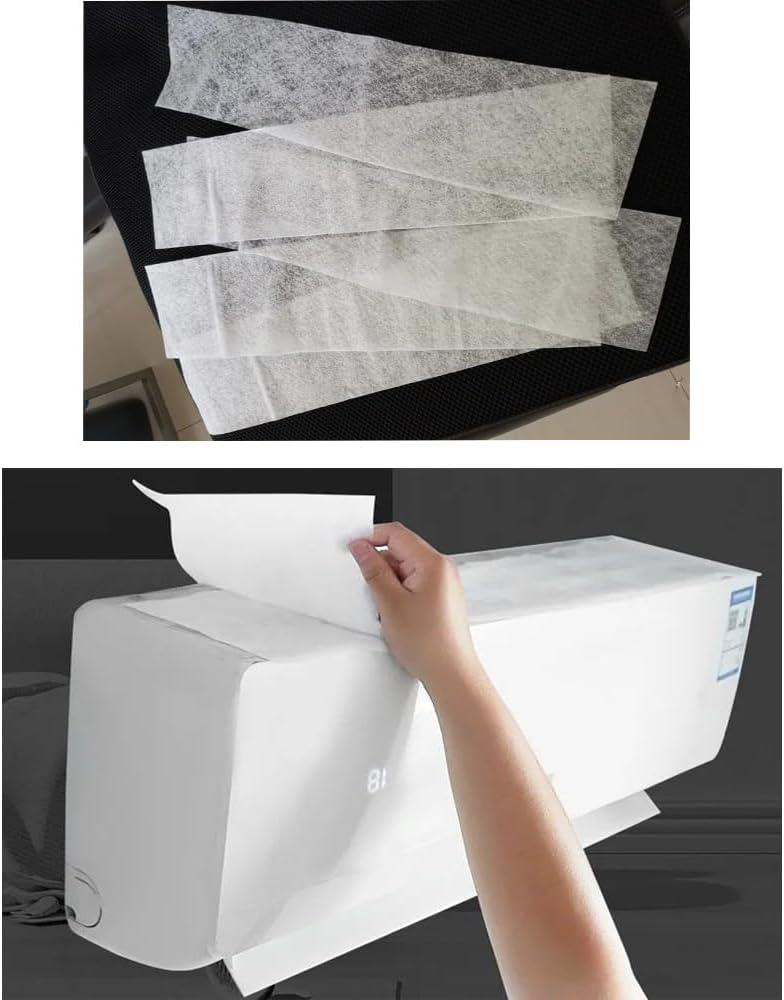
- Non-woven fabric construction: Described as having “fine gaps” with a “fluffy structure,” plus being wrinkle-resistant and breathable.
- Low air resistance design: The listing claims low air resistance that “has no effect on the air conditioning outlet” and does not affect suction efficiency.
- Trim-to-fit size: Each sheet is listed as 90 × 20 cm (35.43 × 7.87 in) and “can be trimmed according to needs,” helping fit different indoor unit intakes.
- Easy to install and replace: The product description states it’s “easy to install” and “replaceable at any time.”
- Helps keep the AC interior cleaner: Stated purpose is “to protect the cleanliness inside the air conditioner,” intended to reduce dust entering the unit.
- 10-pack for ongoing replacements: Package includes “10 x Air Conditioning Inlet Dust Film Screen,” which supports multiple change-outs.
Considerations
- Not permanent—requires regular replacement: Recommended home-use replacement interval is “30–45 days,” so it’s a recurring maintenance item.
- Performance depends on timely replacement: The listing cautions that if it’s “not replaced after expiration, it may affect the efficiency of the air conditioner.”
- May require measuring and trimming for proper fit: Since it “can be trimmed,” users may need to cut it to size rather than expecting a perfect fit out of the box.
- Only a dust film screen (limited scope): The product is described specifically as an “inlet dust film screen,” so it’s intended for dust protection rather than being a full-featured filtration system.
Q&A
What’s included in the pack, and what are these filters made of?
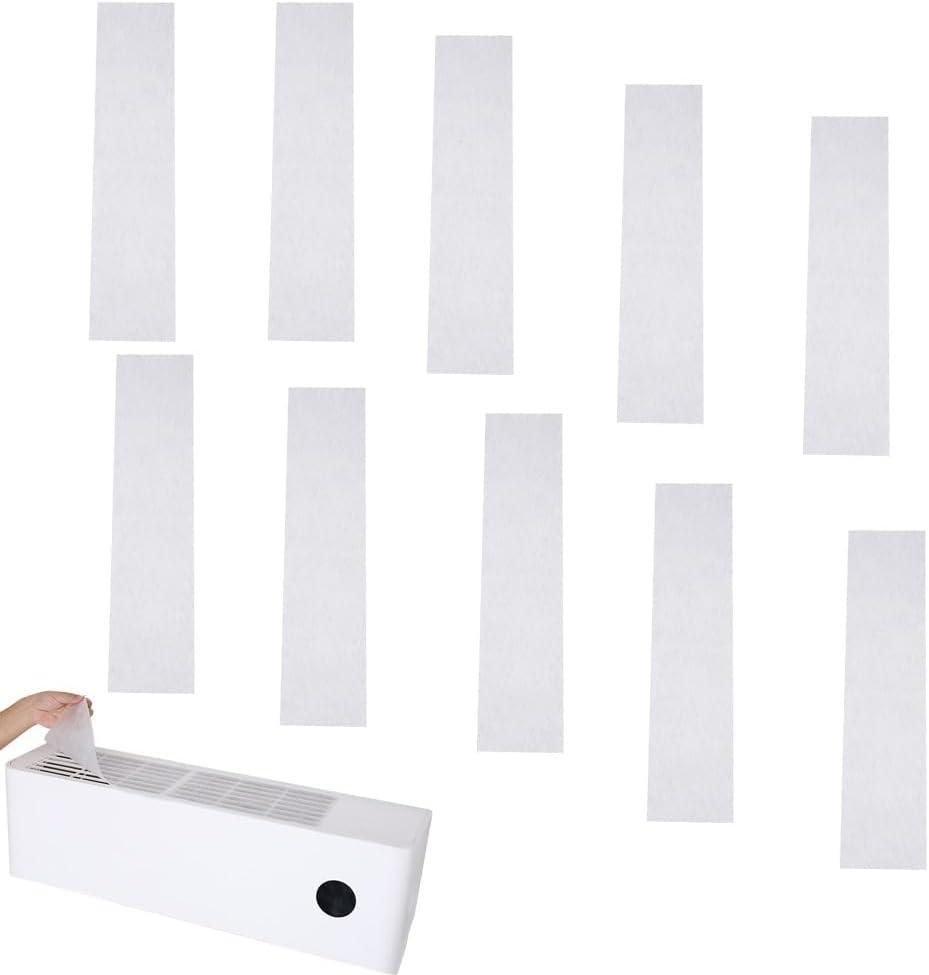
The package includes 10 air conditioning inlet dust film screens. They’re made of non-woven fabric (white) described as having fine gaps, a fluffy structure, and being wrinkle-resistant and breathable.
What size are the covers, and can they be cut to fit my mini-split?
Each piece is listed as 90 × 20 cm (35.43 × 7.87 in). The product description states it can be trimmed according to needs, which is helpful if your indoor unit’s intake area is smaller than the sheet.
Where do these go on a ductless mini-split indoor unit—on the air outlet or the air inlet?
They’re described as an “inlet dust film screen,” meaning they’re intended for the air intake area (where the unit pulls room air in), not the supply louvers where air blows out. If your indoor unit has a washable mesh pre-filter,this product is typically used as an added dust layer on the intake side. If you’re unsure for your model,check the indoor unit manual or the Amazon listing/Q&A for placement guidance.
Will adding this restrict airflow or reduce my system’s performance?
The listing specifies “low air resistance” and says it “has no effect on the air conditioning outlet” and “does not affect the air conditioning suction efficiency.” In general HVAC use, any filter media can reduce airflow once it loads with dust, so replacement at the recommended interval is critically important to avoid efficiency impacts.
How frequently enough should I replace these covers?
The product description recommends replacement every 30–45 days for typical home use.It also notes that if it is not replaced after it “expires,” it may affect the air conditioner’s efficiency. In dustier environments (restaurants, workshops, etc.), you may need to replace sooner based on visible buildup.
Are these washable/reusable, or are they disposable?
The listing describes them as “replaceable at any time” and provides a replacement interval, but it does not state that they are washable or reusable. For that reason, they should be treated as disposable intake dust covers unless the manufacturer/seller states otherwise on the Amazon product page.
What types of places and systems can these be used in?
The description says they can be used at home and also in restaurants, hotels, classrooms, public places, factory workshops, or conference rooms. It’s marketed for ductless inverter split system indoor units (mini-splits). For confirmation of compatibility with your specific indoor unit design and intake layout, verify measurements and check the Amazon product page details and Q&A section.
Embody Excellence
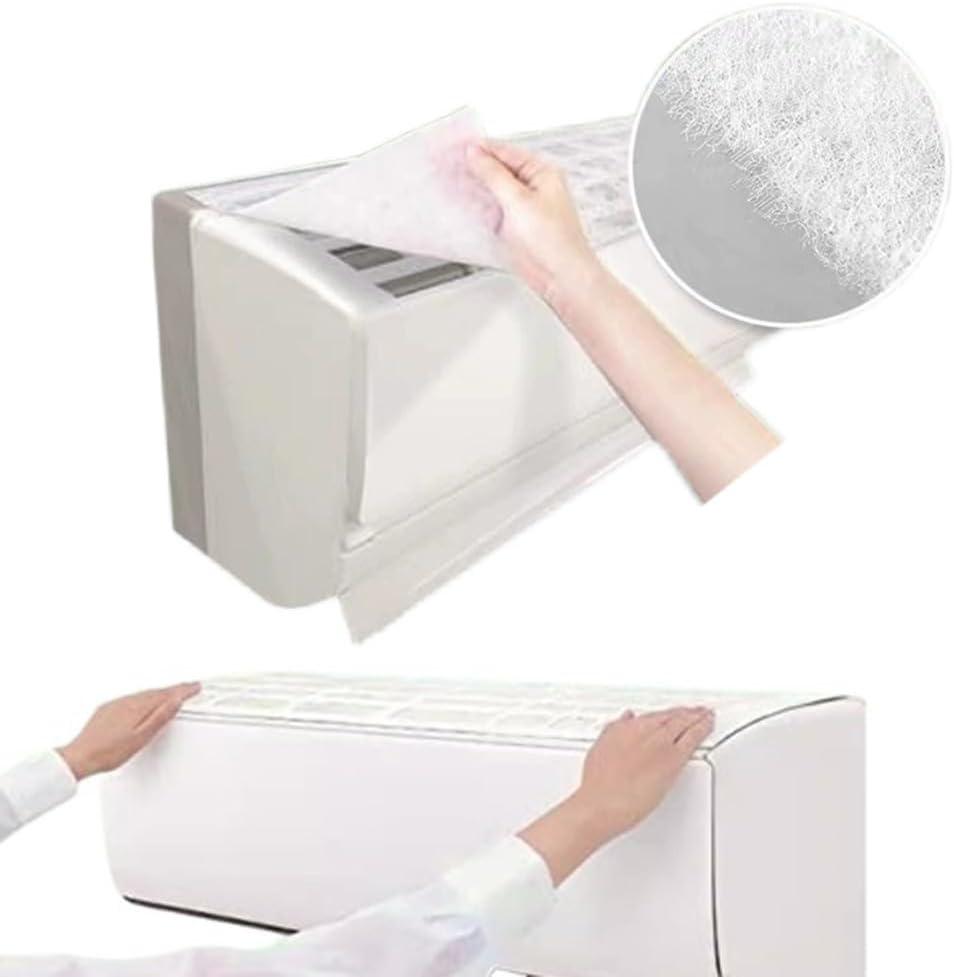
This 10-pack of mini split vent filter covers is a simple, low-cost way to help keep dust from building up inside a ductless mini-split indoor unit. Made from breathable non-woven fabric with fine gaps, each sheet measures 90 × 20 cm (35.43 × 7.87 in) and can be trimmed to fit. Reviews and product details generally emphasize easy installation/replacement and low air resistance, which is intended to avoid interfering with airflow.
Best for: homes, classrooms, hotels, restaurants, and workshops where you want an extra dust barrier on the air inlet, especially in dusty environments or high-use rooms. The suggested replacement interval is about 30–45 days for typical home use.
consider alternatives if: you need a true HEPA-level solution, have allergy-specific filtration needs, or your unit’s design/material could make adhesion or fit tricky—these are covers, not OEM filters.
it’s a practical add-on if you’re comfortable with regular replacement and checking fit.
Ready to learn more? View Full Specifications & Latest Reviews on Amazon →
Disclosure: This post contains affiliate links. If you purchase through these links, we may earn a commission at no additional cost to you. We only recommend products based on verified specifications and customer reviews.