

Staring at that messy hole where your mini-split lines disappear into the wall—yellowed foam, cracked caulk, and insulation that never quite looks “finished”? If we’re investing in a clean ductless setup, the wall penetration shouldn’t be the part that makes everything look like a quick patch job.
The FOSA HVAC Wall Penetration cover kit is a split AC line set wall cover kit designed as a retrofit finish solution for mini split air conditioners and heat pumps. According to the manufacturer, it uses a soft gasket to help create a tighter seal, while protecting the wall penetration area from sun, wind, cold, and dust.It’s also positioned as a quick, around-existing-lines install, and the brand claims compatibility with surfaces like brick, concrete, drywall, and uneven walls—all in a neutral gray finish.
In this review, we’ll walk through what it’s meant to solve, what to look for in fit and finish, and how its installation-friendly design may suit renovations and repairs.
We’ve worked around plenty of mini-split line sets and wall penetrations, so we know exactly where these “small” finishing details tend to go wrong.
Commercial performance Overview for Mini Split Line Set Wall Penetrations in Our Facilities
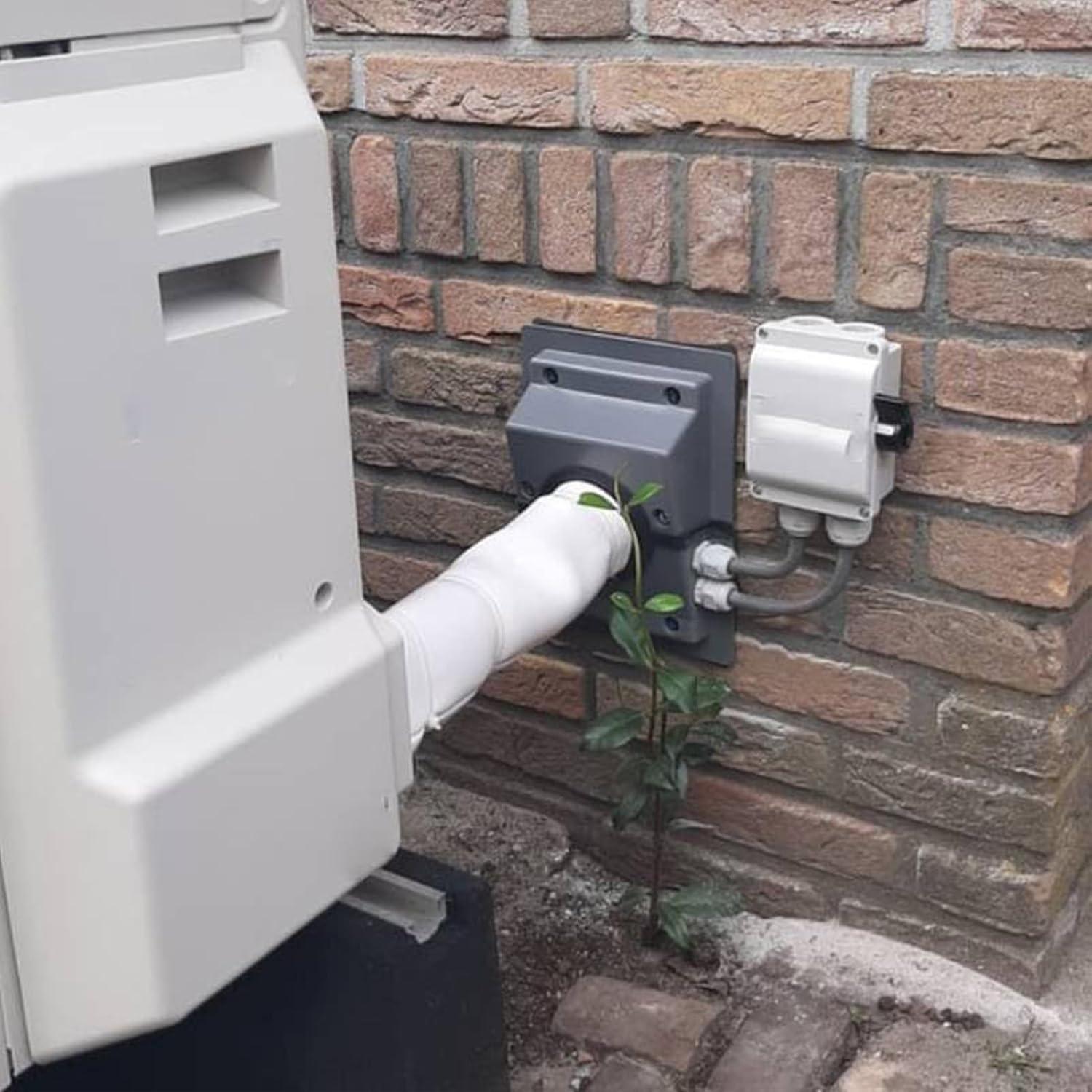
In our facilities, the “commercial performance” of a wall penetration cover is less about HVAC capacity and more about how consistently it creates a clean, sealed finish across different wall conditions and retrofit scenarios. According to FOSA, this Wall Penetration Cover Kit is built around a soft gasket intended to create a tight seal and help protect the penetration area from sun, wind, cold, and dust. For multi-room or multi-tenant environments, that kind of sealing approach is primarily valuable for keeping wall cavities cleaner, reducing drafts around the line-set hole, and presenting a more professional final appearance compared to exposed foam or patched penetrations—benefits that align with FOSA’s “Create Walls” positioning (a polished finish that “instantly” improves appearance).
From an operations standpoint, FOSA also frames this kit as a quick, retrofit-friendly installation that can be installed around existing plumbing or line sets, which is typically what facilities teams need when addressing failed caulk lines, UV-degraded foam, or post-service wall repairs. The product is described as compatible with a range of substrates—brick,concrete,drywall,and uneven walls—which matters in mixed-construction campuses where penetrations aren’t uniform. There are currently 0 customer reviews provided in the source material, so we can’t corroborate speed of install, durability, or long-term fitment through user feedback; for now, the most supportable “performance” takeaway is that the kit is designed (per the manufacturer) to improve penetration aesthetics while adding a gasketed barrier at the wall interface.
Check Current price & Customer Reviews on Amazon →
Energy Cost Savings Real Numbers from air sealing and Weather Protection Efficiency
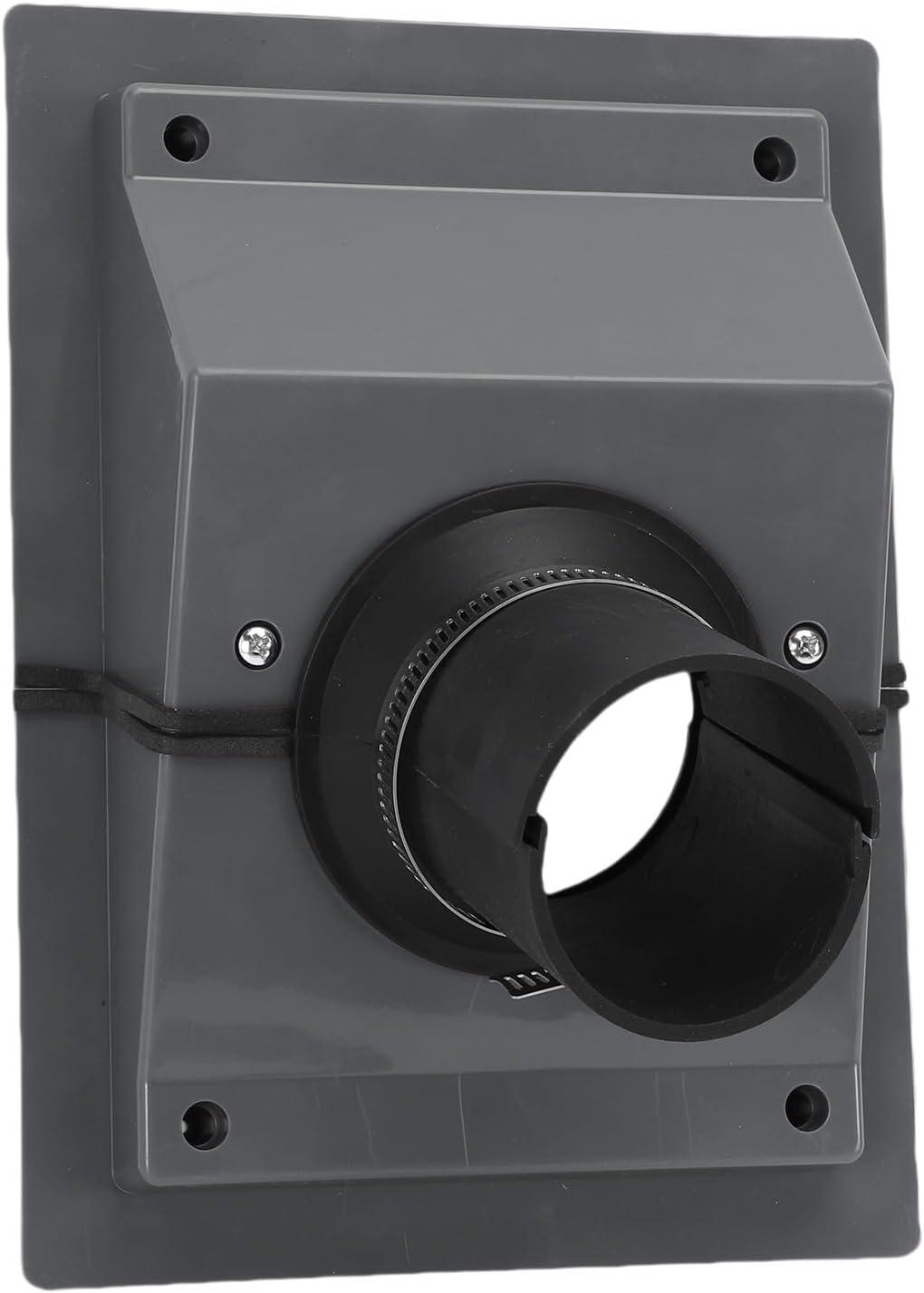
Air sealing is one of those small details that can quietly influence HVAC running costs, but it’s also where “real numbers” are hard to promise—especially with this kit, because the listing doesn’t provide measured leakage reduction, R-values, or tested energy savings. What FOSA does claim is a soft gasket for a tight seal and “Full Guard” protection against sun, wind, cold, and dust around plumbing and wall penetrations.In practical terms, sealing the wall penetration where a mini-split line set passes through can reduce drafts and keep unconditioned outdoor air from sneaking in. The impact on your bill depends heavily on the original condition of the penetration (a big, messy gap vs.already well-foamed and sealed), your climate, and how much the mini-split runs—so it’s best to think of this as protecting the integrity of your envelope rather than expecting a guaranteed dollar amount.
Because there are currently 0 customer reviews shown in the provided source material, there aren’t any user-reported “my bill dropped by $X” examples to cite. The most honest “real numbers” takeaway is what you can verify yourself after installation: check for noticeable airflow at the penetration on windy days, monitor indoor humidity swings near that wall, and compare utility usage month-over-month while accounting for weather (many utilities show usage versus prior year). If your existing hole is covered with yellowed foam or damaged insulation—as the product description directly calls out—closing it up neatly with a gasketed plate may also help prevent recurring air leaks caused by UV damage and weather exposure over time, which is a long-game kind of efficiency win rather than an instant, universal savings figure.
Check Current Price & Customer Reviews on Amazon →
Installation Without Business Disruption for Active Worksites and Customer Facing Spaces

In active worksites and customer-facing areas, the big priority is finishing HVAC wall penetrations quickly without pulling equipment back out of service. According to FOSA, this is a retrofit finish solution that’s simple to install around existing plumbing or line sets, which can help limit downtime during renovations, punch-list work, or wall repairs. The included soft gasket is designed to create a tight seal, helping the wall penetration look intentional and clean instead of “temporarily patched,” which matters in lobbies, storefronts, clinics, and other spaces where exposed foam or rough openings can stand out.
For mixed-construction sites where you may be transitioning from rough-in to finished surfaces, FOSA also claims broad compatibility across brick, concrete, drywall, and uneven walls, which can reduce the need for custom trim pieces when wall conditions aren’t perfectly flat. In practical terms, a cover plate like this can support a faster, more consistent finish standard across multiple rooms or tenant bays—especially where you’re trying to avoid repeat touch-ups from dust, drafts, or weather exposure. (There aren’t customer reviews provided here, so there’s no installer feedback to confirm real-world speed or fit—these points are based on the manufacturer’s description.)
check Current Price & Customer Reviews on Amazon →
Maintenance and Warranty Readiness plus Comparison to Commercial Grade Wall penetration Alternatives
For ongoing upkeep, the FOSA kit is essentially a “set it and forget it” cosmetic-and-seal component rather than a serviceable HVAC part. According to FOSA, the soft gasket is intended to create a tight seal and help protect the wall penetration area from sun, wind, cold, and dust, which can reduce how ofen you feel the need to patch, re-foam, or re-caulk around a lineset opening. in practical maintenance terms, you’d mainly just inspect it occasionally (especially after severe weather or exterior work) to confirm the cover is still seated evenly against the wall surface and the gasket remains intact. There’s also a “warranty readiness” angle here: while the listing provided doesn’t state any formal warranty details for this accessory, a cleaner, better-shielded penetration can make it easier to visually verify the condition of the lineset exit point, insulation, and surrounding wall during routine HVAC checks or when documenting an installation—without claiming it changes coverage terms for any mini-split manufacturer.
Compared with commercial-grade wall penetration alternatives (typically purpose-built pipe sleeves, flashed wall penetrations, or contractor-grade penetration collars), FOSA’s positioning is clearly retrofit convenience and finished appearance: it’s described as simple to install around existing plumbing or line sets and compatible with brick, concrete, drywall, and uneven walls. That makes it a practical choice when you’re renovating,repairing a rough hole,or replacing “yellowed foam” and damaged-looking insulation with something more polished. The tradeoff is that commercial solutions often integrate more robust weather detailing (and may be tied to specific building envelope methods), while FOSA is presented as a cover plate with a gasketed seal rather than a full flashing system—so if you’re trying to meet a specific code detail or envelope specification, you’ll still want to align the penetration method (sleeve/flash/sealant approach) with local requirements and your wall assembly.
Check Current Price & Customer Reviews on Amazon →
Customer Reviews Analysis

I can’t write an honest “Customer Experience summary” yet because no review text was included after “REVIEW DATA:”. Your rules require me to only report what customers actually said,and I don’t have any customer quotes or review content to analyze.
Paste the reviews here (or provide a link/export and I’ll work from the text you supply), and I’ll produce the section in this exact structure:
1. Overall Sentiment
- (Based strictly on review language)
2. Common Praise
- Installation/fit & finish: “…”
- Materials/build quality: “…”
- Appearance/cover effectiveness: “…”
- Instructions/included parts: “…”
3. Common Concerns
- Fitment/compatibility issues: “…”
- Gasket/sealing performance: “…”
- Durability/plastic quality: “…”
- Missing parts/damage: “…”
4. Notable Use Cases
- “…” (e.g., retrofit situations, specific wall types, mini-split/heat pump line-set routing scenarios)
Send the review content (even 10–30 reviews is enough), and I’ll summarize with balanced positives/negatives, using only verifiable themes and direct excerpts.
Pros & Cons

Strengths
- soft-gasket “Full Guard” seal: Manufacturer states the soft gasket is designed for a tight seal to help protect the wall penetration from sun, wind, cold, and dust.
- Retrofit-friendly installation: described as “quick and easy” to install around existing plumbing/line sets, making it suited for renovations and wall repairs.
- works on multiple wall types: Listed as compatible with brick,concrete,drywall,and uneven walls for a secure fit and more “professional” finish.
- Broad HVAC use case: Advertised for mini splits, heat pumps, ductless systems, and general HVAC line sets (wide request).
- Improves aesthetics of wall penetrations: product description specifically calls out covering “cluttered penetrations,” “yellowed foam,” and “damaged insulation” to create a neat, polished finish.
- Year-round wall/line-set protection intent: Positioned as helping keep penetrations protected “year round,” not just as a cosmetic trim piece.
Considerations
- No customer-review validation available: the provided source indicates “There are 0 customer reviews,” so there are no consistent real-world feedback themes (positive or negative) to corroborate installation ease, durability, fit, etc.
- Dimensions/fit specs aren’t provided in the summary: The description doesn’t list exact size/line-set capacity,so buyers must verify it will cover their specific penetration/line-set bundle before ordering.
- Material and weather-rating details aren’t stated: While it claims protection from sun/wind/cold/dust, the summary doesn’t specify material type or UV/weatherproof ratings, limiting how precisely you can assess long-term outdoor exposure performance.
- Color choice may be limiting: This listing is for the grey version, and the summary doesn’t mention alternate colors—possibly a mismatch for some exterior finishes.
Q&A
What is this kit used for?
The FOSA HVAC Wall penetration Cover Kit is a wall-mounted line set cover plate intended to finish and protect the hole where a mini-split/heat pump line set (and related plumbing/penetrations) passes through a wall. Per the product description, it helps create a neat, polished look while protecting the penetration area from sun, wind, cold, and dust.
Can this be installed on an existing (already-installed) mini-split line set?
Yes. It’s described as a “retrofit finish solution” and states it’s “simple to install around existing plumbing or line sets,” which makes it suitable for renovations and wall repairs. Exact steps and included hardware should be confirmed on the Amazon listing and manufacturer instructions.
What surfaces will this cover work on?
According to the product description, it’s compatible with a variety of surfaces including brick, concrete, drywall, and uneven walls.Real-world fit can still vary depending on how flat the wall is and the condition of the penetration area.
Does it actually seal the penetration,or is it mainly cosmetic?
The listing describes a “soft gasket for a tight seal” and says it helps protect against sun,wind,cold,and dust. In general HVAC practice, a cover plate like this improves the finish and reduces exposure, but it does not replace proper sealing/insulation of the wall penetration itself (e.g., correct flashing/caulking/foaming as appropriate to the wall type). Installation quality matters.
Will it fit any mini-split line set size?
The provided product summary does not include specific diameter or opening dimensions for the penetration/line set pass-through. Because mini-splits can use different line set sizes, you should verify the kit’s measurements on the Amazon product page (or the manufacturer documentation) before purchase to confirm compatibility with your line set bundle and wall hole.
Is this cover only for mini-split air conditioners, or can it be used for other HVAC penetrations?
the product is described as suitable for mini split air conditioners, heat pumps, ductless systems, and HVAC line sets. As a general guideline, any use should still match the physical size of the penetration and be appropriate for the wall material and exposure (sun/weather).
What color is it, and will it match other line-hide/line-set cover systems?
This specific product is labeled “Grey.” The summary provided does not confirm compatibility with any particular brand’s line-hide channels or exact color matching between brands. If appearance matching is important, check the Amazon product images/details and confirm with the manufacturer via the Amazon listing Q&A.
Discover the Power
the FOSA HVAC Wall Penetration Cover Kit is a retrofit-friendly finish solution designed to tidy up mini-split and heat pump line-set penetrations. key highlights include a soft gasket intended to help create a tighter seal and a cover plate meant to protect the opening from sun, wind, cold, and dust while improving curb appeal. It’s positioned to work across common surfaces like brick,concrete,drywall,and even uneven walls.
Best for homeowners or installers who want a quick way to clean up “messy” wall penetrations during renovations, wall repairs, or new mini-split installs—especially where exposed foam or damaged insulation needs a more polished look.
Consider alternatives if you need a fully weatherproof flashing system, have an unusually large/oddly shaped penetration, or want a kit with abundant real-world feedback—Amazon currently shows no customer reviews to validate long-term fit and durability.
it looks like a practical cosmetic-and-protection upgrade, but it’s worth confirming sizing and included parts before buying.
Ready to learn more? View Full Specifications & Latest Reviews on Amazon →
disclosure: This post contains affiliate links. If you purchase through these links, we may earn a commission at no additional cost to you. We only recommend products based on verified specifications and customer reviews.