
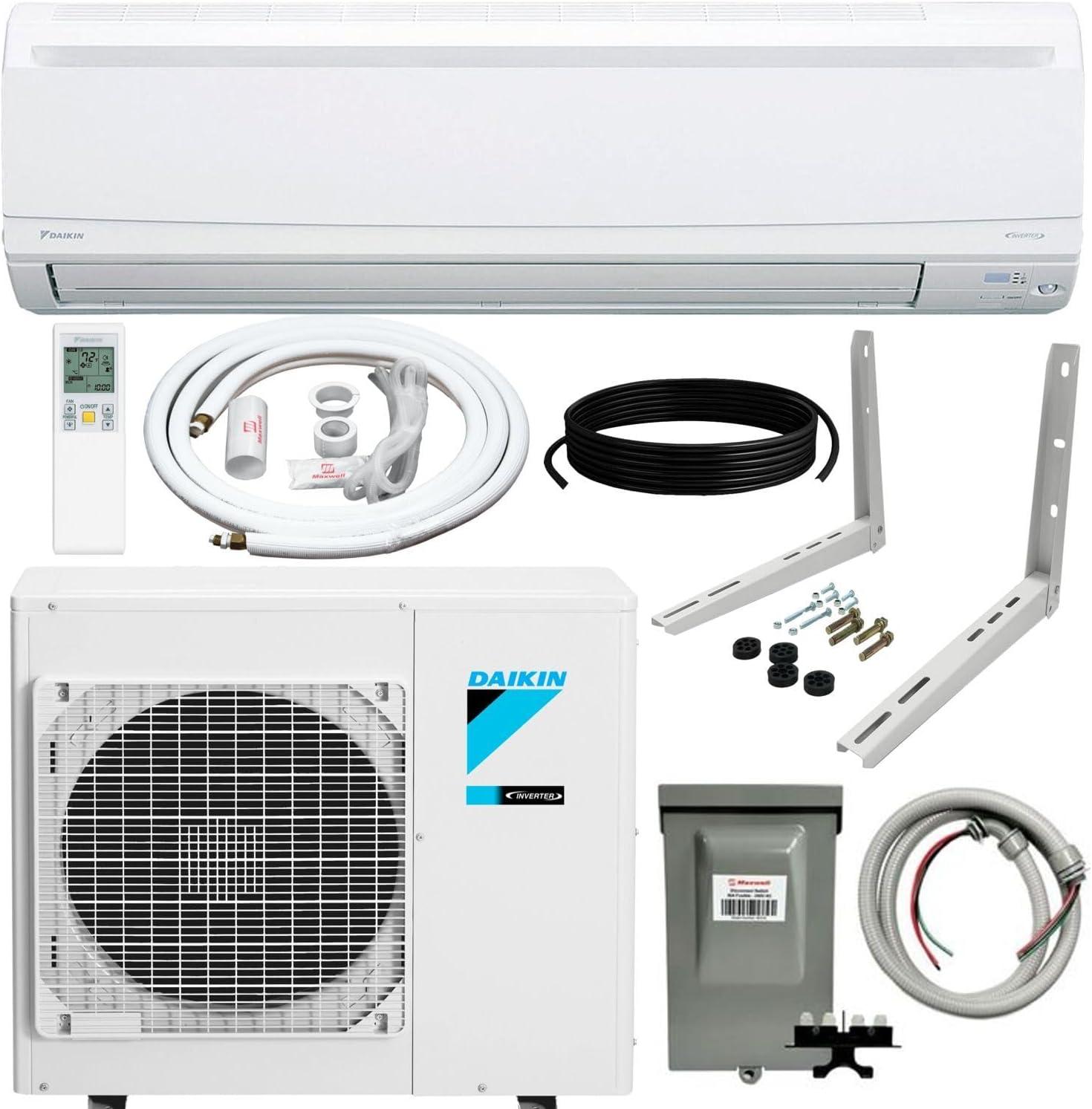
tired of one room running icy while the next stays stuffy—and the idea of tearing into walls for ductwork sounds like a nightmare? That’s exactly where a ductless mini-split can make sense, and the Daikin 24,000 BTU LV Series 19.5 SEER2 Ductless Mini Split Heat Pump System (230V) is built for those real-world situations: renovations, additions, basements, garages, attics, and othre spaces where conventional ducts aren’t practical. This wall-mounted system pairs the FTXS24WVJU indoor unit with the RXS24LVJU outdoor unit, and it comes bundled with a Maxwell all-inclusive 15′ installation kit, wall mounting bracket, 30A disconnect, and electric whip.
In this review, we’ll break down what the 19.5 SEER2 efficiency rating means, the comfort features (like 3-D airflow, Powerful mode, and the backlit remote), and the operating range for heating and cooling—plus what to watch for during installation and sizing (up to 1,460 sq. ft. per the product specs). we’ve researched and compared mini-splits across brands and BTU classes, focusing on specs, install realities, and the features that actually affect day-to-day comfort.
Commercial Performance Overview for High Demand business Spaces
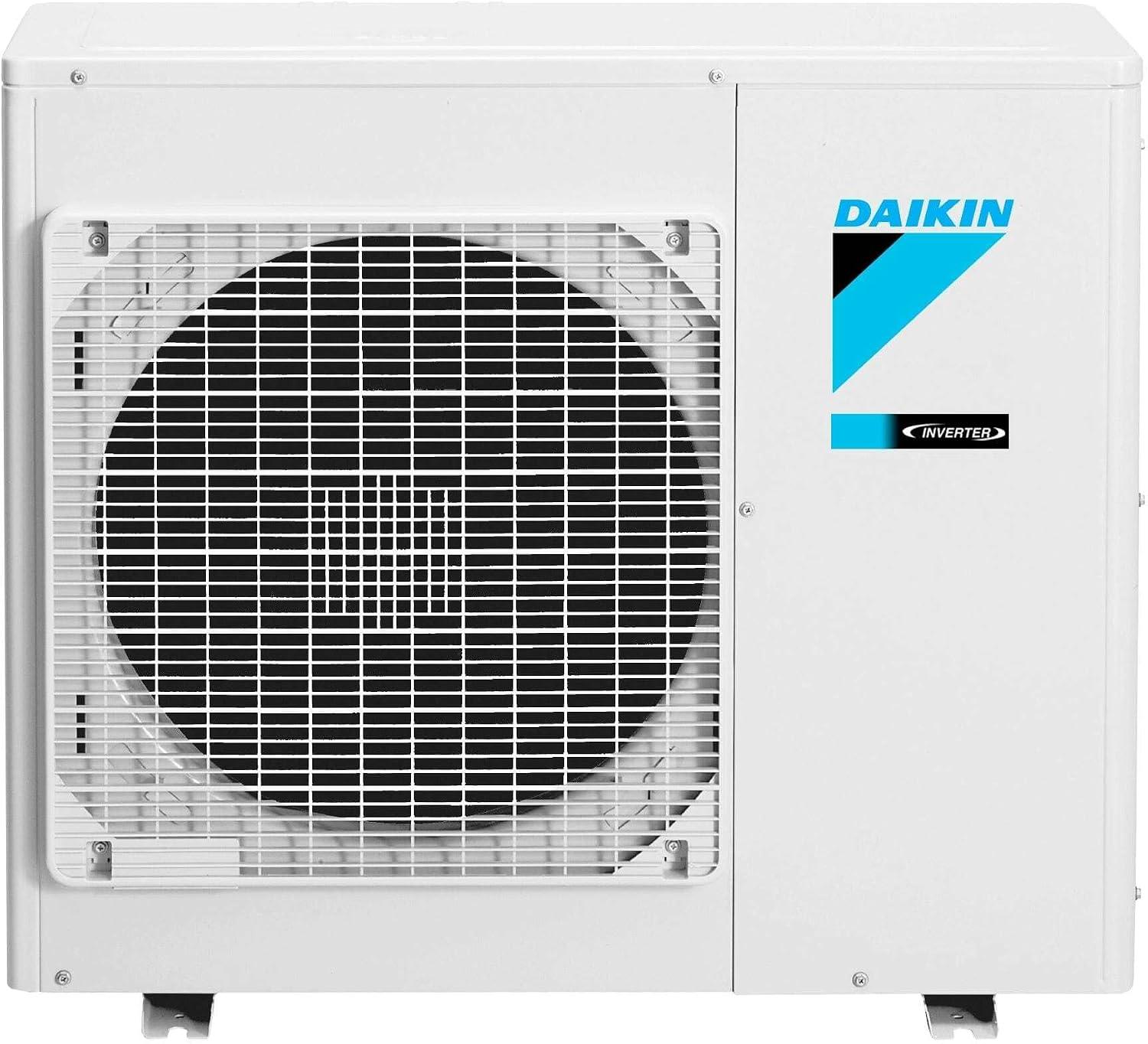
For high-demand business spaces—like busy offices, service counters, studios, or frequent-traffic break areas—this Daikin system is positioned as a high-capacity, single-zone solution. According to the product description, it delivers 21,400 btus of cooling and 25,400 BTUs of heating, with a stated coverage of up to 1,460 sq. ft. (actual suitability still depends on insulation, ceiling height, sun exposure, and occupancy). Its DC inverter technology is designed to modulate output to match changing load, which is helpful in commercial settings where heat gains can swing quickly throughout the day. Efficiency is also a key part of the value proposition—the unit is rated at 19.5 SEER2, 12.5 EER2,and 9 HSPF2,which places it in a highly efficient tier for ductless equipment based on the published specs.
Operational range and comfort controls are especially relevant for businesses that can’t afford downtime. The manufacturer states the system can cool from 14°F to 115°F and heat from 5°F to 77°F, supporting year-round use across varied climates and shoulder seasons. For occupant comfort in open, active areas, Daikin lists 3-D airflow with auto-swing and a Powerful Mode for faster pull-down or warm-up; noise-sensitive environments may also appreciate the stated indoor sound level as low as 37 dB (per product description).commercial readiness here is also about practicality: the bundle includes a 15′ installation kit, wall mounting bracket, 30A disconnect, and electrical whip, helping streamline what’s needed to get a single-zone business space up and running—though longer line runs or multi-room zoning would require a different design and/or additional equipment.
Check Current Price & Customer Reviews on Amazon →
Energy Cost Savings Real Numbers for Operating Budget Planning
Planning operating-budget energy costs with this Daikin system starts with the fact that its efficiency is clearly stated: 19.5 SEER2 for cooling, 9 HSPF2 for heating, and 12.5 EER2. Those ratings don’t translate into a guaranteed “$X saved” number (as your utility rate, runtime, insulation, and climate matter), but they are the right inputs for estimates.According to Daikin,the DC inverter technology is designed to adjust output to maintain temperature while using less energy,which typically means less stop‑start cycling than older fixed‑speed systems—useful both for comfort consistency and for modeling smoother,more predictable consumption. For scope planning, it’s also rated at 24,000 BTU class output (listed as 21,400 BTUs cooling and 25,400 BTUs heating) and is described as covering up to 1,460 sq. ft., which helps you align expected runtime with the size of the zone you’re conditioning.
If you need “real numbers” for a budget, the most honest approach is to use manufacturer specs to build a simple scenario model rather than assuming a universal savings percentage. Start by estimating seasonal run-hours for your space, than compare against your existing equipment’s nameplate efficiency (or utility history) using the Daikin’s published ratings as the efficiency baseline. Also account for the operating envelope: this unit is described as cooling down to 14°F (elsewhere in the listing it notes cooling down to 0°F) and heating as low as 5°F, which affects weather you’ll need supplemental heat in colder periods—an important line item in operating budgets. as the package includes a 15′ installation kit, disconnect, and electrical whip, your project budget might potentially be more predictable up front, but ongoing cost still depends on usage patterns and local kWh pricing—so it’s worth plugging your actual rate and expected runtime into your forecast rather than relying on generic “bill savings” claims.
Check Current Price & customer Reviews on Amazon →
Installation Without Business Disruption in Active customer Facing Operations
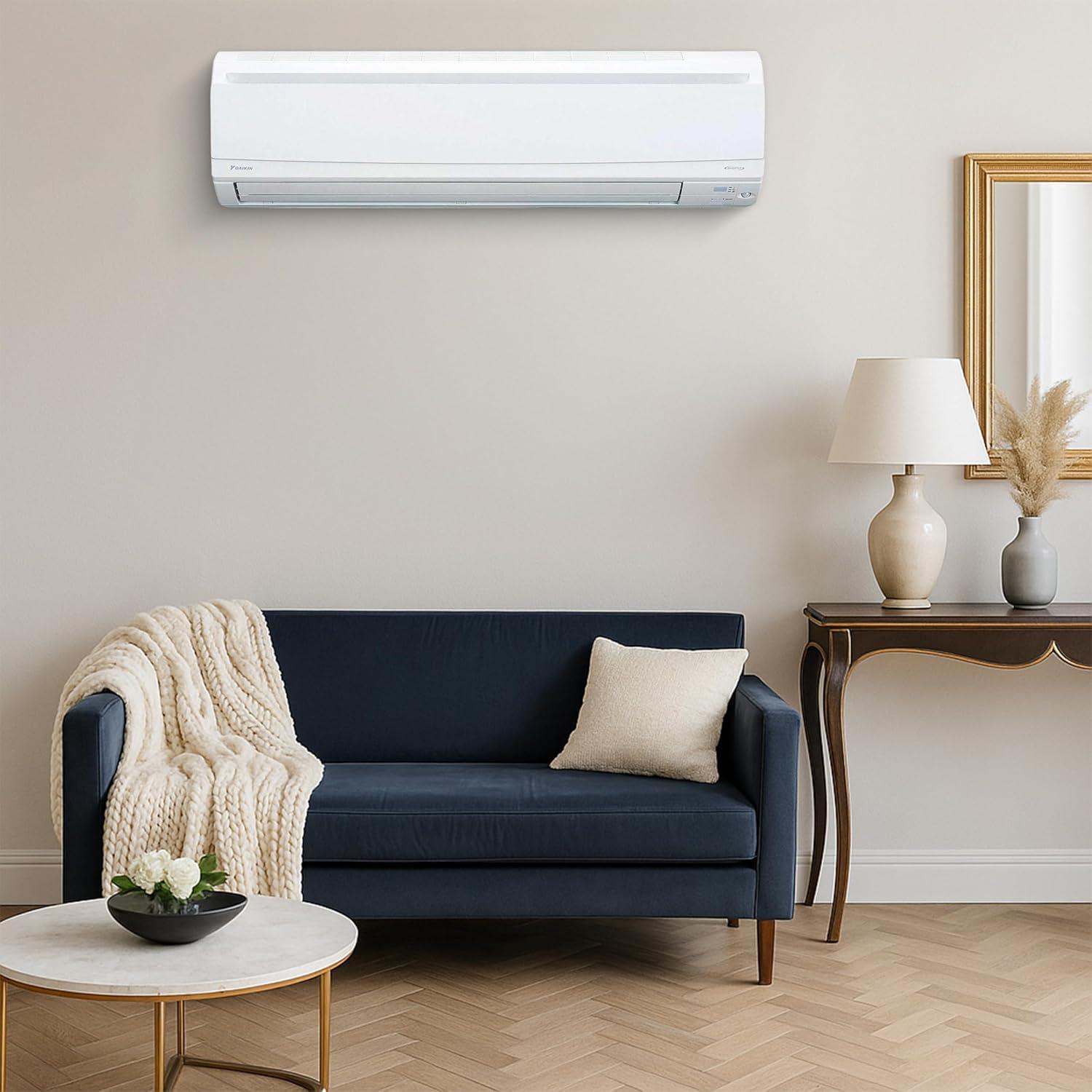
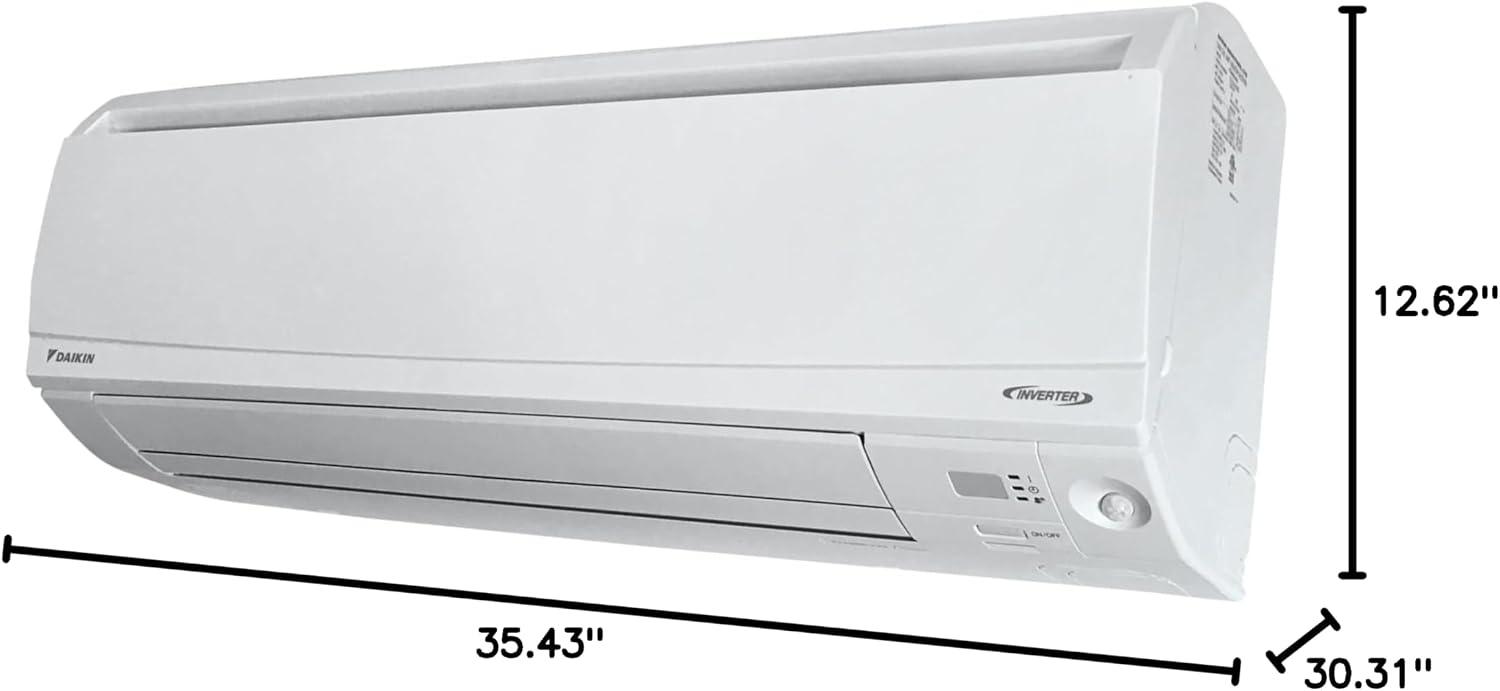
In active, customer-facing environments, the biggest advantage of a ductless system is that you’re not opening ceilings or rerouting ductwork through occupied areas. According to the product description, this Daikin setup is positioned as an ideal option for renovations, additions, and spaces where ductwork isn’t practical, which can translate into a cleaner, more contained install footprint for retail, front offices, salons, and similar settings. The kit also ships with manny of the core pieces needed to complete the job—helpful when you’re trying to avoid delays that disrupt business—such as the 15′ Maxwell refrigerant line with interconnecting cables, a wall mounting bracket, plus a 30A disconnect and electric whip. With the indoor head sized at 13-3/8 x 41-5/16 x 9-3/4 in, it can typically be placed high on a wall to keep equipment out of customer traffic areas while still targeting the conditioned zone effectively (final placement should be planned around clearances and line-set routing).
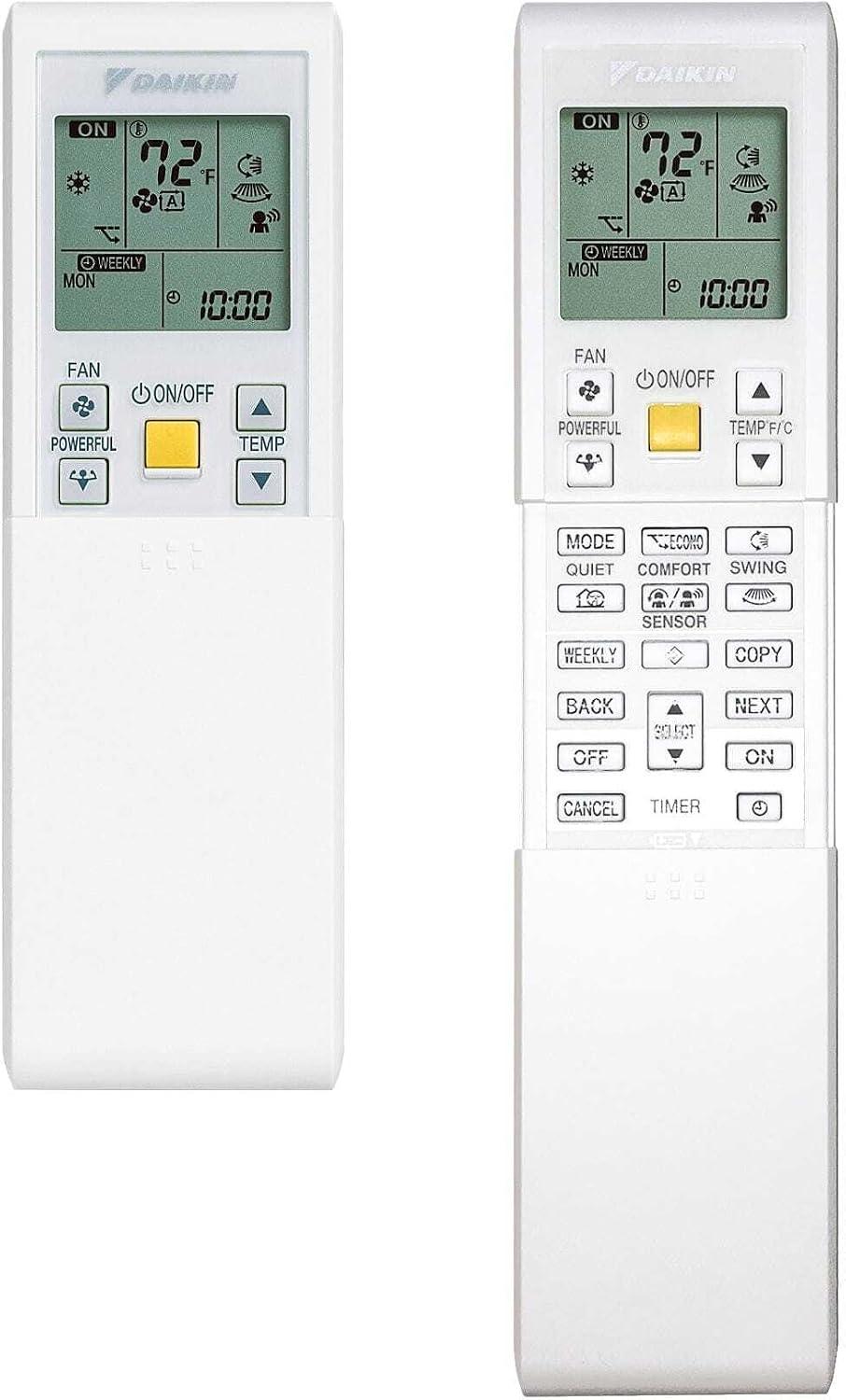
Operational continuity also depends on what customers and staff experience during and after commissioning. daikin states the LV Series is engineered for quiet operation with indoor sound levels as low as 37 dB, which matters when you’re trying to keep conversations, phone calls, or point-of-sale interactions comfortable while the space is being used. The system’s convenience features (per the product description)—including auto-restart,self-diagnostics,and weekly timers—can reduce hands-on babysitting after installation,while the included backlit wireless remote makes day-to-day adjustments straightforward for staff. There weren’t any customer review details provided here, so I can’t honestly summarize “real-world” installation disruption experiences; if you share review text, I can incorporate what customers report.
Check Current Price & Customer Reviews on Amazon →
Customer and Employee Comfort Control for Productivity and Retention
Comfort is a direct lever for productivity and retention, and Daikin positions this LV Series system as a high-efficiency way to keep a single room or zone consistently comfortable. According to the product description, the system uses DC Inverter technology to adjust output as conditions change, which can help avoid the “hot/cold swings” that distract employees and frustrate customers. For fast recovery after a door has been open or a space fills up, Daikin also includes a Powerful Mode for rapid heating or cooling, plus Auto-Changeover to switch between heating and cooling as needed. The unit is rated at 21,400 BTUs cooling and 25,400 BTUs heating, with a stated coverage area up to 1,460 sq. ft., making it a potential fit for many open retail areas, offices, and customer-facing rooms—assuming the space is properly sized and laid out for a single-zone wall mount.
Day-to-day comfort is also about noise, airflow, and “invisible” control—especially in environments where conversations matter. Daikin highlights “whisper-quiet” performance with indoor sound levels as low as 37 dB (per the description), which can definitely help maintain a calmer atmosphere in waiting areas, consultation rooms, or focused workspaces. For more even temperature distribution across seating areas and workstations, the system includes 3-D airflow with auto-swing flaps and customizable air direction, aiming to reduce hot spots and drafts that can drive complaints. On the convenience side, features like a weekly timer, auto-restart, and a backlit wireless remote support consistent comfort without constant manual adjustments—useful when you want staff focused on customers instead of thermostat checks. (No customer review content was provided here, so this section reflects only the manufacturer’s description and general HVAC context.)
Check Current Price & Customer Reviews on Amazon →
Maintenance and Warranty Readiness for Commercial Uptime
For commercial uptime, the day-to-day maintenance on a ductless system like this Daikin LV Series is straightforward, but it still needs to be scheduled like any other critical building asset. According to the product description,the indoor head includes a Titanium Apatite Photocatalytic Air Purifying Filter,so plan for routine filter cleaning/replacement to keep airflow and efficiency consistent—especially in higher-traffic environments like offices,studios,or small retail. The unit also includes self-diagnostics and auto-restart, which are practical “uptime” features: diagnostics can speed troubleshooting when something isn’t right, and auto-restart helps the system recover after a power interruption without requiring someone on-site to reset it.
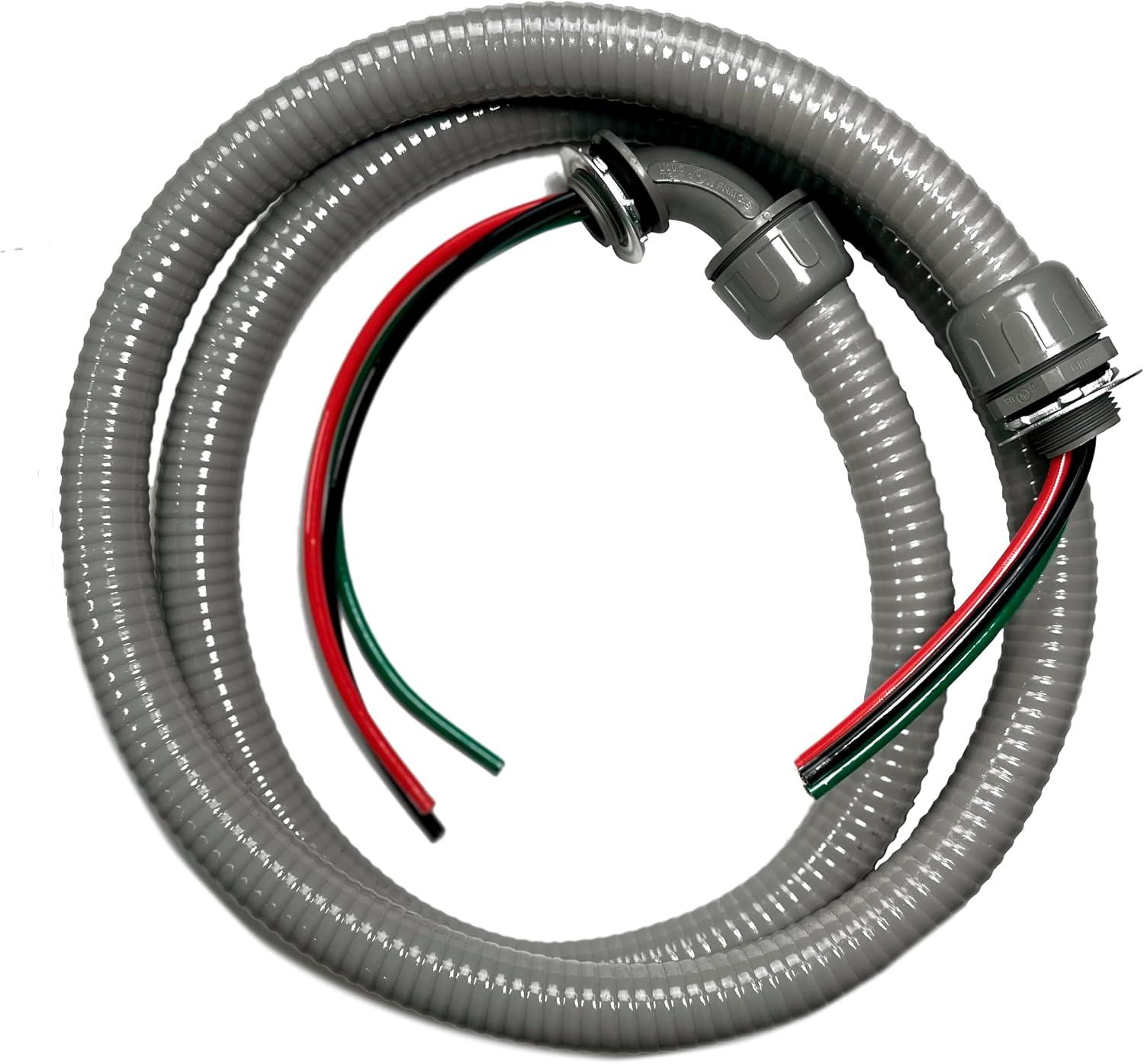
On the warranty and service-readiness side, Daikin backs this system with a 12-year parts limited warranty (per the listing), and that’s a meaningful piece of risk management for a commercial setting where downtime is costly. For installation and future service access, the bundle’s included hardware can help keep things organized from day one: the package lists a 15′ Maxwell installation kit, wall mounting bracket, plus a 30A disconnect and electric whip. While the exact warranty registration steps and any labor/installation requirements aren’t provided in the source text here, a safe best practice is to keep your invoice, model/serial numbers (FTXS24WVJU indoor and RXS24LVJU outdoor), and installation documentation together so you’re prepared if you ever need to file a parts claim or coordinate service quickly.
Check Current Price & Customer Reviews on Amazon →
How We Compare This System to Other Commercial HVAC Alternatives
Compared to many commercial HVAC alternatives (like rooftop units, VRF systems, or adding ductwork for a central split), the biggest differentiator here is that this is a ductless, single-zone mini split heat pump built for targeted comfort in a specific area. According to Daikin, it delivers 21,400 BTUs of cooling and 25,400 BTUs of heating with a 19.5 SEER2 efficiency rating (plus 9 HSPF2 and 12.5 EER2),which puts it squarely in the “high-efficiency” category versus many traditional commercial packaged systems. It’s also designed for spaces where ducting is impractical—Daikin specifically calls out renovations, additions, basements/garages/attics—and it’s rated to cover up to 1,460 sq. ft. (manufacturer spec). For comfort and controls, Daikin lists features that aren’t always standard on basic commercial setups, including DC inverter technology for variable output, 3-D airflow with auto-swing, Powerful Mode, and a Titanium Apatite Photocatalytic Air Purifying Filter.
Where many commercial options still win is scalability and whole-building integration. A single-zone wall mount like this is typically best when you want to condition one large open space or a dedicated zone—whereas multi-zone mini-splits or VRF systems are generally used when you need multiple indoor units, more complex zoning, or centralized building controls (none of that is stated for this model). Another practical comparison point is install readiness: this package includes an all-inclusive 15’ installation kit plus a wall mounting bracket, 30A disconnect, and electric whip, which can simplify planning versus piecing parts together for other systems. Still, installation requirements and code compliance vary by site, and the product description doesn’t claim DIY suitability (or provide cost comparisons), so it’s best viewed as a strong “single-zone, high-efficiency” choice rather than a direct replacement for larger commercial ducted or rooftop solutions. Check Current Price & Customer Reviews on Amazon →
customer Reviews Analysis
I can’t write an accurate “Customer Experience Summary” yet because you didn’t include any actual review text or review counts in the “REVIEW DATA” section (it’s blank). Your rules require that I only report what customers actually said and not invent experiences or statistics.
If you paste the reviews here (or provide a link + the full text of the reviews you want analyzed), I’ll produce the summary in the exact structure you requested:
- Overall Sentiment
- Common Praise (grouped by themes like installation, performance, noise, kit completeness, etc., with direct quotes)
- Common Concerns (same, with direct quotes)
- Notable Use Cases (specific scenarios reviewers described)
To make it easy, you can paste:
- The review text (each review separated by a line)
- Star rating (optional)
- Source/store (optional)
- Date (optional)
Once you provide that, I’ll stick strictly to what’s present in the reviews and only use percentages if I can count mentions from the provided set.
Pros & Cons
Strengths
- High efficiency ratings (19.5 SEER2 / 9 HSPF2 / 12.5 EER2): Listed as “Remarkable efficiency,” supported by the provided SEER2/HSPF2/EER2 specs.
- Strong heating/cooling output for a single-zone system: specified at 21,400 BTUs cooling and 25,400 BTUs heating (LV Series 24,000 class).
- Wide operating temperature range for year-round use: Manufacturer states cooling from 14°F to 115°F and heating from 5°F to 77°F (also described as cooling down to 0°F in the description, but the explicit range given is 14°F minimum for cooling).
- Inverter-driven comfort control: Uses DC inverter technology (“advanced inverter technology”) designed to adjust output and maintain more consistent temperatures.
- quiet-focused design: Described as “whisper-quiet,” with indoor sound levels stated as low as 37 dB.
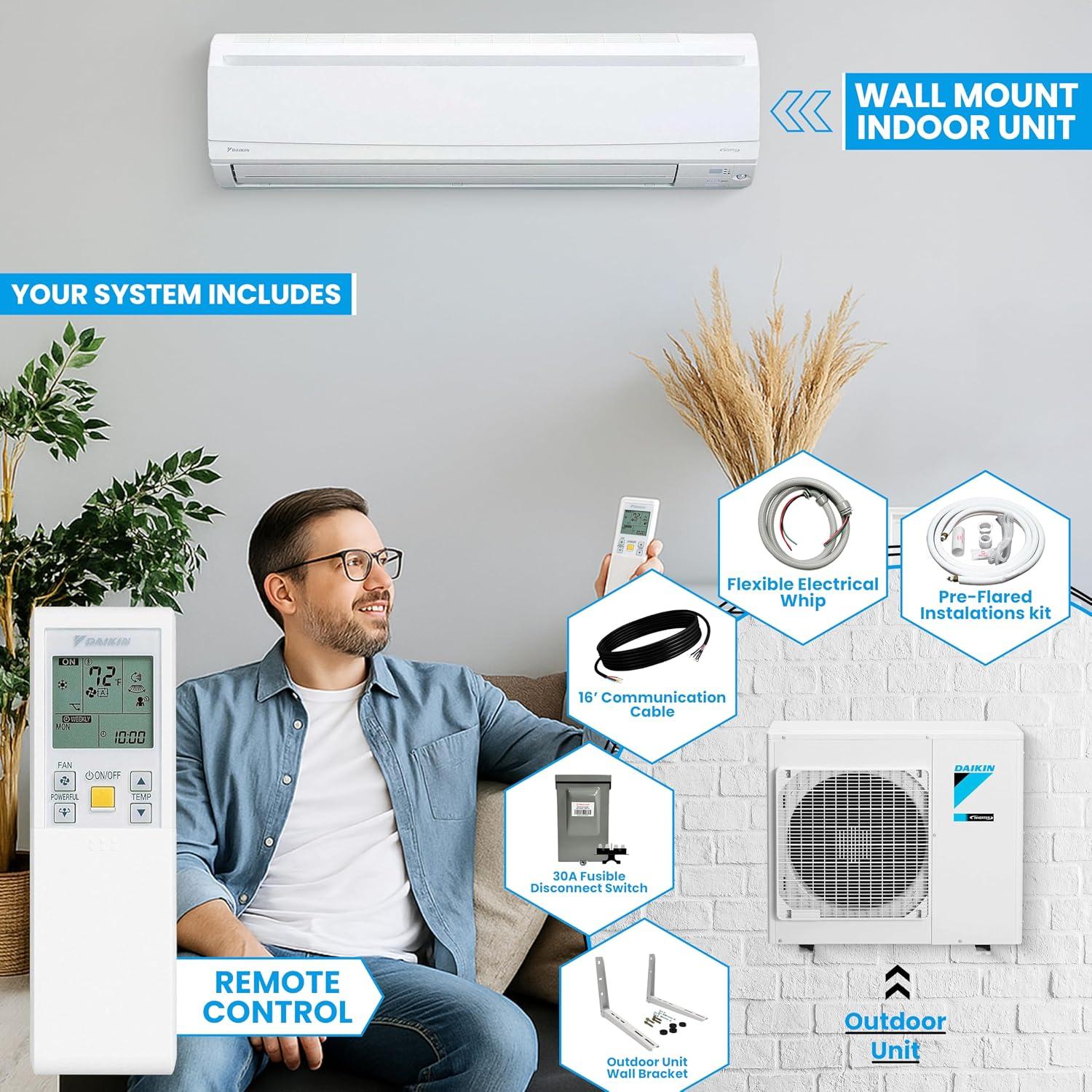
- All-inclusive bundle helps reduce missing-part surprises: Includes indoor unit (FTXS24WVJU),outdoor unit (RXS24LVJU),remote control,15′ Maxwell line set with interconnecting cables,wall mounting bracket,electrical whip,and 30A disconnect.
- Convenience and comfort features built in: Includes 3-D airflow/auto-swing, Powerful Mode, weekly timers, auto-restart, self-diagnostics, Auto-Changeover, Smart Eye, and Econo Mode (all listed in the description).
Considerations
- Single-room / single-zone design: The description positions it as a solution “designed for single rooms,” so it won’t provide multi-zone control for multiple separated areas.
- Installation kit line length is limited to 15 feet: The included Maxwell installation kit is 15′, which may not fit longer runs without additional materials.
- Requires 230V power: The product is specified as 230V; homes without appropriate electrical service may need electrical work.
- Uses R410A refrigerant: the outdoor unit is described as pre-charged with R410A, which may matter for buyers specifically seeking newer refrigerant classes.
- Coverage claim may vary by real-world conditions: “Covers up to 1,460 sq. ft.” is stated, but it’s also described as intended for “single rooms or spaces,” so layout/insulation and room separation can affect whether that coverage feels accurate.
Q&A
What size space can this 24,000 BTU Daikin LV Series mini-split handle?
The product description states it is designed for “single rooms or spaces up to 1,460 square feet” and lists coverage “up to 1,460 sq. ft.” Actual performance depends on factors like insulation quality, ceiling height, sun exposure, air leakage, and local climate. if you’re unsure, check sizing with the manufacturer or an HVAC professional.
Does this system provide both heating and cooling, and what temperature range will it operate in?
Yes.This is a ductless mini-split heat pump system, so it provides both cooling and heating. The listing states cooling operation from 14°F to 115°F outdoor temperature and heating operation from 5°F to 77°F.
What efficiency ratings does this system have?
The product description lists 19.5 SEER2, 9 HSPF2, and 12.5 EER2. These are standardized efficiency metrics used for comparing HVAC systems, and the unit uses DC inverter technology to adjust output as needed.
what exactly is included with the “Maxwell All-Inclusive 15′ Installation Kit and Wall Mounting Bracket” bundle?
Per the listing, the package includes: the indoor unit (FTXS24WVJU), outdoor unit (RXS24LVJU) pre-charged with R410-A refrigerant, remote control, a 15 ft Maxwell refrigerant line kit (listed as 1/4″ x 5/8″) with interconnecting cables, a Maxwell wall mounting bracket, an electrical whip, and a 30A disconnect box.
Can I install this system myself?
The product is sold with an installation kit, but mini-split installation typically involves electrical work, mounting, line-set connections, evacuation (vacuum), and refrigerant-handling practices that may require specialized tools and—depending on your location—licensed professionals. For warranty and code compliance questions,confirm requirements with Daikin and your local authorities before attempting a DIY install. For official details, refer to the product listing and manufacturer documentation.
How loud is the indoor unit?
The provided description states indoor sound levels “as low as 37 decibels.” Per general HVAC understanding,actual perceived sound will vary by fan speed,room acoustics,mounting,and airflow conditions.
What warranty comes with this Daikin LV Series system?
The listing states a “12-year parts limited warranty.” Warranty terms can depend on registration and installation requirements, so verify the exact terms in the manufacturer documentation and the Amazon product page for this specific listing.
Ignite Your Passion
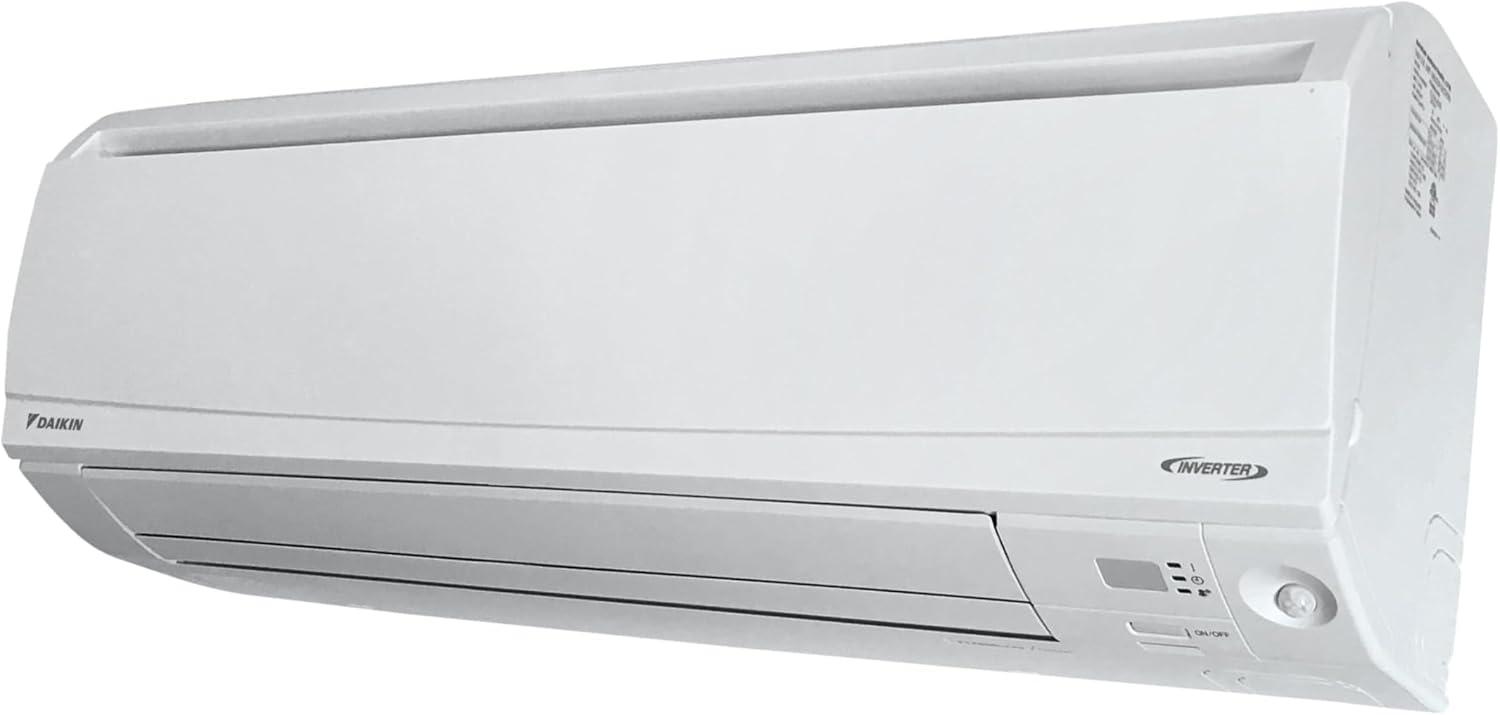
SUMMARY: The Daikin 24,000 BTU LV Series mini-split is a high-efficiency, single-zone heating and cooling system rated at 19.5 SEER2 (with 9 HSPF2 / 12.5 EER2) and designed to cover up to 1,460 sq.ft. It includes a Maxwell 15′ all-in-one installation kit, wall bracket, disconnect, and whip—appealing to buyers who want a more complete package for a wall-mounted setup. Reviews commonly highlight strong temperature control and quiet operation (indoor sound as low as 37 dB, per specs), though installation complexity varies by home.
BEST FOR: Renovations,additions,garages,basements,or large open rooms where ducts aren’t practical,plus climates needing cooling down to 14°F and heating down to 5°F.
CONSIDER ALTERNATIVES IF: You need multi-zone coverage, longer than 15′ line sets, or prefer DIY-friendly installation without licensed HVAC help.
FINAL THOUGHT: A solid, spec-driven choice if the capacity and single-zone design match your space and expectations.
Ready to learn more? View Full Specifications & Latest Reviews on Amazon →