
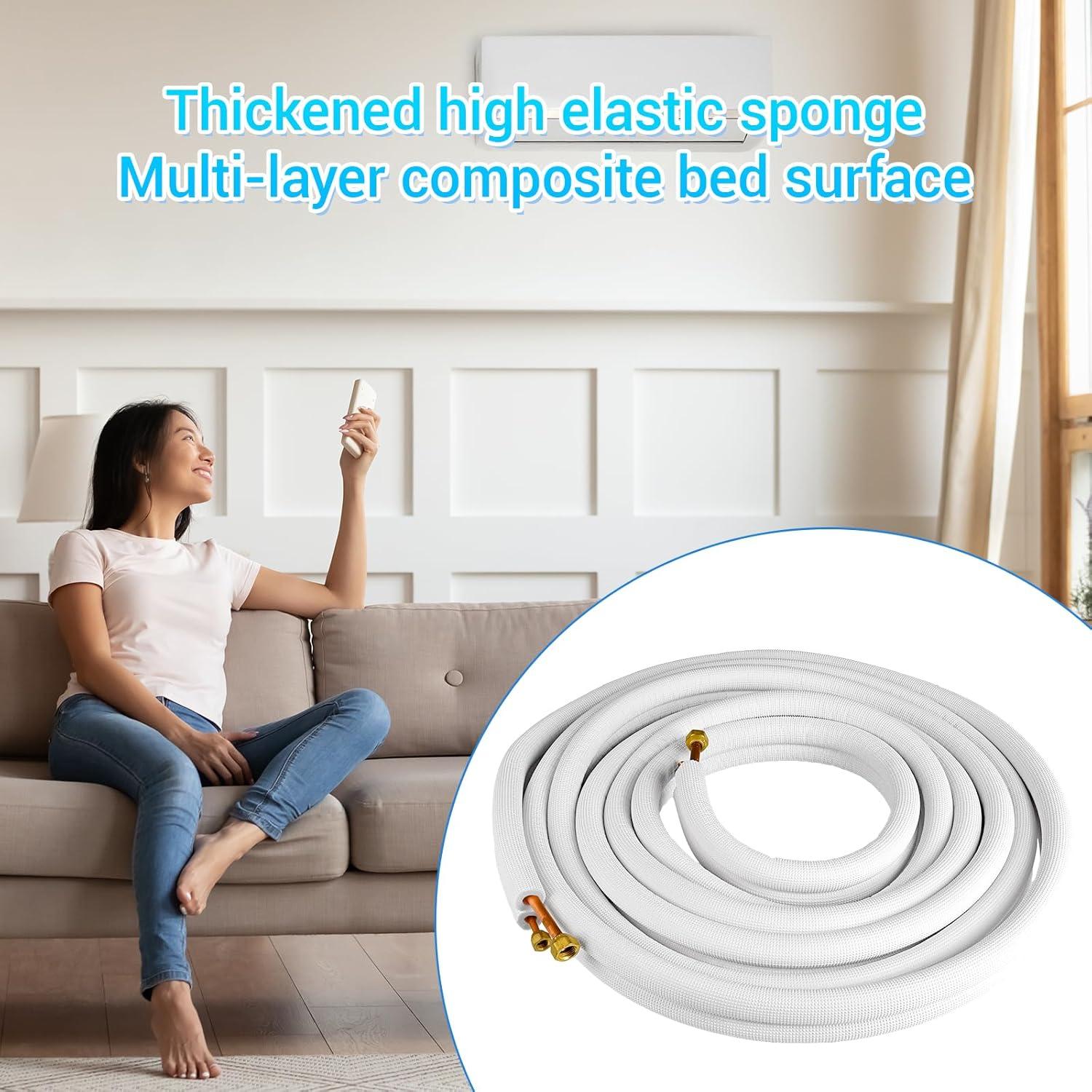
Ever get a mini-split ready to mount, only to realize the “easy part” is actually routing, insulating, adn sealing the refrigerant lines without kinks or leaks? That line set can make or break a clean installation—especially when you’re trying to avoid condensation, torn insulation, or mismatched fittings.
In this review, we’re looking at the TZKQ 25 ft Mini Split Line Set (3/8″ + 1/4″), a triple-layer insulated, pre-flared tubing kit made with 99.9% oxygen-free copper, designed for ductless AC and heat pump systems in homes, offices, and workshops. According to the manufacturer, the insulation combines closed-cell foam, reflective aluminum, and UV-resistant PVC, and each set is pre-flared with brass nuts and nitrogen/vacuum tested before packaging for “zero leaks.”
We’ll cover compatibility basics, installation-pleasant details (like flare quality and insulation durability), and how well the included accessories match real-world expectations. We’ve worked around mini-split installs and know the common failure points—so we’ll focus on what matters, while also reflecting customer themes like “on-point flares,” “all copper,” and “everything was there.”
Commercial performance Overview for Our Ductless AC and Heat Pump Operations
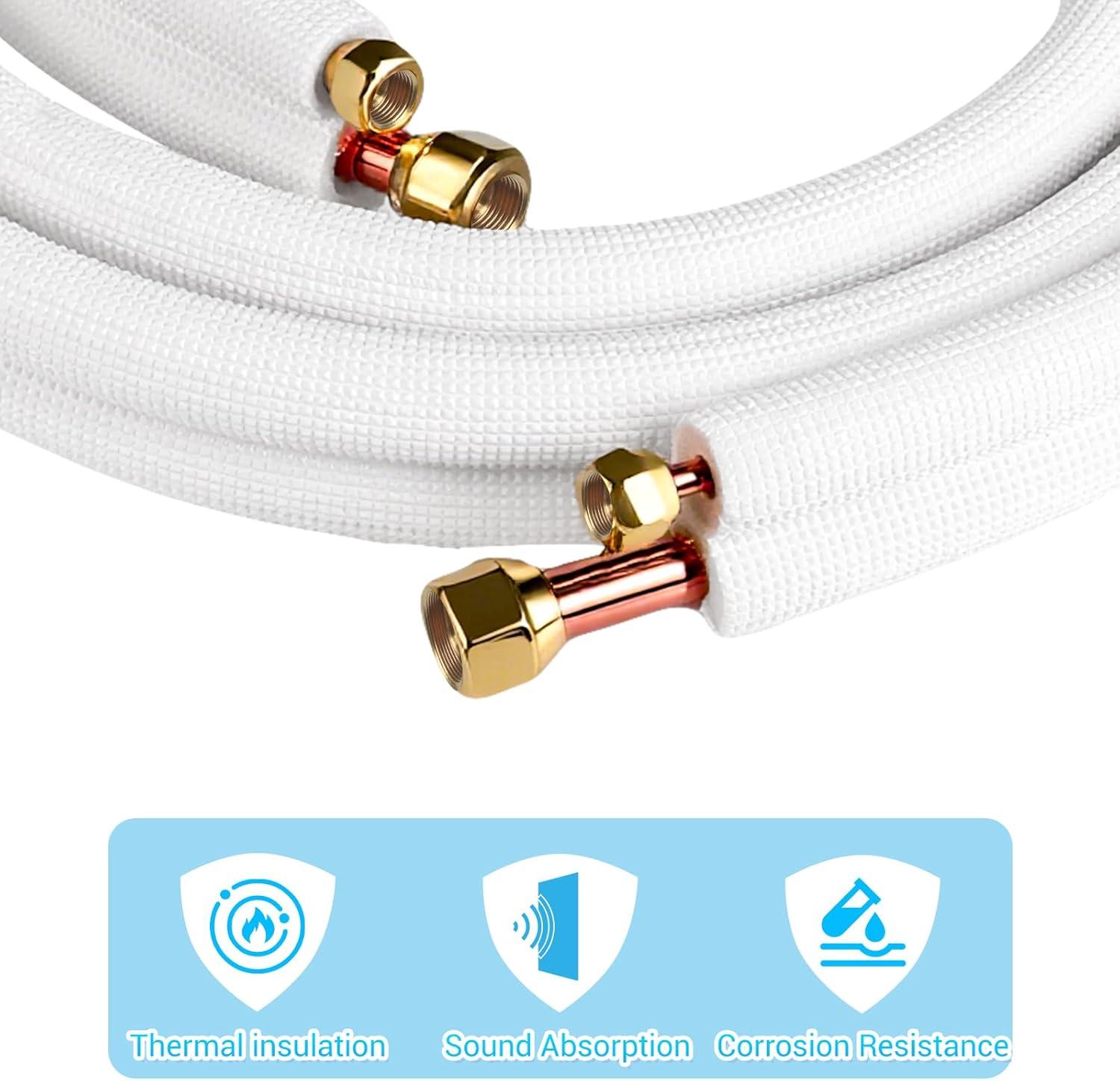
Our commercial results with this type of accessory are primarily driven by reducing installation friction and call-backs, and this line set aligns well with that goal based on what’s stated and what customers report. According to TZKQ, the kit is built around 99.9% oxygen-free copper, ships as a 25 ft set in the common 3/8″ + 1/4″ sizing, and comes factory pre-flared with heavy-duty brass nuts for a secure connection. TZKQ also claims each set undergoes high-pressure nitrogen and vacuum testing before packaging to help ensure zero leaks.in our ductless AC and heat pump operations, products positioned this way tend to perform best commercially when they help standardize installs, minimize rework, and satisfy both DIY and pro buyers who want predictable fitment across “most ductless air conditioners and heat pumps” (per the listing).
From the customer feedback available here, commercial momentum appears supported by consistently positive installation and material-quality themes.Multiple reviewers describe the flare quality as accurate (“the flare was on point”), call out that the tubing is “all copper” rather than cheaper alternatives, and note that “it came all the accessories” needed for a clean install. Others mention it “worked good,” “good quality,” and one buyer specifically replaced a poor-quality OEM set and recommended this as “well above.” While we can’t verify long-term failure rates or quantify energy savings, one reviewer reports that prior cheaper line sets leaked or deteriorated and that this one sealed “on the first try—no leaks, no hassle,” which is the kind of outcome that typically translates into stronger conversions and fewer post-sale issues for ductless projects. Check Current Price & Customer Reviews on Amazon →
Energy Cost Savings Real Numbers for Our Budget and Efficiency Targets
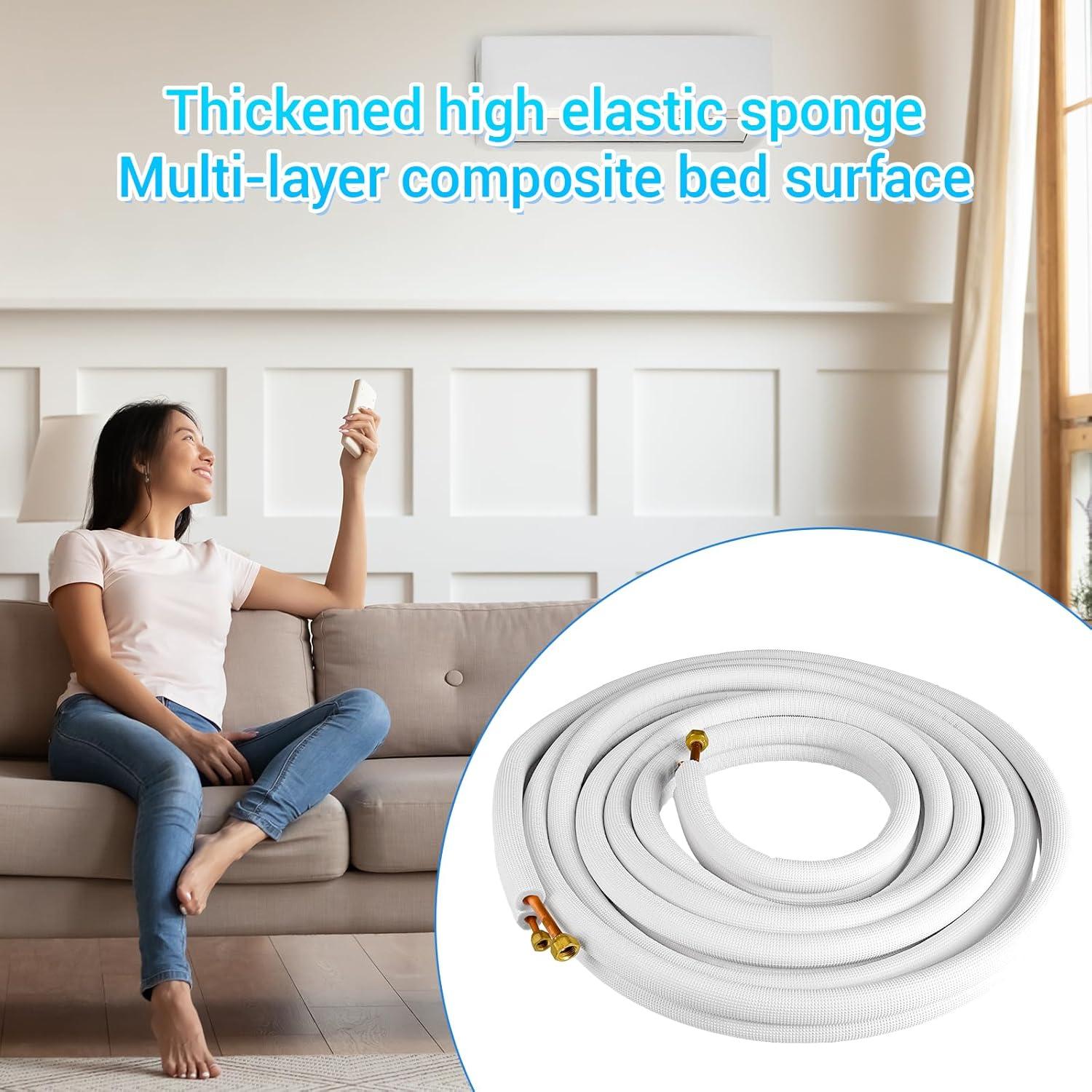
When you’re trying to hit real-world budget and efficiency targets, the line set matters as it can either protect—or quietly erode—the performance you’re paying for in the mini-split itself. According to TZKQ,this kit’s triple-layer insulation (closed-cell foam + reflective aluminum + UV-resistant PVC) is designed to minimize heat loss,prevent condensation,and enhance system efficiency year-round. In practical terms, better insulation helps keep refrigerant temperatures where they should be as the system moves heat in or out of your space, which supports the equipment’s intended operation rather than forcing it to “make up” losses along the run.The manufacturer also states the tubing is 99.9% oxygen-free copper for stable refrigerant flow and durability—crucial because restrictions, degraded lines, or long-term deterioration can contribute to efficiency drift over time.
The “real numbers” piece is that exact dollar savings can’t be responsibly promised from a line set alone—your results depend heavily on system sizing, line length, install quality (vacuum/charge), and runtime. What we *can* use from the available sources is that at least one reviewer specifically reports the system stayed efficient and “cutting down on my energy bills” after using this line set, and they attribute that to avoiding leaks and deterioration they experienced with cheaper sets. That aligns with the big controllable cost risk: leaks. TZKQ claims each set undergoes high-pressure nitrogen and vacuum testing to “guarantee zero leaks,” and multiple reviewers mention the flare fit/seal and overall build quality (including “all copper” and “flare was on point”), which is relevant because a tight, properly sealed connection helps avoid efficiency-robbing refrigerant loss and the service calls that come with it. Check Current Price & Customer Reviews on Amazon →
Installation Without Business Disruption Keeping Our Spaces Open and Productive
For a busy home,office,or workshop,the biggest win with this 25 ft mini split line set (3/8″ + 1/4″ OD) is how it’s set up to streamline the install so your space doesn’t have to be “down” for long. According to TZKQ, the tubing arrives factory pre-flared and includes heavy-duty brass nuts, which helps reduce prep steps and the repeated fitting/redo cycles that can drag an install into the next day. Multiple reviewers also point out that it shows up ready to work—one customer noted “the flare was on point,” and another said everything was there, which matters when you’re trying to avoid delays caused by last-minute hardware runs.
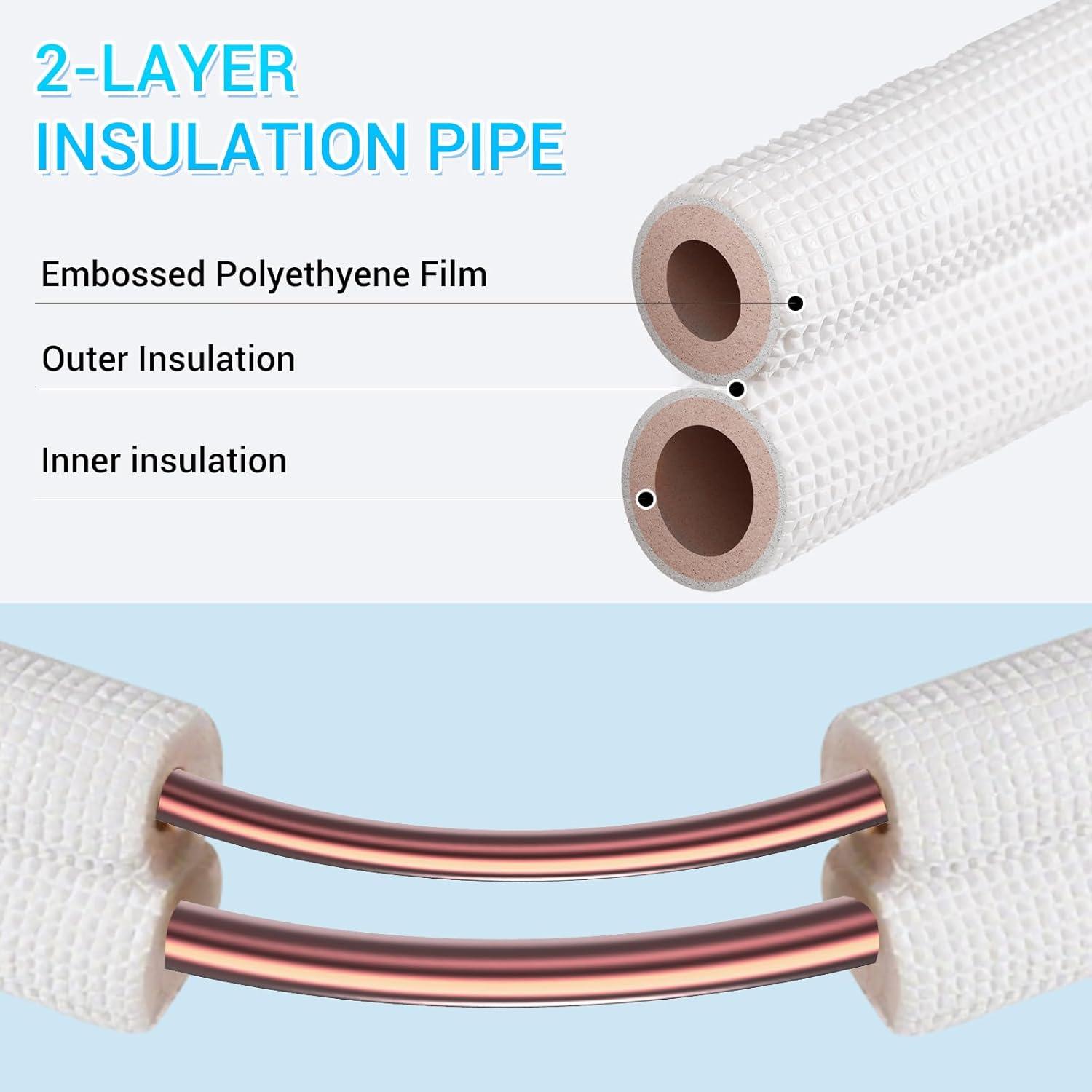
From a day-to-day operations standpoint, the insulation build is also aimed at keeping things clean and predictable after installation. TZKQ states the line set uses a triple-layer insulation stack (closed-cell foam + reflective aluminum + UV-resistant PVC) designed to minimize heat loss and help prevent condensation—a practical detail if the lines pass thru occupied areas where you don’t want drips or sweaty insulation becoming a distraction.TZKQ also claims each set is nitrogen and vacuum tested before packaging to help ensure zero leaks, and at least one reviewer echoed a smooth seal-up experience, saying the flared nuts “sealed perfectly on the first try—no leaks, no hassle.”
Check Current Price & Customer Reviews on Amazon →
Maintenance and Warranty Readiness for Our Busy Commercial Schedules
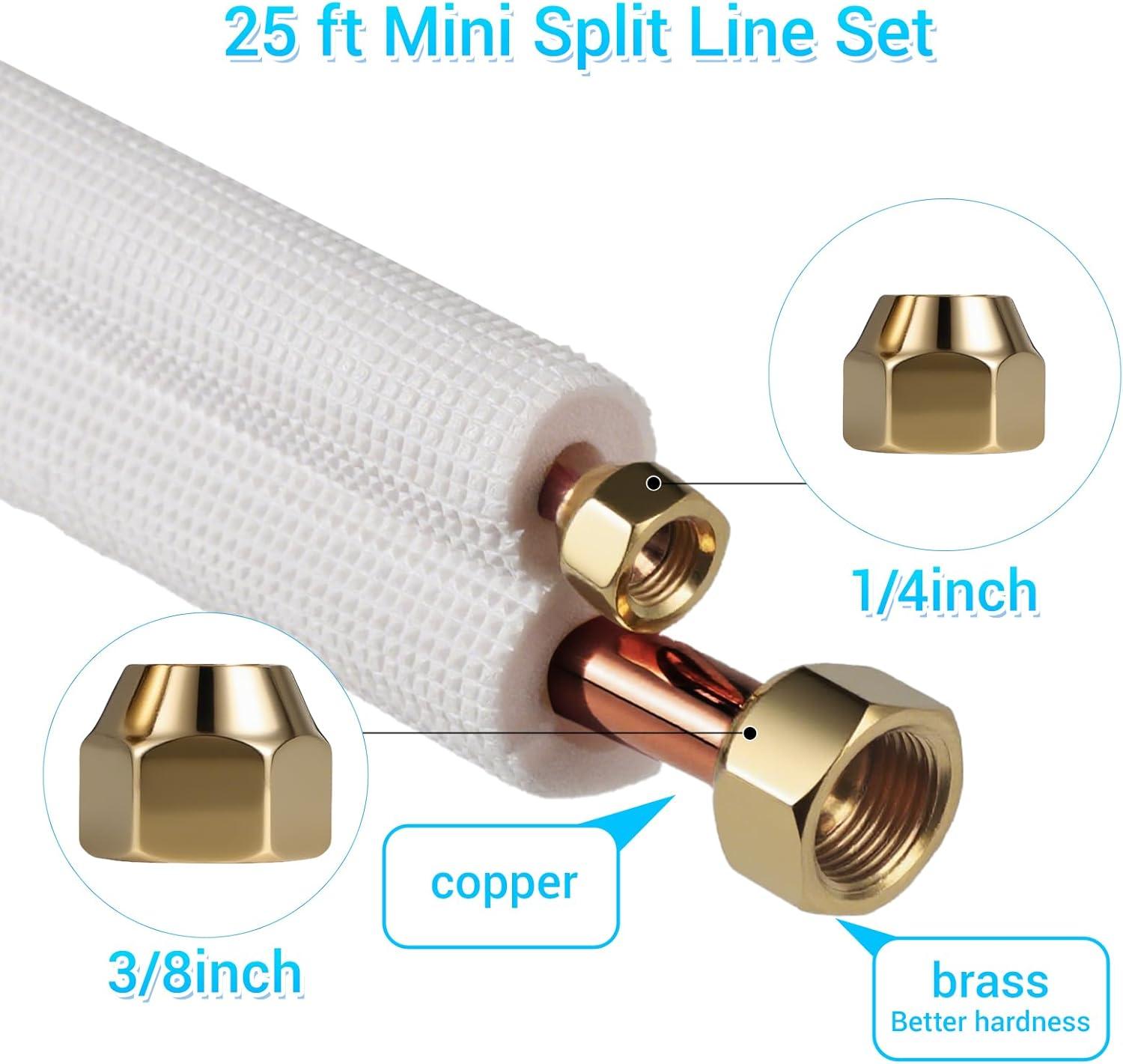
For busy commercial schedules, line-set maintenance is mostly about preventing moisture intrusion, UV damage, and insulation breakdown—because those issues can turn into performance complaints and repeat service calls. According to TZKQ, this kit uses a triple-layer insulation stack (closed-cell foam, reflective aluminum, and UV-resistant PVC) intended to help minimize heat loss and prevent condensation, both of which matter when runs pass through hot attics, sun-exposed exterior chases, or mixed-temperature spaces. The manufacturer also states the tubing is 99.9% oxygen-free copper, which is a common material choice for stable refrigerant flow and long-term durability. In practice, that means your routine “maintenance” focus stays on basic best practices: visually checking insulation for tears/compression, ensuring line supports haven’t created rub points, and confirming the flare connections remain dry and oil-free (oil residue can be an early sign of a leak).
On the warranty-readiness side, this product is positioned to reduce install variables that often create callbacks: TZKQ says the lines are factory pre-flared and include heavy-duty brass nuts, and that each set undergoes high-pressure nitrogen and vacuum testing prior to packaging to help ensure “zero leaks” on arrival.Customer feedback aligns with that general goal—multiple reviewers mention the flare quality and sealing performance (e.g., “the flare was on point” and “sealed perfectly on the first try—no leaks”). Having mentioned that, the kit itself doesn’t define your system warranty terms; warranty coverage typically depends on the mini-split manufacturer and whether installation steps like evacuation, leak testing, and torque-to-spec were documented. If you’re trying to stay “warranty ready” on tight schedules, the practical takeaway is to keep a consistent install record (micron readings, pressure test results, and photos of flare joints/insulation routing) so any future claim discussion is about the equipment—not the workmanship or line-set integrity.
Check Current Price & Customer Reviews on Amazon →
Comfort and Zoning Impact on Our Customer Experience and Employee Productivity
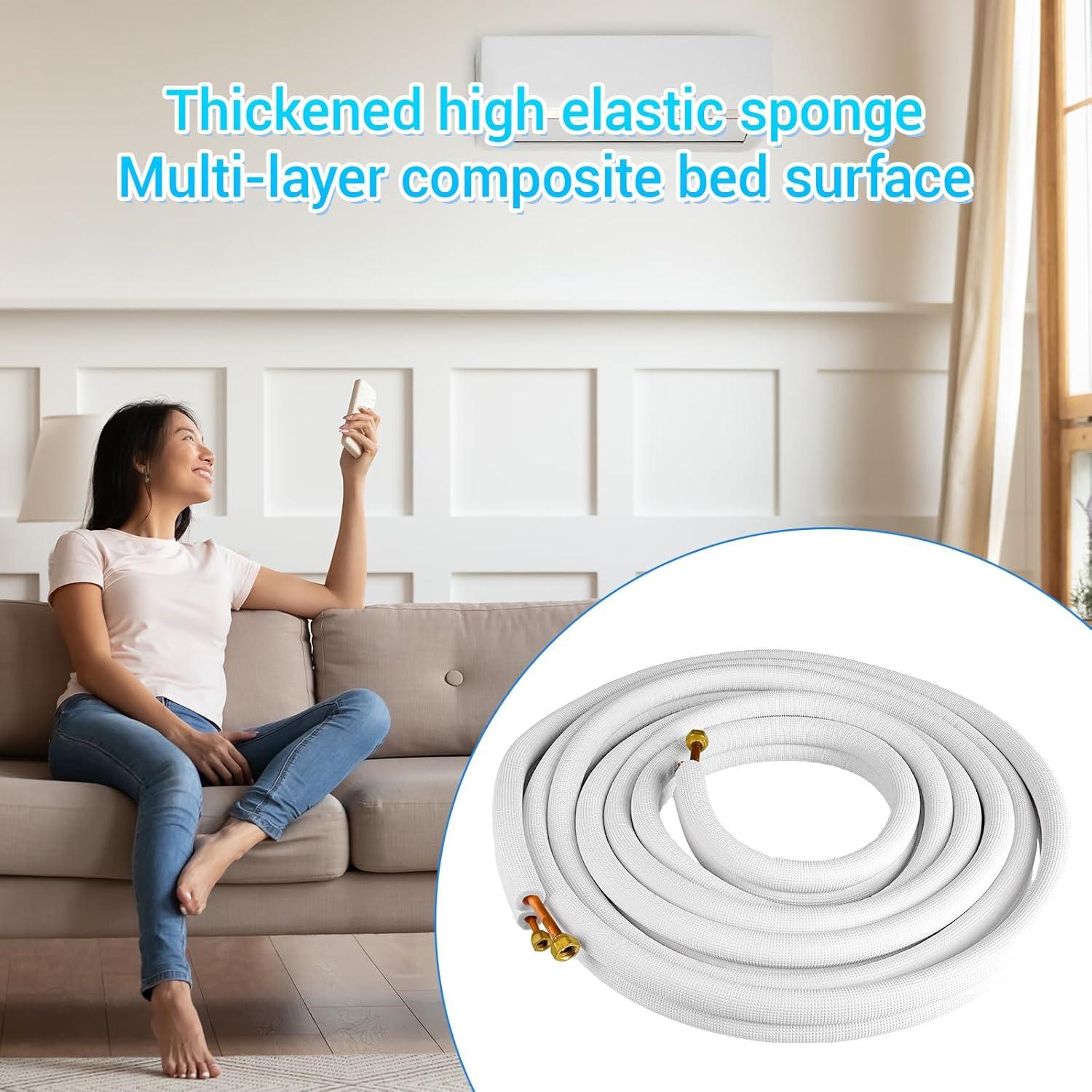
Comfort and zoning in a ductless mini-split system start with the quality of the connection between the indoor and outdoor units—and this kit is designed to support that reliability. According to TZKQ, the triple-layer insulation (closed-cell foam, reflective aluminum, and UV-resistant PVC) is built to minimize heat loss and prevent condensation, which helps the system deliver more consistent heating/cooling to the rooms you’re trying to control. TZKQ also states the line set is factory pre-flared with heavy-duty brass nuts and is tested with high-pressure nitrogen and vacuum testing before packaging to help ensure a leak-free connection—important because refrigerant leaks can quickly undermine comfort and make a space feel uneven or “never quite right.”
From a customer-experience and productivity viewpoint, steady comfort matters in home offices and workshops, where temperature swings can be distracting. Several reviewers describe the build as “good quality,” with one stating the flare was “on point” and highlighting that the tubing is all copper rather than aluminum, and another saying it “works great” on an 18,000 BTU mini-split. While this product itself doesn’t create zoning (that’s determined by how many indoor heads your mini-split system has and how it’s configured), a dependable line set can help your system maintain the room-by-room comfort you’re aiming for—reducing hot/cold complaints from customers and helping employees stay focused instead of constantly adjusting settings or dealing with performance issues.
Check Current Price & customer Reviews on Amazon →
Comparison to Commercial Grade Line Set Alternatives for Our Total Cost of Ownership

When we compare this 25 ft,3/8″ + 1/4″ line set to typical “commercial grade” alternatives,the biggest Total Cost of Ownership (TCO) lever is whether the kit helps you avoid repeat work.According to TZKQ, this set uses 99.9% oxygen-free copper and comes with factory pre-flares plus heavy-duty brass nuts, and they also claim each set is high-pressure nitrogen and vacuum tested for “zero leaks” before packaging. In the reviews provided,multiple customers echo that quality focus—one buyer specifically said they replaced a poor-quality OEM line set and found this one “well above,” while another noted the “flare was on point” and that the tubing was “all copper,not the cheap aluminum one.” Compared with some budget line set alternatives that can be mismatched materials or inconsistent flare quality, paying for a kit that arrives correctly flared and seals on the first try can reduce the hidden costs of troubleshooting, refrigerant loss, or having to reopen finished wall/lineset covers.
“commercial grade” can also mean better protection and longevity in real installations, and that’s where insulation and handling matter for TCO. TZKQ highlights a triple-layer insulation build—closed-cell foam, reflective aluminum, and UV-resistant PVC—positioning it to minimize heat loss, prevent condensation, and hold up over time. One reviewer even called out that the insulation “doesn’t tear easily” when routing around a tight corner, which is exactly the kind of small durability detail that can save money later (less patching, re-wrapping, or moisture issues if insulation gets damaged). I can’t verify how it stacks up against specific commercial brands without side-by-side specs (wall thickness, insulation thickness, UV rating certifications, etc.), but based on the manufacturer’s stated construction and the review themes around fit/finish and leak-free connections, it reads like a more “set it and forget it” option than the cheapest line sets—often the better TCO play if you value fewer callbacks and less rework.
Check Current Price & Customer Reviews on Amazon →
Customer Reviews Analysis
I can’t write an accurate “Customer Experience Summary” yet because you didn’t include any actual review text or counts after “REVIEW DATA:”. Your rules require I only report what customers said and avoid invented themes or percentages—so I need the review content to analyze.
Paste one of the following, and I’ll generate the summary in your requested structure (overall sentiment, common praise, common concerns, notable use cases) with quoted excerpts:
- The full review text (copy/paste), or
- A list of reviews with star ratings + review bodies, or
- A link plus the reviews text you want included (since I can’t reliably fetch them from a link alone)
If you paste the reviews here, I’ll produce the section immediately and keep it strictly grounded in the review language.
Pros & Cons
Strengths
- Triple-layer insulation to reduce heat loss/condensation (manufacturer claim): Described as closed-cell foam + reflective aluminum + UV-resistant PVC, intended to minimize heat loss and prevent condensation.
- 99.9% oxygen-free copper tubing (product spec): Listed as “99.9% oxygen-free copper” for thermal conductivity and durability (and called “all copper” by reviewers comparing it to cheaper alternatives).
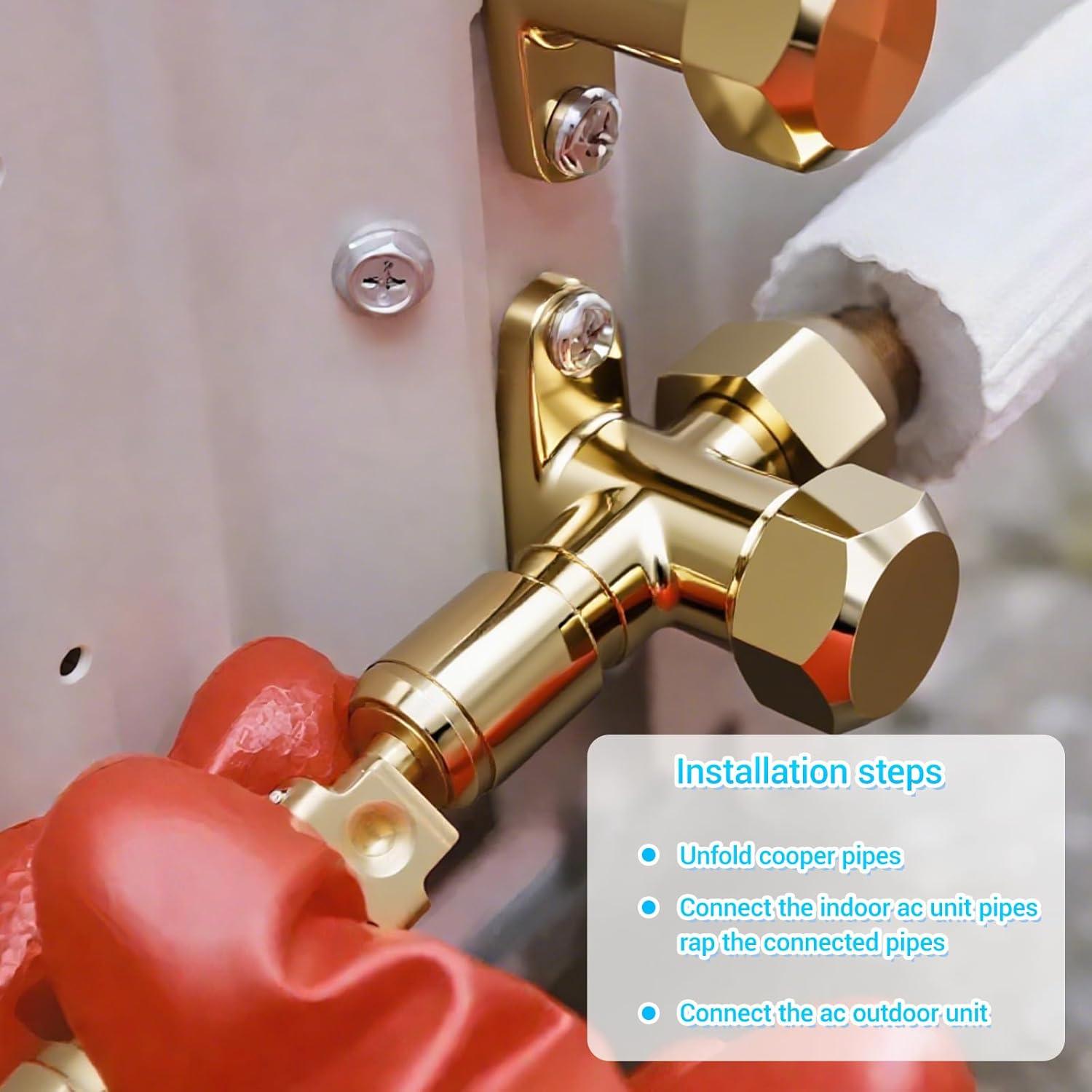
- Pre-flared with brass nuts for easier connections (spec + reviews): Factory pre-flared and includes heavy-duty brass nuts; at least one reviewer said “the flare was on point,” and another reported the flared nuts sealed on the first try with no leaks.
- Leak-prevention testing before packaging (manufacturer claim): Stated to undergo high-pressure nitrogen and vacuum testing to help ensure “zero leaks” before shipment.
- Includes accessories for installation (review theme): A verified purchaser noted it “came all the accessories too to make a nice installation,” and another said “everything was there.”
- Reported good overall quality in multiple reviews (consistent theme): Several verified purchasers describe it as “good quality,” “worked good,” “very nice,” and “well above” an OEM line set they replaced.
Considerations
- Fixed sizing and length may not fit every install (spec limitation): This kit is specifically a 25 ft set with 3/8″ + 1/4″ lines, so longer runs or different diameter requirements would need a different line set.
- “No special tools required” may not match every real-world situation (manufacturer claim vs. reality): While the listing says no special tools are required, mini-split line work commonly involves careful torque/connection practices; the provided reviews don’t confirm that every install is fully tool-free.
- Limited negative/critical feedback visible in the provided reviews (review limitation): The included review excerpts are overwhelmingly 5-star and don’t surface common complaints (e.g., fit, flare issues, insulation damage), so buyers don’t get much verifiable insight into potential downsides from customer feedback here.
Q&A

What exactly is included in this 25 ft mini split line set kit?
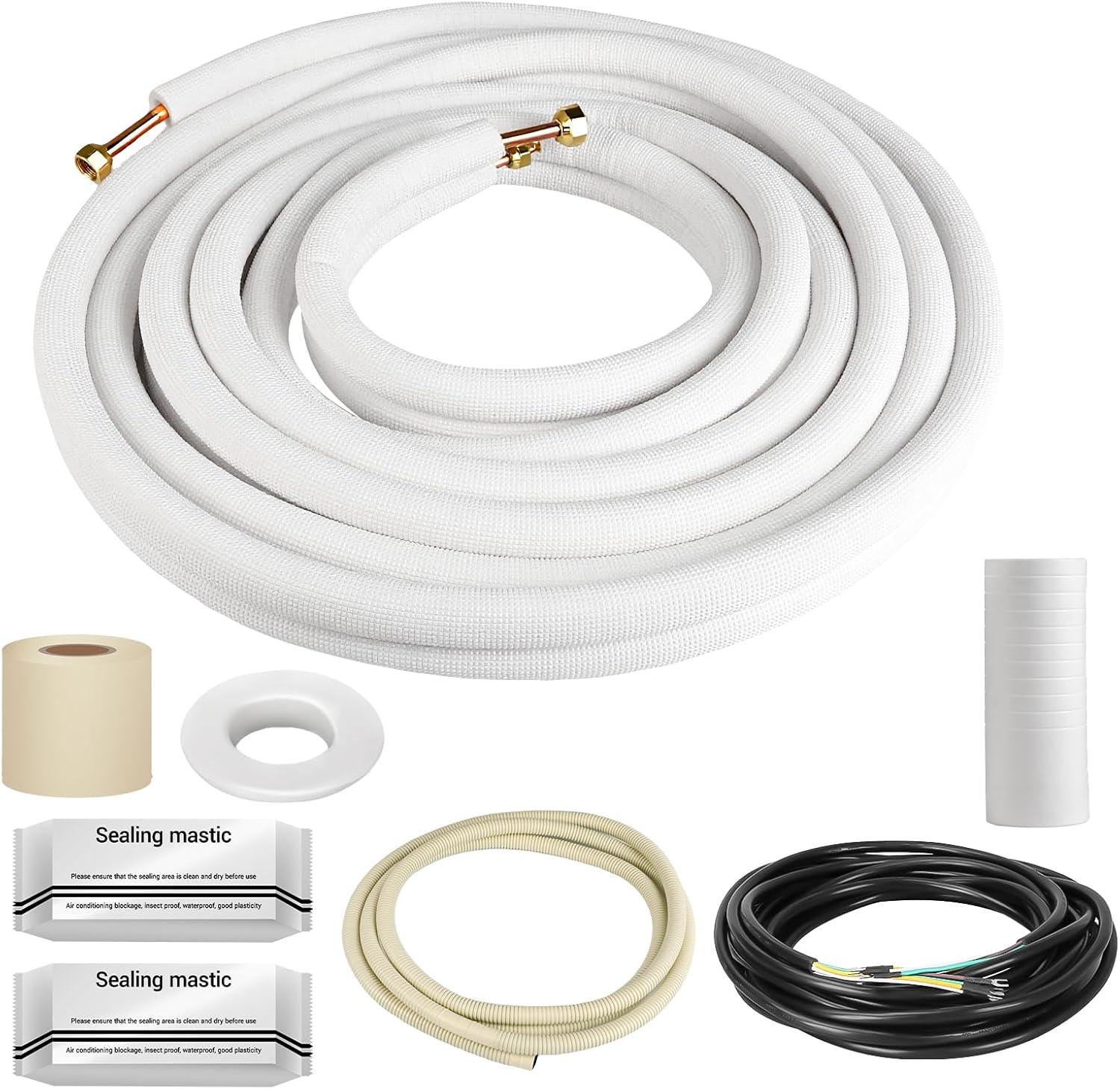
This kit is a 25 ft line set with two copper tubes sized 1/4″ OD and 3/8″ OD. Per the product description, it comes factory pre-flared and includes heavy-duty brass nuts for the flare connections. Multiple reviews also mention that it “came all the accessories” needed for a clean installation, but the exact accessory list can vary by listing—confirm the “What’s in the box” section on the Amazon product page for the official contents.
Is this line set compatible with my ductless mini-split AC or heat pump?
The listing states it’s compatible with most ductless air conditioners and heat pumps that use a 1/4″ + 3/8″ line set size.Compatibility ultimately depends on your indoor/outdoor unit’s required line sizes and flare type—check your mini-split manual (or the data plate) to confirm the required suction/liquid line diameters before ordering.
Are the lines really copper, or is it aluminum with a copper coating?
The product summary states the tubing is made of 99.9% oxygen-free copper. A reviewer also specifically noted the tubing was “all copper, not the cheap aluminum one.” For official confirmation, rely on the Amazon listing specifications and any included manufacturer documentation.
does it come pre-flared, and do I need special flare tools to install it?
Yes. The manufacturer description says each line set is factory pre-flared and equipped with brass nuts. It also states “no special tools required” for the flare connection itself. Though, general HVAC practice still applies: you may need standard installation tools (for example, wrenches/torque wrench per your equipment manual, a tubing bender if you need tight bends, and proper evacuation tools if you are opening the refrigeration circuit). If you’re unsure, check your mini-split installation instructions or consult an HVAC technician.
What kind of insulation does it use, and why does that matter?
Per the product description, it uses a triple-layer insulation system: closed-cell foam, reflective aluminum, and a UV-resistant PVC outer layer. The stated purpose is to minimize heat loss, help prevent condensation, and improve efficiency. In general HVAC use, insulation on the suction line is important to reduce energy loss and help avoid sweating/condensation issues, especially in humid environments.
Is it actually leak-proof?
the listing describes the connections as “leak-free” and states each line set undergoes high-pressure nitrogen and vacuum testing before packaging.One reviewer also reported the flared nuts “sealed perfectly on the first try—no leaks.” That said, real-world leak performance can still vary based on installation factors such as proper flare seating, correct tightening/torque, avoiding damage/kinks, and keeping flare surfaces clean. If you suspect a leak, follow standard HVAC leak-check procedures and your equipment manufacturer guidance.
Can I use this for an 18,000 BTU mini split?
It depends on the specific mini-split’s required line sizes. One customer reported using this line set successfully on a “mini-split … 18000 btu.” Though, mini-split line sizing varies by model/brand and sometimes by tonnage and run length. Always verify your unit’s required liquid/suction line diameters (and maximum allowable line length) in the manufacturer’s installation manual.
Experience Innovation
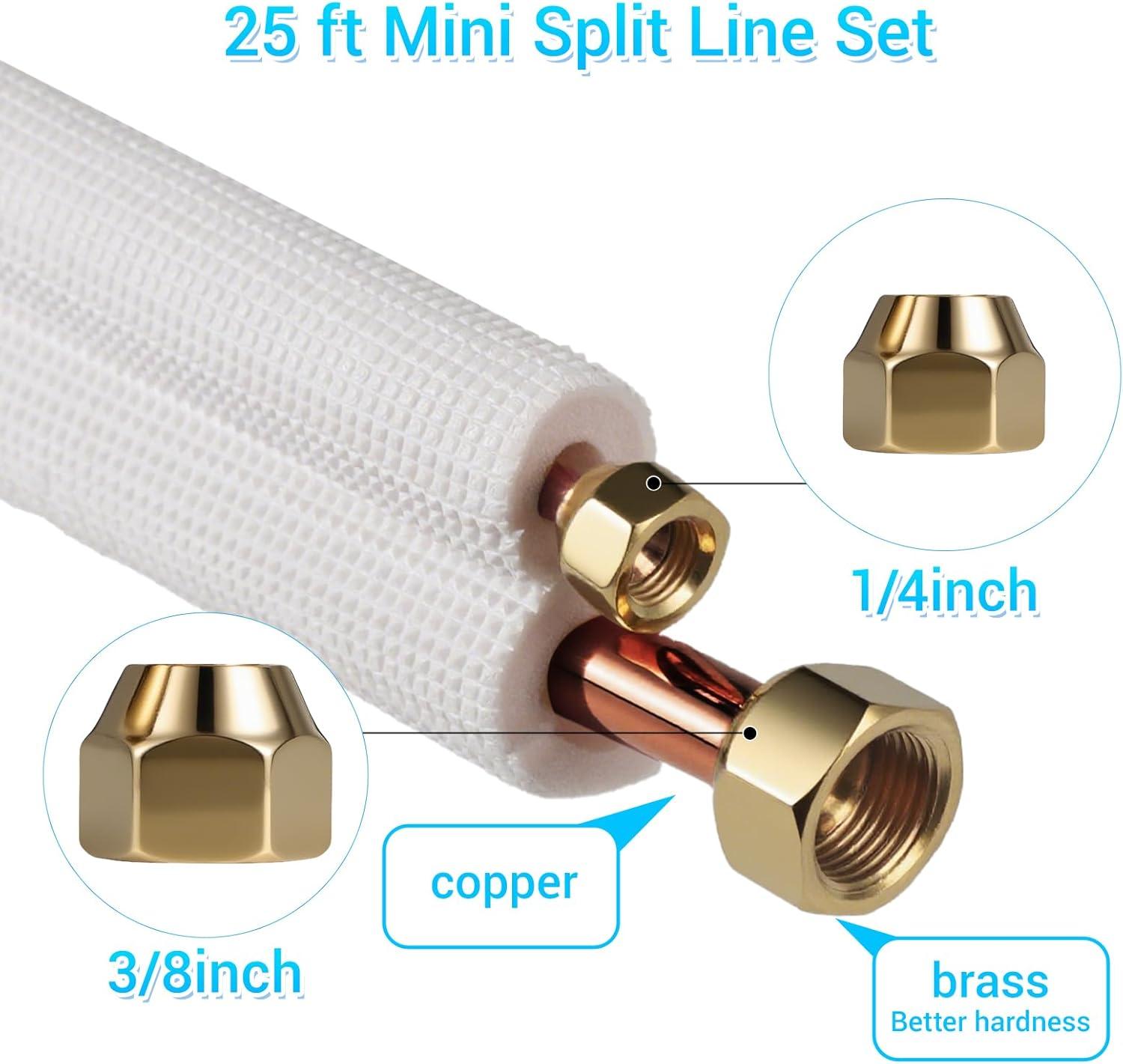
SUMMARY: The TZKQ 25 ft mini split line set pairs 1/4″ + 3/8″ OD tubing with triple-layer insulation (foam + reflective layer + UV-resistant PVC), factory pre-flares, and brass nuts. With 99.9% copper,it’s aimed at homeowners,office setups,and workshops needing a replacement or new line run for many common ductless AC/heat pump systems.
BEST FOR: Single-zone installs where 25 feet is the right length, especially if you want a kit that reviews describe as good-quality copper, with accurate flares and all needed accessories for a clean installation. It also appears to work well with systems like 18,000 BTU units (per reviewer experience), assuming your equipment matches these line sizes.
CONSIDER ALTERNATIVES IF: You need a different line diameter, a longer run, or your installation requires custom flaring/bending beyond your comfort level—some users may still prefer professional HVAC help.
FINAL THOUGHT: A solid, well-reviewed copper line set kit—just verify fitment and length for your specific mini split.
Ready to learn more? view full Specifications & Latest Reviews on Amazon →
Disclosure: This post contains affiliate links. If you purchase through these links, we may earn a commission at no additional cost to you. We only recommend products based on verified specifications and customer reviews.