
Struggling to keep two rooms cozy—without bulky wall units, ductwork, or that one space that’s always too hot or too cold? If your home has limited wall space or tight layouts, a ceiling-mounted solution can feel like the missing piece.
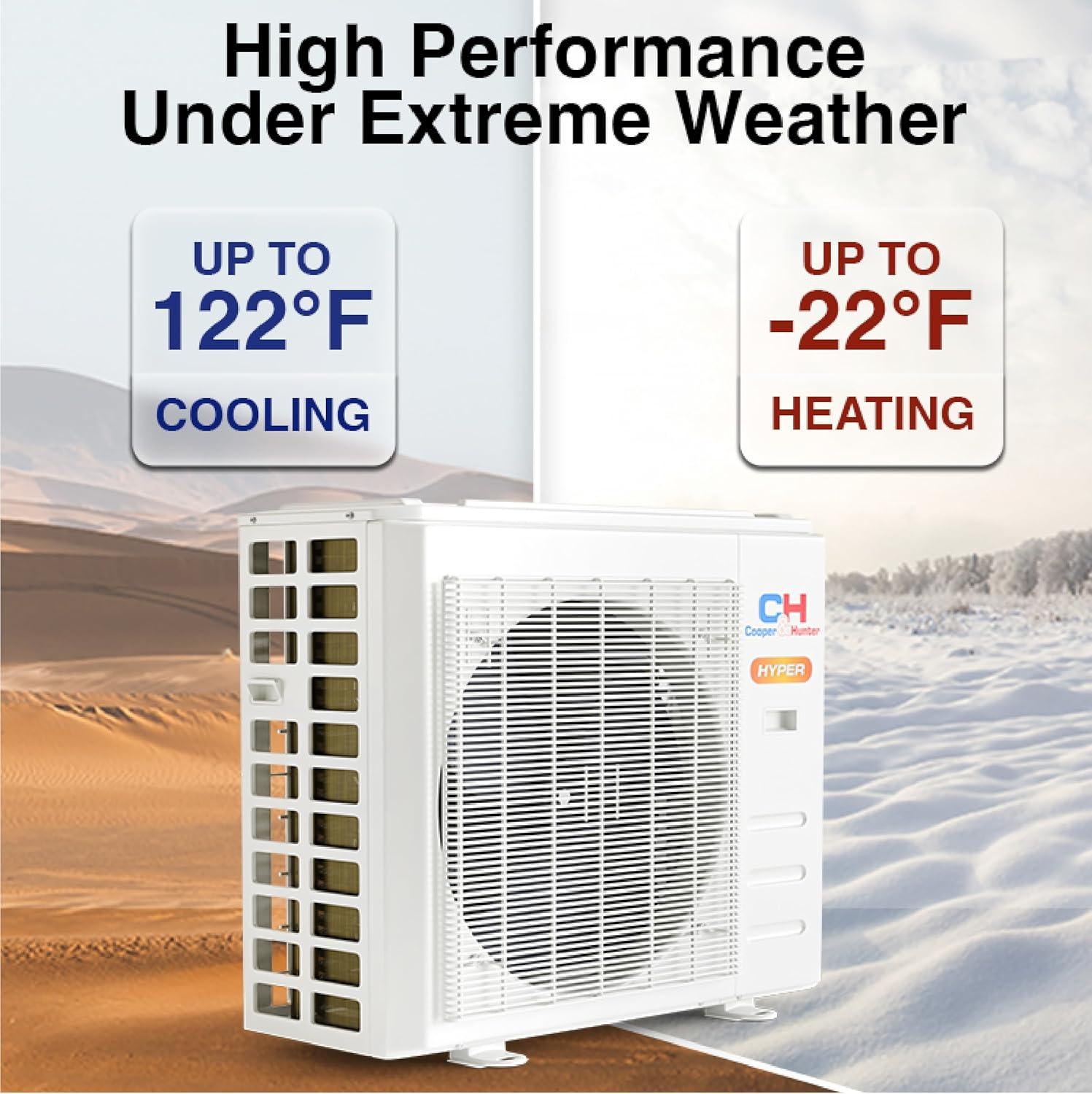
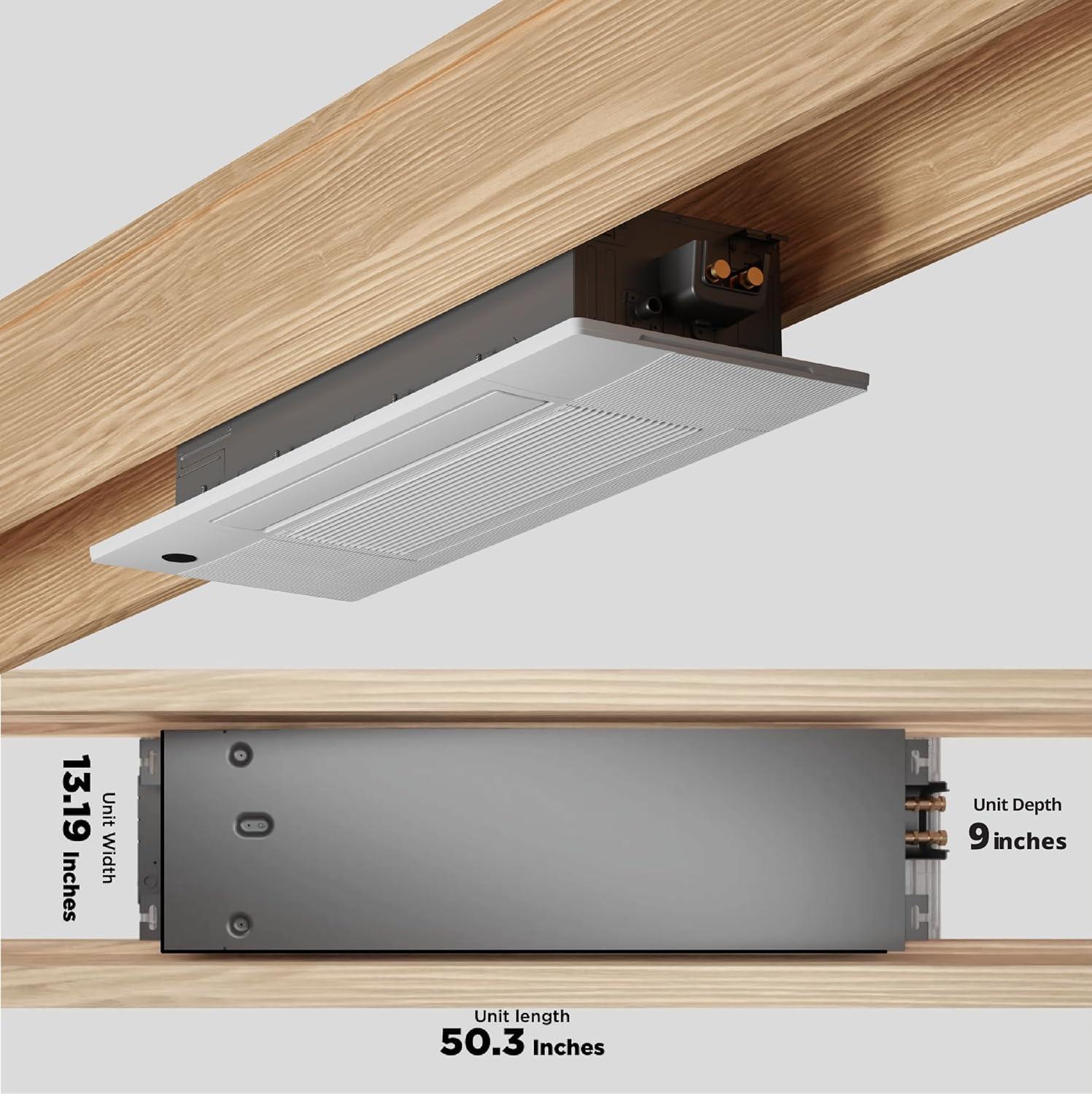
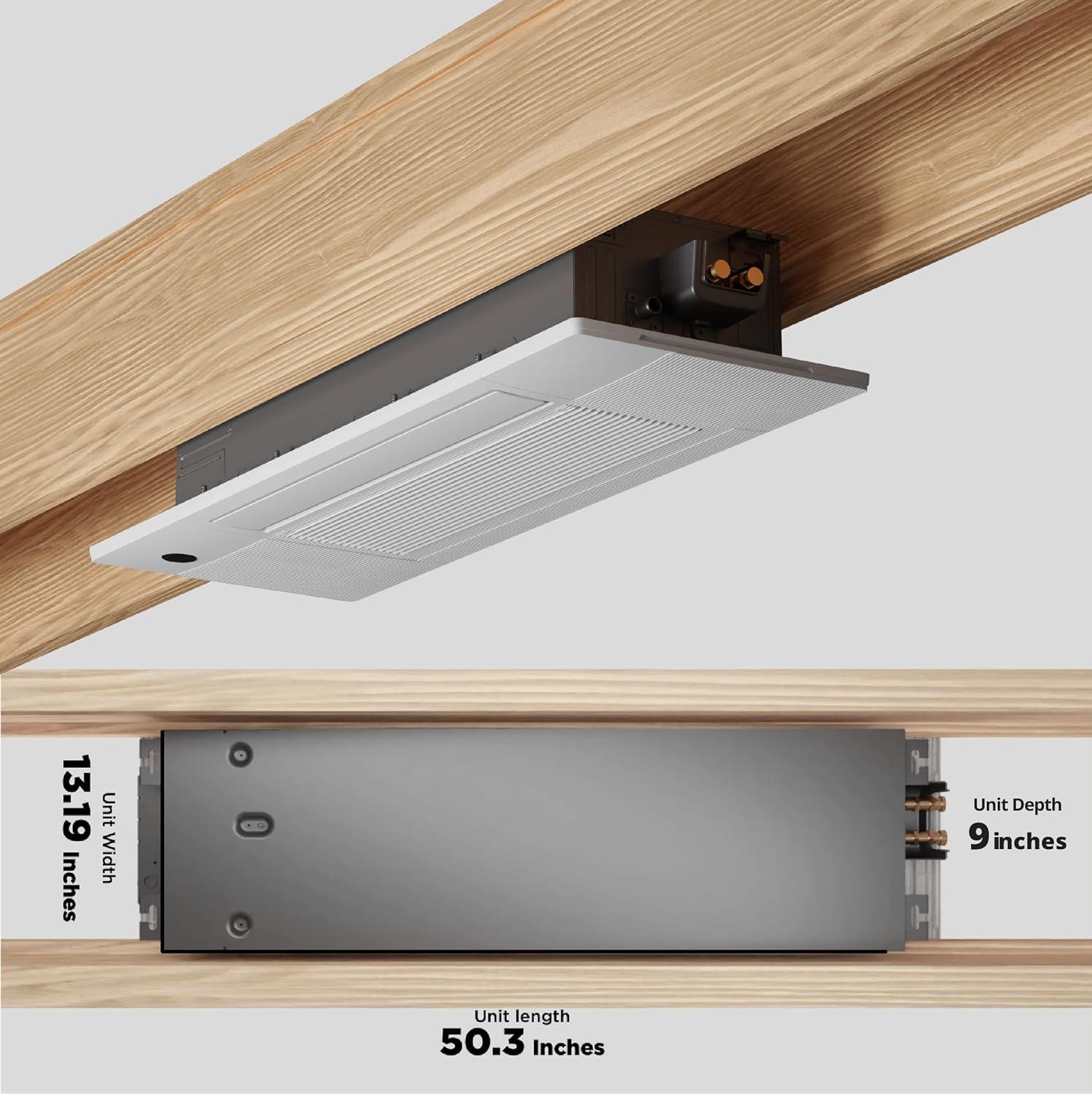
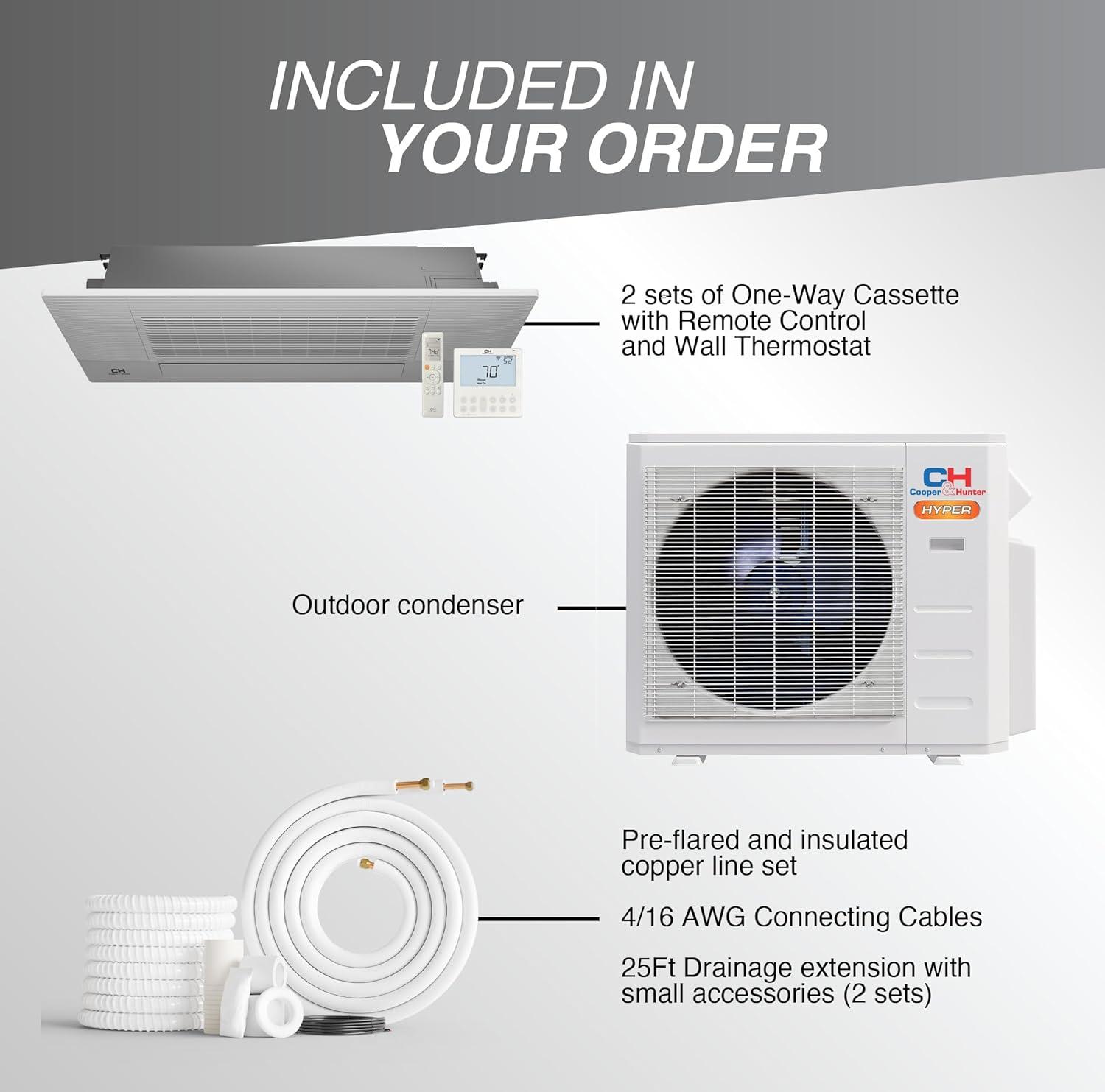
the Cooper & Hunter 19,000 BTU Hyper Heat 2-Zone ductless Mini Split pairs a multi-zone outdoor condenser (230V) wiht two 6,000 BTU 1-way ceiling cassette air handlers,designed to fit neatly between ceiling beams and sit flush for a discreet look. It’s rated at 22 SEER2 and uses a variable-speed inverter compressor; according to the manufacturer, it’s Hyper Heat performance is engineered for heating down to -22°F. The package also includes 25 ft installation kits per air handler, and the outdoor unit comes pre-charged—though it’s not a DIY system and requires professional installation.
In this review,we’ll break down multi-room comfort,cassette-style airflow,install and delivery considerations,and control options like the app (with smart Kit,sold separately). We’ve researched and compared mini-split setups across different room layouts,so we’ll focus on what matters in real homes—without hype.
Commercial Performance Overview for Multi Zone Business Spaces
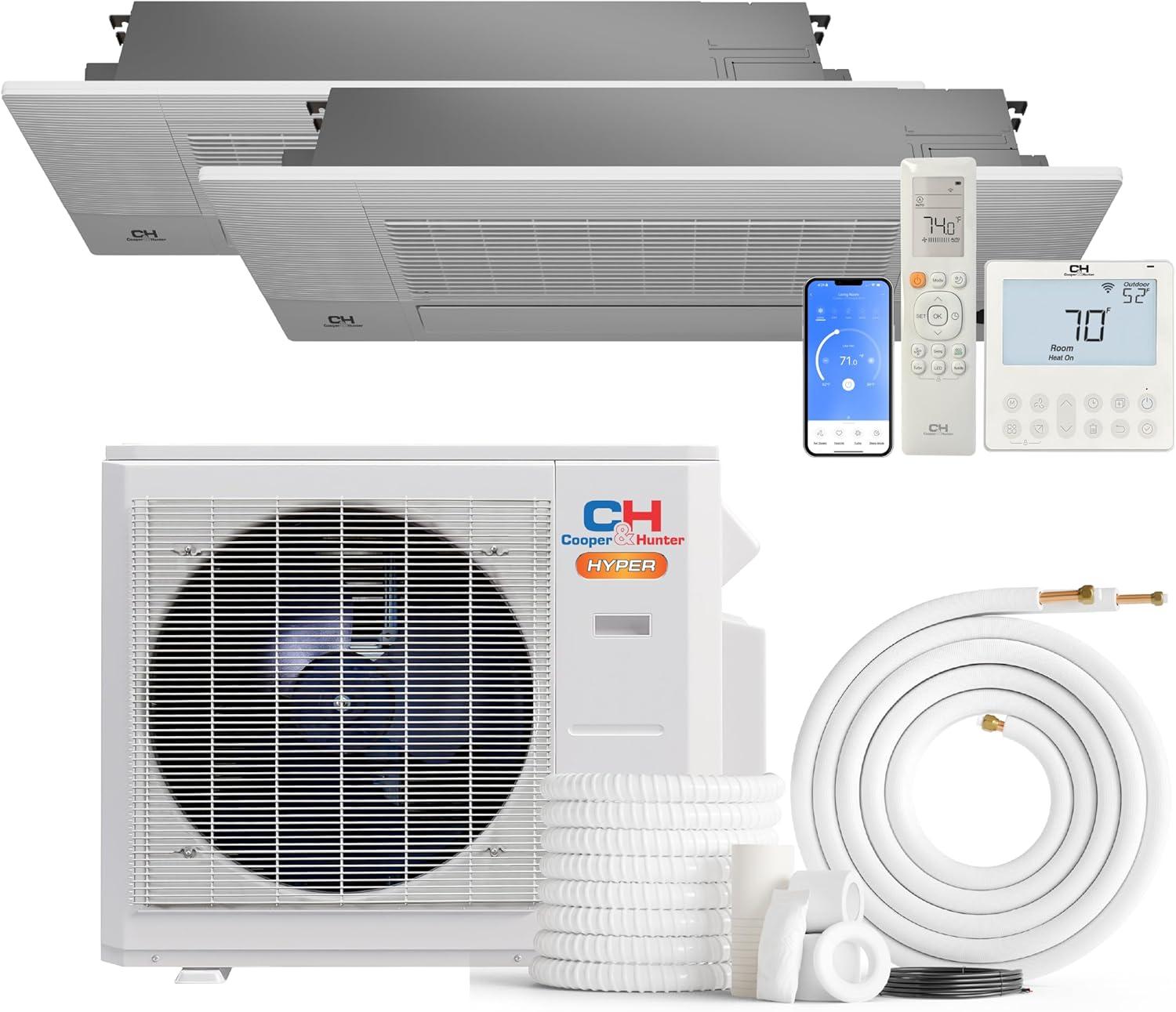
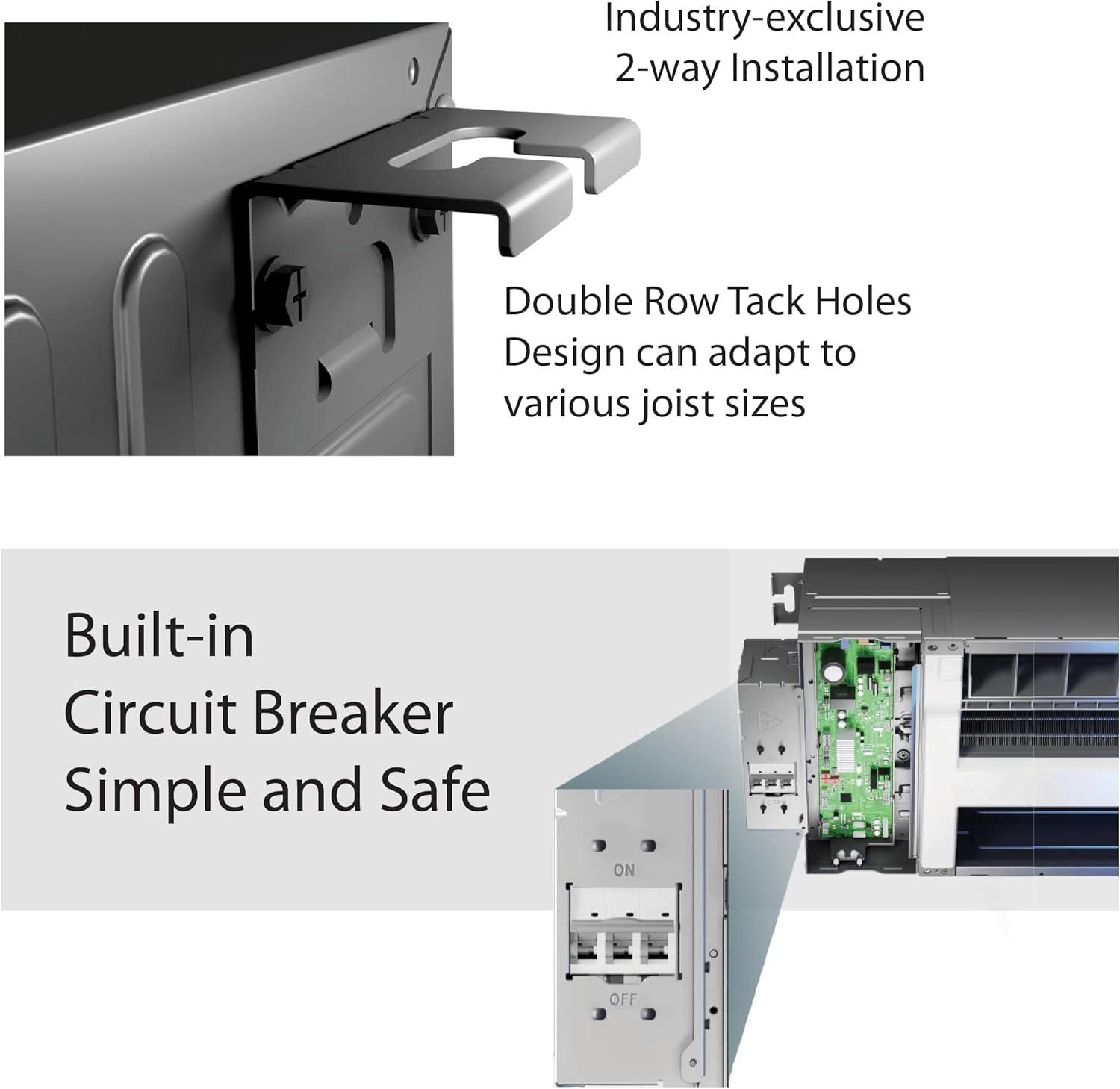
For multi-room commercial layouts like small offices,studios,or suites,this system is built around a 19,000 BTU hyper-heat outdoor condenser paired with (2) 6,000 BTU 1-way ceiling cassette indoor units,which can be a practical way to condition two separate zones without running ductwork. According to Cooper & Hunter, the ceiling-cassette form factor is designed to fit between structural ceiling beams and stay low-profile—useful in business spaces where wall space is limited by shelving, desks, or retail displays. Efficiency is also a key part of the performance pitch: the unit is rated at 22 SEER2, and the inverter compressor is intended to modulate output for steadier temperature control and quieter operation than fixed-speed systems.
In real-world feedback, one reviewer highlighted that the cassette sits flush with the ceiling and “drops cold air” into the occupied space—an airflow pattern that can be appealing in environments where you want comfort delivered directly into the room rather than relying on duct distribution. The same reviewer also noted the manual was “very well written,” which can matter for commercial installs where planning line routing, drain management, and ceiling placement up front reduces rework. That said,Cooper & Hunter explicitly states this is not a DIY system and that professional installation is required,so any commercial performance benefits depend heavily on correct sizing,proper condensate drainage,and a quality install—especially in multi-tenant or customer-facing spaces where downtime is costly.
Check current Price & Customer Reviews on Amazon →
Energy Cost Savings Real Numbers for Operating Budgets
with any HVAC equipment, “real numbers” for operating budgets come down to the efficiency rating and how you actually run the system. This Cooper & Hunter setup is rated at 22 SEER2,which is considered highly efficient for a multi-zone ductless mini-split,and—according to Cooper & Hunter—the variable-speed inverter compressor is designed to “save you energy,compared to traditional compressors.” In practice,inverter-driven systems can reduce waste by ramping output up and down rather of cycling hard on/off,which typically helps in day-to-day comfort conditioning where loads change throughout the day. That said, the listing doesn’t provide a watt draw chart or an estimated annual kWh cost, so it wouldn’t be accurate to promise a specific dollar savings for your budget.
Where buyers tend to feel the savings is in targeted conditioning and zoning. This system pairs a 19,000 BTU outdoor condenser with (2) 6,000 BTU 1-way ceiling cassette indoor units, meaning you can condition two smaller areas without running a whole-house system or conditioning unused rooms. One reviewer specifically liked it for cooling a traditional house without ductwork, noting “no ducts” and praising how it delivers cool air while sitting flush with the ceiling—useful context because ductless systems can avoid the losses associated with leaky or poorly insulated ducts (a general HVAC consideration). If you’re building an operating budget,the most honest takeaway here is: the combination of 22 SEER2 + inverter modulation + true zoning can be a cost-control tool,but your actual bill will still depend on insulation,setpoints,local electric rates,and how many hours per day each zone runs.
check Current Price & Customer Reviews on Amazon →
Installation Without Business Disruption for Ongoing Operations
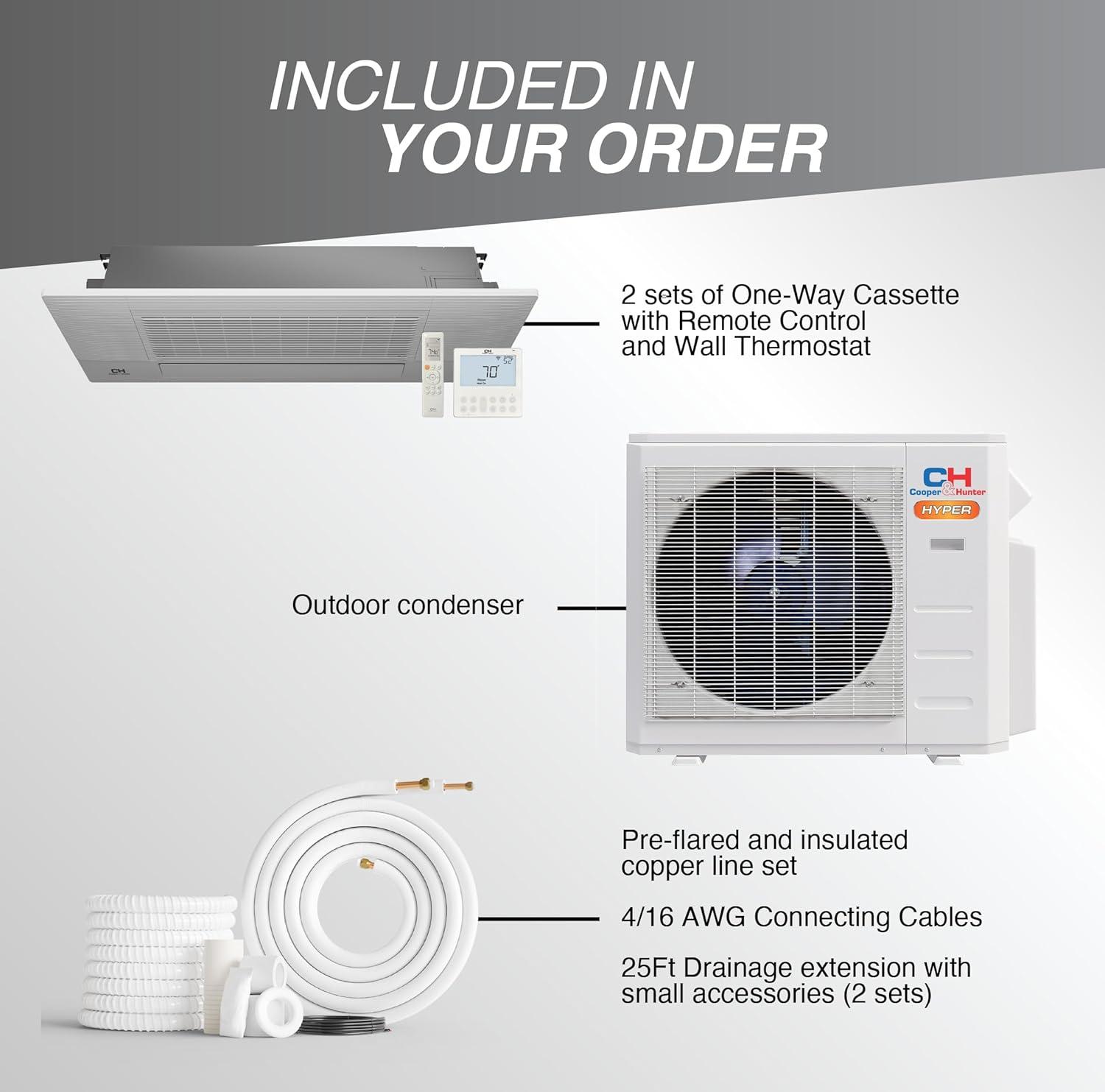
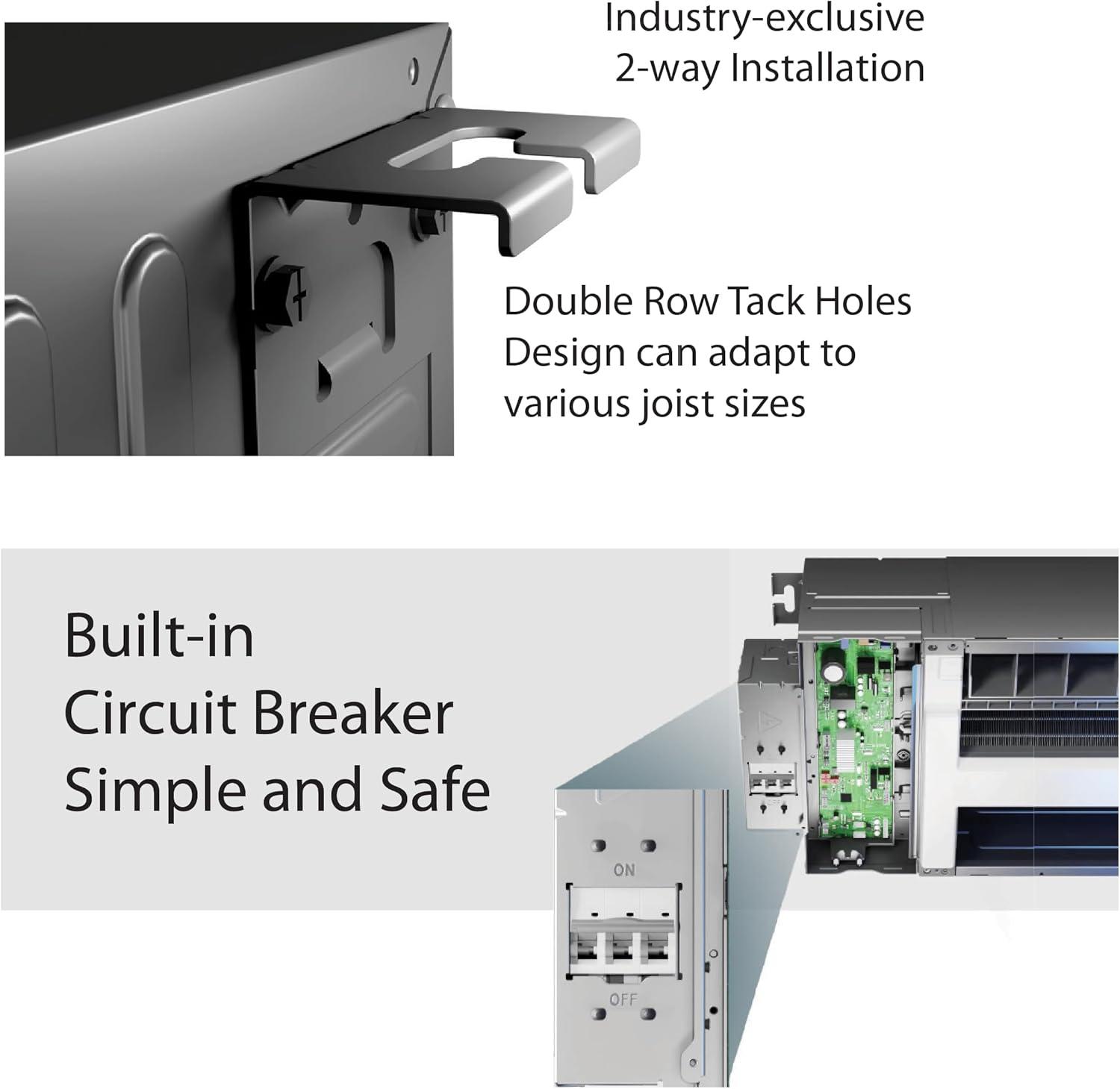
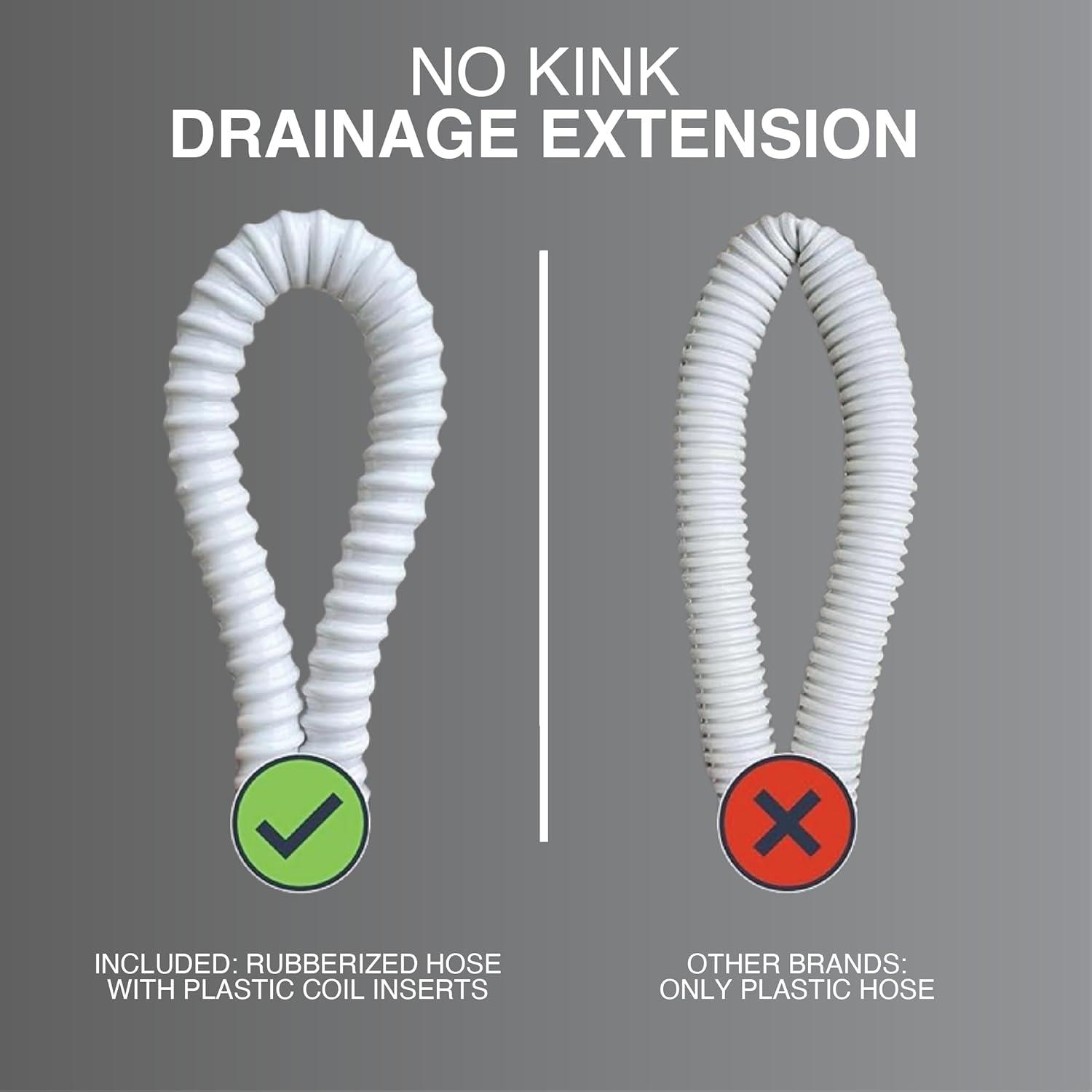
For businesses that can’t afford downtime, the ceiling-cassette approach is naturally less intrusive than adding or reworking ductwork. According to Cooper & Hunter, this system uses two 6,000 BTU 1-way ceiling cassette air handlers that sit flush with the ceiling and are designed to fit between structural ceiling beams—helpful for offices, bedrooms, or other finished interiors where wall space and visible equipment are a concern. The included install hardware also supports a cleaner, faster job flow: each zone ships with 25 ft pre-flared, insulated copper line sets, 25 ft interaction wire, and a 16 ft drainage extension, while the outdoor condenser comes pre-charged, reducing on-site refrigerant handling during setup.
In customer feedback, at least one buyer highlighted how this form factor can cool a traditional home with drywall ceilings while keeping the interior footprint minimal, noting it has no ducts and can avoid major wall penetrations depending on how the drain is routed; they also said the manual is “very well written.” Having mentioned that, cooper & Hunter explicitly states this is not a DIY system and that professional installation is required—which is frequently enough what operational sites prefer anyway, as a licensed installer can schedule the noisiest steps (mounting, electrical, line-set routing, and condensate drainage) during off-hours and keep work areas contained. If you’re planning for minimal disruption, it also helps to note the unit ships via freight delivery to the nearest accessible exterior point, so coordinating delivery timing and a staging area is part of keeping operations running smoothly.
Check Current Price & Customer Reviews on Amazon →
Customer and Employee Comfort with Zoned Control and Consistent Airflow
Zoned systems like this Cooper & Hunter setup are designed to improve comfort by letting you condition different areas independently, and this package is built around that idea with a 2-zone outdoor condenser paired with (2) 6,000 BTU 1-way ceiling cassette indoor units. According to Cooper & Hunter, the ceiling cassette format is intended for smaller rooms and “limited wall and crawl space,” and the 1-way discharge is meant to provide discreet, directed airflow from the ceiling plane—useful in customer-facing spaces (waiting rooms, offices) or bedrooms where you want cooling without sacrificing wall space. The system’s variable-speed inverter compressor (22 SEER2) is also positioned as a comfort feature because it can modulate output for more stable indoor temperatures, rather than cycling fully on/off like traditional single-stage equipment.
On the real-world comfort side, there’s limited review volume available here, but one reviewer specifically liked the “flush with the ceiling” look and described the airflow as dropping cool air “on your head,” which can be a plus if you want fast perceived cooling but may require thoughtful placement to avoid drafts directly under the cassette in a desk or seating area. The same reviewer also highlighted the benefit of “no ducts,” which generally helps with consistent delivery to each zone (since you’re not relying on long duct runs), and noted the manual was “very well written”—a small but meaningful factor when dialing in day-to-day usability like setpoints and modes. for control convenience, the listing notes that when the Smart Kit (sold separately) is installed, you can use the C&H app, and the included remote supports “Follow me” mode for more targeted temperature control—features that can help both employees and customers feel more consistently comfortable throughout the day.
Maintenance and Warranty readiness for Commercial Use and Reduced Downtime
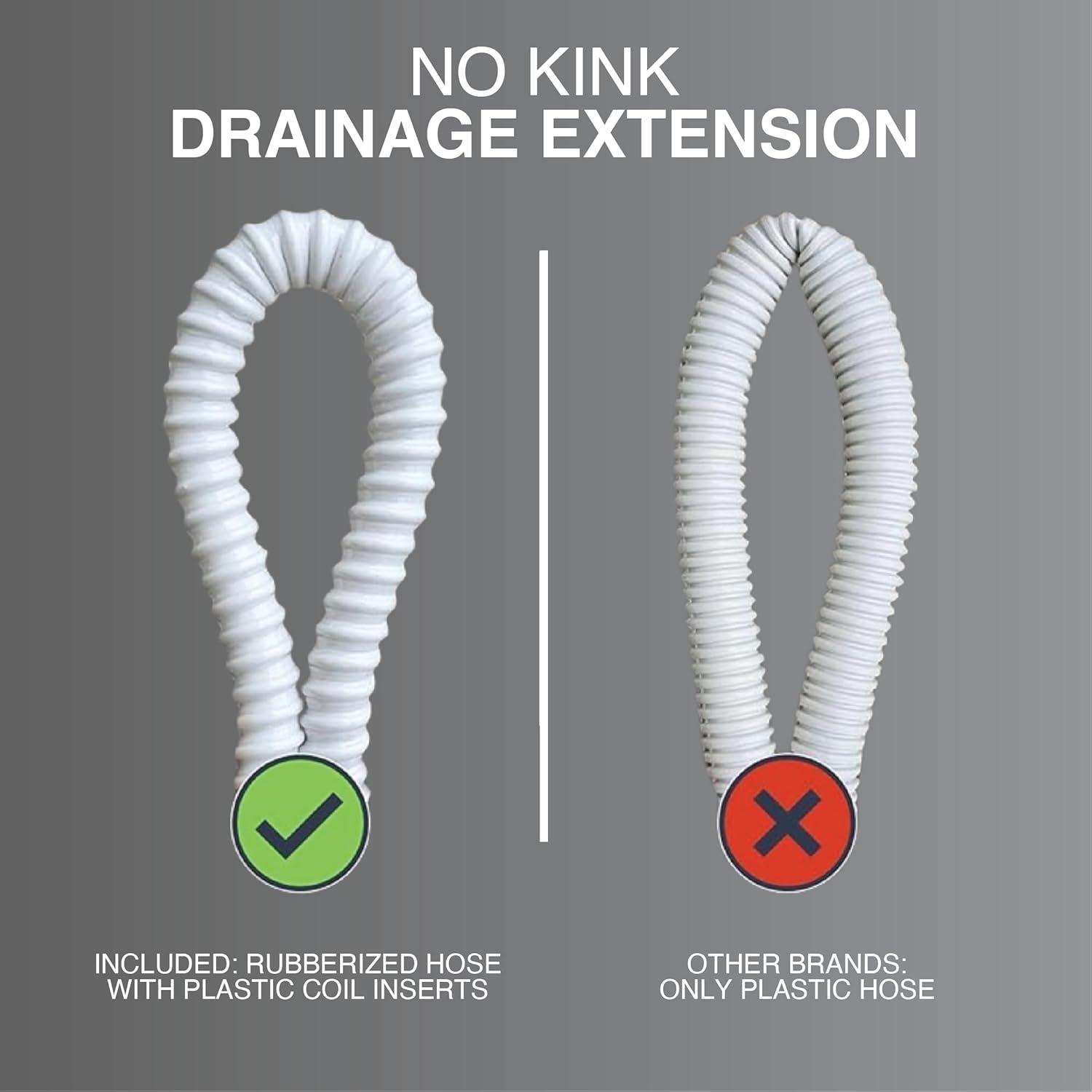
For commercial settings where downtime is costly,this Cooper & Hunter multi-zone system is structured for serviceability in a straightforward way: you’re working with a single 19,000 BTU outdoor condenser feeding two 6,000 BTU 1-way ceiling cassette air handlers,rather than a web of ductwork.According to the product description, the system includes install materials that can make initial setup cleaner and more standardized across sites—each zone gets a
- 25 ft pre-flared, insulated copper line set
- 25 ft communication wire
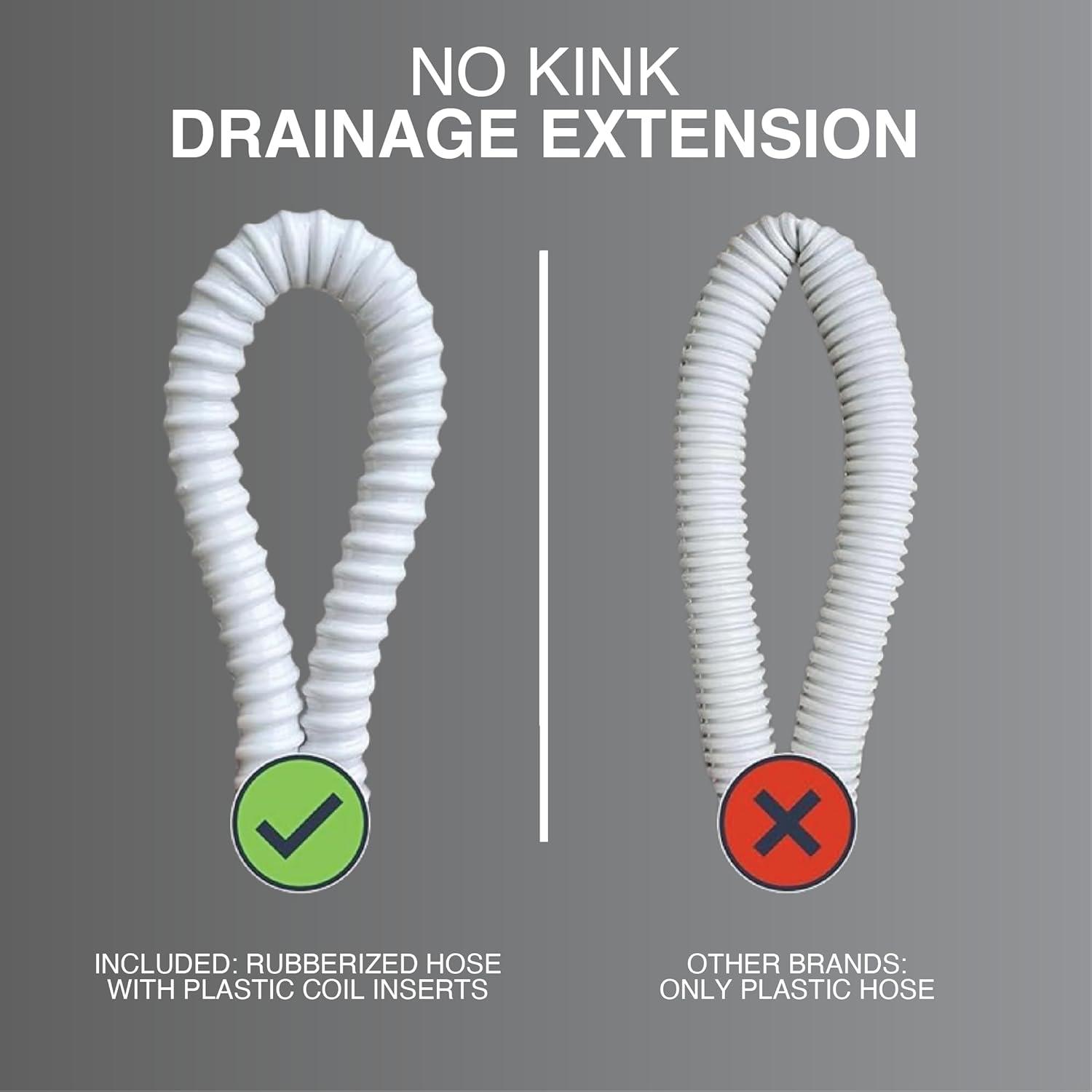
- 16 ft drainage extension
- Small accessories
—and the outdoor unit comes pre-charged. For ongoing upkeep, typical mini-split maintenance still applies (and matters in commercial use): keeping indoor filters clean, maintaining a clear condensate drain path, and ensuring the outdoor coil stays unobstructed to help the inverter-driven system operate smoothly.On warranty readiness, the key point is procedural: Cooper & Hunter states plainly that this is not a DIY system and that professional installation is required. for businesses, that alignment with pro installation can reduce risk during warranty conversations as you’re more likely to have the documentation (installer invoice, commissioning notes) that manufacturers commonly ask for when troubleshooting performance or reliability complaints. C&H also advertises free US-based technical support, which can definitely help shorten time-to-resolution when a contractor is diagnosing an issue. There isn’t detailed warranty term details in the provided description, so for a commercial purchase it’s worth confirming coverage length, what documentation is required, and whether multi-zone/ceiling-cassette applications have any special conditions before scheduling install.Check Current Price & Customer Reviews on Amazon →
how We Compare It to Other Commercial HVAC Alternatives on Cost Efficiency and Flexibility
When you stack this Cooper & Hunter system against common commercial alternatives (like packaged rooftop units or traditional split systems with ductwork), the main cost-efficiency advantage is that it starts with a high efficiency rating—22 SEER2—and uses a variable-speed inverter compressor (per the manufacturer), which is designed to avoid the constant on/off cycling that can waste energy. it also arrives as a bundled package with practical install components included for each zone, which can reduce the number of separate parts you need to source:
- (2) 6,000 BTU 1-way ceiling cassette indoor air handlers
- 25 ft pre-flared & insulated copper line sets (for each air handler)
- 25 ft communication wires (for each air handler)
- 16 ft drainage extension and small accessories
- Outdoor unit pre-charged (per product description)
That said, it’s not fair to position it as a “cheap” solution in every scenario: Cooper & Hunter states professional installation is required, and the unit ships via freight, which can influence total project cost depending on site access and labor rates.
On flexibility, this setup sits in a sweet spot versus many commercial HVAC options because it’s ductless and uses two separate ceiling cassettes served by a single outdoor condenser, giving you multi-zone comfort without committing to large duct runs. The one-way cassette form factor can be a practical alternative when wall space is limited (manufacturer positioning), and at least one reviewer specifically liked the flush ceiling look and “no ducts” approach in a traditional home with drywall ceilings—highlighting a real-world fit where some commercial-style solutions can feel intrusive. The trade-off is that flexibility has boundaries: line-set length is 25 ft as included (longer runs may require additional materials/design), and smart control depends on a Smart Kit sold separately if you want app control—so it’s adaptable, but not an all-in-one “everything included” building-controls package like some commercial systems aim to be.
Check Current Price & Customer Reviews on Amazon →
Customer Reviews Analysis
Customer Experience Summary
1.Overall Sentiment
Generally positive (based on the single review provided). The reviewer described this system as their “favorite way to cool a traditional house” with this ceiling-cassette form factor, and highlighted the manual and installation approach positively. They also noted they would “update if there’s any reliability issue,” indicating reliability wasn’t yet proven in their experience.
2. Common Praise
Because only one review is provided, the themes below reflect that reviewer’s feedback (not a broader consensus).
Design / form factor (ceiling cassette)
- The reviewer liked that it “sits flush with the ceiling” and that it “drops cold air on your head,” framing it as a desirable cooling style for a drywall-ceiling home.
Installation flexibility / minimal invasiveness
- They praised that there are “no ducts” and said “No wall penetration necessary depending on the drain line,” suggesting the setup can avoid cutting through walls in some installs.
Documentation
- The reviewer stated the “manual is very well written.”
Outdoor unit placement
- One reviewer shared their installation approach: placing “the outdoor unit on the roof above under the shade of a huge live oak,sitting on pressure treated 4×4’s.”
3. Common Concerns
No specific problems were reported in the provided review.
- the only cautionary note was that the reviewer hadn’t yet assessed long-term reliability: “Will update if there’s any reliability issue.”
4. Notable use Cases
- Cooling a traditional house with drywall ceilings: The reviewer explicitly said it was their “favorite way to cool a traditional house with drywall on the ceiling.”
- Situations where avoiding ducts (and possibly wall penetrations) matters: They emphasized “No ducts” and “no wall penetration necessary depending on the drain line.”
- Roof-mounted outdoor unit placement: They described mounting the condenser “on the roof,” shaded by a tree, supported by “pressure treated 4×4’s.”
Pros & Cons
Strengths
- Hyper Heat operation down to -22°F: The product description states it’s “engineered for extreme winter climates” and provides heating in sub-zero conditions.
- 22 SEER2 inverter efficiency: Listed as “22 SEER2 Inverter Efficiency” with a variable-speed inverter compressor for energy savings and precise temperature control.
- Two-zone setup with (2) 6,000 BTU one-way ceiling cassettes: Includes two 6K 1-way ceiling cassette indoor units designed for smaller spaces and “space-saving” ceiling mounting.
- Ceiling cassette form factor suited to limited wall space: The one-way cassettes are described as fitting between structural ceiling beams and being a good choice where wall/crawl space is limited; one reviewer also liked the flush,ceiling-mounted look and cooling approach.
- Included 25 ft installation kits and pre-charged outdoor unit: Comes with 25FT pre-flared/insulated line sets, 25FT communication wires, small accessories, and a 16FT drainage extension; the outdoor unit is stated to be pre-charged.
- Support and documentation noted: Manufacturer lists “Free US-based technical support,” and a reviewer reports the manual is “very well written.”
Considerations
- Professional installation required (not DIY): The description explicitly states “This is not a DIY system, professional installation is required,” which can add planning complexity and cost.
- Smartphone control requires an add-on: While app control is mentioned, the listing specifies the “Smart Kit [is] sold separately,” so WiFi/app control isn’t included out of the box.
- Freight delivery with curbside-style drop-off: the item “ships via freight” and will be delivered to the “nearest accessible point outside your home,” meaning you may need help moving it to the final location.
- Potential ceiling/condensate routing considerations with cassette installs: The product notes a drain line (and includes a 16FT drainage extension), and a reviewer mentions wall penetration might potentially be needless “depending on the drain line,” implying install constraints can vary by home.
Q&A
What’s included with this Cooper & Hunter 2-zone system?
Per the product description, this system includes a 19,000 BTU Hyper Heat multi-zone outdoor condenser (230V) and two 6,000 BTU 1-way ceiling cassette indoor units (6K + 6K). It also includes an installation kit for each air handler with 25 ft pre-flared and insulated copper line set, 25 ft communication wire between each indoor and outdoor unit, small accessories, and a 16 ft drainage extension. The outdoor unit is listed as pre-charged.
Dose this unit heat as well as cool, and how cold can it heat in?
Yes. The product is described as a ductless mini split air conditioner and heat pump. It specifically states “Hyper Heating Down to -22°F,” indicating it is engineered to provide heating performance in sub-zero outdoor conditions down to -22°F (per the listing description).
Do I need professional installation, or can I install it myself?
The listing explicitly states: “This is not a DIY system, professional installation is required.” Even though the unit includes installation kits and the outdoor unit is pre-charged, mini-split installations typically involve refrigerant-line evacuation/pressure testing, electrical work, and condensate drainage setup—all of which are commonly handled by licensed HVAC professionals. If you need confirmation for your area and warranty requirements, verify with the manufacturer and the Amazon listing details.
Does it include Wi‑Fi/app control?
App control is available, but the listing states the wireless Smart Kit is sold separately. When the Smart Kit is installed, the system can be controlled from a smartphone using the C&H app (per the product description). It also notes the included remote has a “Follow me” mode for more specific temperature control.
How efficient is this system?
this specific model is listed as 22 SEER2 and uses a variable-speed inverter compressor (“Inverter Technology” / “22 SEER2 Inverter Efficiency” in the description). In general HVAC terms,inverter-driven systems vary compressor speed to better match demand,which can improve comfort and reduce energy use versus fixed-speed systems (actual savings depend on climate,settings,and installation quality).
What line-set length does it support, and what if my run is longer than 25 feet?
The included kits provide 25 ft pre-flared/insulated line sets for each air handler (plus matching communication wire). If your installation requires a longer run or different routing, you’ll typically need additional line-set length and installation materials.Because maximum/allowed line lengths and any required adjustments can vary by model and installation conditions, confirm the approved limits and requirements in the manufacturer documentation or on the Amazon product page/Q&A for this exact model.
How is delivery handled for this system?
The listing states it ships via freight due to size and weight. Delivery will be made to the nearest accessible point outside your home, and the carrier will contact you to coordinate delivery (per the product description). For exact delivery options in your area, check the amazon listing at checkout.
Reveal the Exceptional
- SUMMARY: The Cooper & Hunter 19,000 BTU Hyper Heat 2-zone system pairs a 230V outdoor condenser with two 6,000 BTU 1-way ceiling cassette air handlers,delivering efficient heating and cooling in a discreet,flush-mount form factor.With a 22 SEER2 rating and inverter technology, it’s built for steady temperature control, and Hyper Heat is designed to keep heating performance going down to -22°F. This setup makes the most sense for homeowners who want a ductless, ceiling-based solution for smaller rooms without wall-mounted heads.
- BEST FOR: two separate small zones like bedrooms, offices, or additions—especially where wall space is limited. reviews commonly highlight the clean ceiling look, strong airflow “downward,” and a well-written manual.
- CONSIDER ALTERNATIVES IF: You need higher per-room capacity, longer than the included 25 ft line sets, smart control without buying the Smart Kit separately, or a DIY-kind install (this system requires professional installation).
- FINAL THOUGHT: A solid niche option if you specifically want one-way ceiling cassettes and multi-zone flexibility—just plan the install and sizing carefully.
- CTA:
Ready to learn more? View Full Specifications & Latest Reviews on Amazon →