
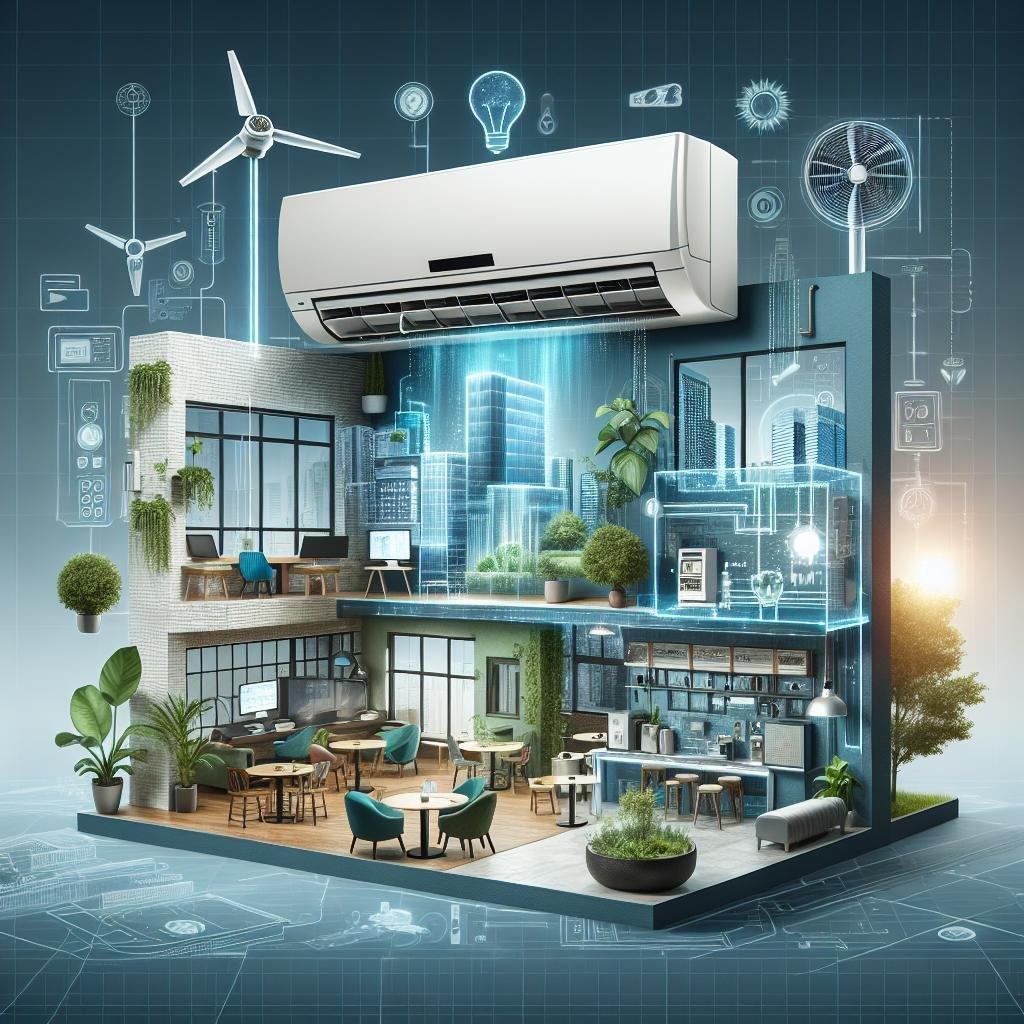
In the sweltering heat of summer or the biting chill of winter, efficient climate control is crucial for the comfort and productivity of commercial spaces. As businesses seek to create the ideal environment for both employees and customers, the demand for innovative air conditioning solutions has never been higher. enter mini split air conditioning systems—compact powerhouses that have evolved dramatically over the years. These systems not only offer flexible installation options and energy efficiency but also come packed with cutting-edge features that cater specifically to the needs of commercial applications. In this article, we will explore some of the most innovative advancements in mini split AC technology, highlighting how these features can transform workplaces, enhance energy savings, and ultimately redefine the way businesses approach indoor climate management. Whether you’re a facility manager, business owner, or simply interested in the latest in HVAC technology, this deep dive into the world of mini splits will unveil how these systems are setting new benchmarks in comfort and efficiency.
Exploring Inverter Technology for Enhanced Energy Efficiency
Inverter technology has revolutionized the way we think about energy consumption in mini split AC systems. By adjusting the compressor speed instead of constantly turning it off and on, these units achieve remarkable energy efficiency.Here are some key benefits of inverter technology:
- Variable Speed Operation: Unlike customary AC units, inverters can vary their output to match the cooling demand, resulting in less energy waste.
- Quieter Performance: With fewer starts and stops, inverter systems run more smoothly and quietly, enhancing the comfort of any commercial space.
- Longer Lifespan: By reducing the wear and tear on the compressor, inverter technology extends the life of the unit, leading to lower long-term maintenance costs.
Furthermore, the integration of inverter technology makes mini split AC systems increasingly suitable for diverse commercial applications, proving especially effective in buildings with varying occupancy levels. This adaptability leads to enhanced performance, ensuring optimal comfort throughout different times of the day. Consider these aspects when evaluating inverter-equipped systems:
| Feature | Standard System | Inverter System |
|---|---|---|
| Energy Consumption | Higher | Lower |
| Noise Level | Louder | Quieter |
| Comfort control | Limited | Enhanced |
As businesses increasingly prioritize sustainability, choosing mini split AC systems with inverter technology represents not just a smart financial decision but also a step towards environmentally amiable practices. Organizations looking to invest in cutting-edge cooling solutions will benefit significantly from the operational advantages offered by these innovative systems.
advanced Air Filtration Systems for Improved indoor Air Quality
In today’s commercial spaces, advanced air filtration systems are becoming indispensable for enhancing indoor air quality. HEPA filters are increasingly integrated into mini split AC units, ensuring that even the smallest particulate matter is captured, resulting in cleaner air for occupants. These filters can effectively remove allergens such as dust mites and pet dander,promoting a healthier environment—critical for offices,restaurants,and healthcare facilities. Moreover, systems equipped with activated carbon filters help eliminate odors, providing a fresher atmosphere that employees and customers alike will appreciate.
Moreover, humidity control is another sophisticated feature associated with modern air filtration technologies. Mini split ACs equipped with dehumidification modes can maintain optimal humidity levels, preventing the growth of mold and mildew while simultaneously enhancing thermal comfort. The inclusion of smart sensors enables these systems to adapt to real-time air quality conditions, automatically adjusting filtration intensity to ensure maximum efficiency. This proactive approach not only extends the lifespan of the HVAC systems but also can lead to notable energy savings.

Smart Thermostat integration for Seamless Control and Monitoring
Incorporating smart thermostat integration into mini split AC systems revolutionizes the way commercial spaces manage their climate control. With features that allow for seamless control and monitoring, these systems enhance energy efficiency and user comfort. Through advanced connectivity options, users can adjust temperature settings remotely via mobile apps, ensuring that any space maintains the ideal environment for occupants without the need for physical presence.Key features include:
- Remote access and control: Adjust settings and monitor energy usage from anywhere.
- Learning algorithms: Automatically adapts to user behavior for optimized energy consumption.
- Integration with smart home systems: Connects to existing devices for enhanced automation.
- Detailed energy analytics: Provides insights on system performance to reduce costs.
Moreover,integrating smart thermostats with mini split AC systems allows for customizable zoning options,catering to the specific needs of different areas within a commercial property. These advanced temperature control systems are not only user-friendly but also contribute to significant cost savings over time. the benefits extend beyond simple temperature regulation to include:
| Feature | Benefits |
|---|---|
| Geofencing technology | Automatically adjusts based on occupants’ location. |
| Scheduling capabilities | Set specific temperatures for different times of the day. |
| Alerts and notifications | Receive updates when maintenance is required or if temperatures deviate. |

Multi-Zone Capability for Custom Comfort in diverse Spaces
Modern commercial environments often demand tailored climate control solutions to cater to a variety of spaces.Multi-zone capability in mini split systems allows businesses to create individualized comfort zones within the same building, optimizing energy efficiency and enhancing overall satisfaction. This innovative feature enables users to:
- Customize temperature settings in different areas, ensuring that each zone meets specific needs.
- Minimize energy consumption by cooling or heating only occupied spaces.
- Control comfort levels easily via smart technology or remote controls, offering convenience for managers and staff alike.
By integrating advanced multi-zone functionality, mini split systems provide a versatile solution for various commercial applications—be it office spaces, retail establishments, or restaurant kitchens. Users can maximize their investment by selecting the right equipment that accommodates their unique layouts and operational requirements. The effectiveness of these systems can be further illustrated in the following table:
| Zone | Recommended Temperature (°F) | Ideal Application |
|---|---|---|
| Office Area | 72 | Workstations |
| Meeting Rooms | 68 | Conferences |
| Break Room | 75 | Leisure & Relaxation |
| Retail Space | 70 | Customer Comfort |
Q&A
Q: What are mini-split AC systems, and how do they function in commercial applications?
A: Mini-split AC systems are versatile cooling and heating solutions that consist of two primary components: an indoor unit and an outdoor compressor. Unlike traditional HVAC systems, they don’t require ductwork, making them ideal for retrofitting older buildings or supplementing existing systems.In commercial applications, they provide localized climate control, allowing businesses to optimize comfort in specific areas without over-conditioning unoccupied spaces.
Q: What are some of the most innovative features of mini-split AC systems designed for commercial use?
A: Contemporary mini-split systems boast several cutting-edge features, including variable refrigerant flow (VRF) systems, which allow for individual control of multiple zones while maintaining energy efficiency. Additionally, smart technology integration enables remote monitoring and control, often through mobile apps. Other innovative features include advanced filtration systems that enhance indoor air quality, and inverter technology that adjusts compressor speed to minimize energy consumption without sacrificing performance.
Q: How does variable refrigerant flow (VRF) technology improve efficiency in commercial settings?
A: VRF technology enhances efficiency by allowing the system to send varying amounts of refrigerant to different indoor units based on their specific cooling and heating needs. This means that areas with higher occupancy can receive more conditioned air, while less used zones can dial down their cooling, significantly reducing energy waste. This tailored approach not only improves comfort but can lead to substantial cost savings on energy bills in the long run.
Q: Can mini-split systems contribute to sustainability initiatives in commercial spaces?
A: Absolutely! Manny modern mini-split systems have high SEER (Seasonal Energy Efficiency ratio) ratings, indicating greater efficiency and lower energy consumption. Their ability to operate with less energy not only reduces greenhouse gas emissions but also aids in meeting sustainability goals. Additionally, the use of environment-friendly refrigerants and the ability to create zones means businesses can maximize efficiency while minimizing their carbon footprint.
Q: How significant is smart technology in the functionality of mini-split AC systems?
A: Smart technology plays a crucial role in the evolution of mini-split AC systems, especially in commercial applications. By incorporating IoT capabilities, these systems allow for real-time monitoring and reporting, enabling facility managers to track energy usage, adjust settings remotely, and receive alerts for maintenance needs. This proactive approach not only enhances user convenience but also ensures the longevity of the system and improved comfort for occupants.
Q: What are the advantages of advanced filtration systems in mini-split ACs?
A: Advanced filtration systems in mini-split ACs significantly improve indoor air quality, which is paramount in commercial settings where large numbers of people gather. Many of these filters can capture allergens, dust, and even bacteria, ensuring cleaner air circulation. This not only helps in maintaining a healthy environment but can also lead to increased productivity and reduced absenteeism among employees, making it a vital feature for any business.
Q: Are there specific considerations businesses should keep in mind when choosing a mini-split AC system?
A: Yes, businesses should consider factors such as the size and layout of their space, the cooling/heating load requirements, and the potential for future expansion. Additionally, understanding the system’s energy efficiency ratings, maintenance needs, and compatibility with existing infrastructure are essential.Consulting with HVAC professionals can provide valuable insights that lead to choosing the most appropriate system tailored to the business’s specific needs.
Q: In what ways can mini-split systems enhance employee comfort and productivity?
A: Mini-split systems facilitate precise temperature control that can be adjusted according to individual preferences in different zones. This personalization creates a agreeable working environment that fosters employee satisfaction and productivity. Additionally, their quiet operation minimizes noise disruptions, contributing to a more focused workplace atmosphere. Ultimately, a well-implemented climate control solution can have a direct positive impact on employee morale and efficiency.—
This Q&A format provides informative and engaging insights into the innovative features of mini-split AC systems for commercial applications, making it relevant for businesses looking to enhance their HVAC strategies.
In summary
As the demand for efficient climate control solutions in commercial settings continues to grow,mini split air conditioning systems are stepping into the spotlight with an array of innovative features that cater to the unique needs of businesses.From advanced inverter technology that enhances energy efficiency to smart connectivity options that empower business owners to control their environments at the touch of a button, these systems are redefining the standards of comfort and convenience in commercial spaces.
As we’ve explored throughout this article, the latest advancements in mini split AC technology not only promise optimal performance but also contribute to sustainability efforts and cost savings. Whether you’re managing a bustling restaurant, a retail space, or an office environment, understanding these cutting-edge features will equip you with the knowledge to make informed decisions about your cooling system needs.
In a world where comfort and operational efficiency play pivotal roles in business success, investing in mini split AC units with the most innovative features is no longer a luxury—it’s a necessity. As you look to the future, consider how these technologies can enhance your commercial space, ensuring a more productive, pleasant atmosphere for both employees and customers alike.Let’s embrace the evolution of air conditioning and discover the endless possibilities that lie ahead.