

As the temperatures rise and the need for a comfortable learning environment becomes paramount, schools and educational facilities are seeking innovative solutions to keep their spaces cool and conducive to learning. Enter mini split air conditioning systems—compact, efficient, and versatile units that are transforming the way modern educational institutions address temperature control. From bustling classrooms to serene libraries, these systems offer a tailored approach to cooling that enhances the learning atmosphere without compromising architectural integrity or budget constraints. In this article, we will explore the top mini split AC solutions available for schools, highlighting their benefits, unique features, and the role they play in fostering an optimal educational experience. Join us as we delve into the world of climate comfort and discover how these systems are becoming essential assets for schools across the globe.
Choosing the Right Mini Split AC System for Educational Environments
When selecting a mini split AC system for educational environments, it’s essential to focus on several key factors that ensure comfort, efficiency, and ease of use. First and foremost, consider the capacity of the unit. It’s important to calculate the BTU requirements based on the size of the rooms and the number of students occupying them. A well-sized unit will maintain an optimal temperature without overworking itself, leading to lower energy bills and improved longevity. Additionally, look for systems with multi-zone capabilities that allow for temperature adjustments in different areas simultaneously, catering to the varying needs of classrooms, libraries, and administrative spaces.
Another crucial aspect is the noise level produced by the mini split system, as excessive sound can distract students and hinder concentration. Opt for models that offer silent operation or low decibel ratings, which are vital in maintaining a conducive learning environment. Furthermore, consider the energy efficiency ratings (EER and SEER) to maximize savings on utility costs. Investing in units with advanced features, like smart thermostats or Wi-Fi connectivity, can provide teachers and administrators with greater control over the climate while enhancing user comfort. Below is a simple comparison of key features to consider:
| Features | Importance |
|---|---|
| BTU Capacity | Ensures proper cooling/heating based on room size |
| Multi-Zone Capability | Allows customized climate control in different areas |
| Noise Level | Affects the learning environment |
| Energy Efficiency Rating | Reduces operating costs over time |
| Smart Features | Enhances user control and comfort |
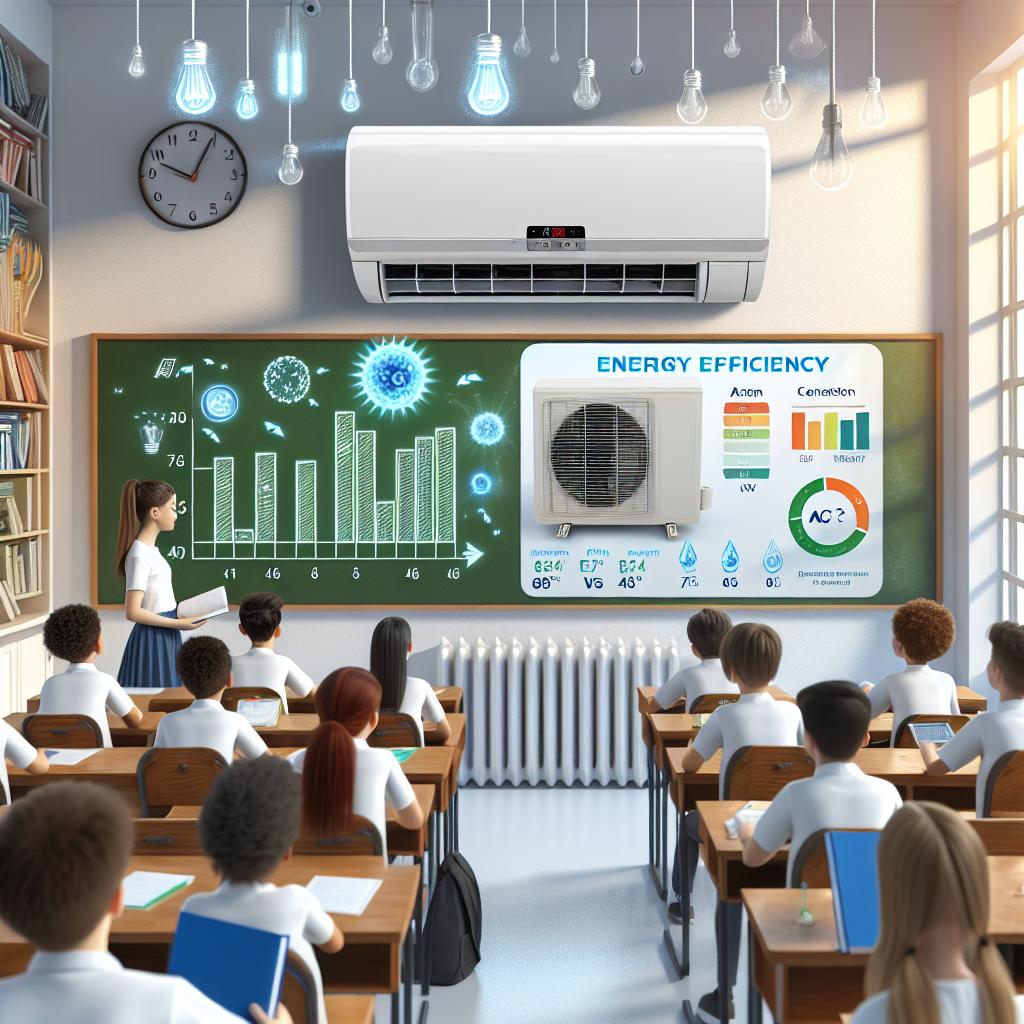
Energy Efficiency in Mini Split Air Conditioning for Schools
Implementing mini split air conditioning systems in schools offers significant benefits in terms of energy efficiency and environmental sustainability. These systems boast variable-speed compressors, allowing for precise temperature control that adheres closely to the room’s requirements. This not only enhances comfort but also drastically reduces energy consumption compared to traditional HVAC systems. Some key features that contribute to their efficiency include:
- Zone Control: Individual classroom management reduces unnecessary cooling and heating.
- Inverter Technology: Maintains consistent temperatures without overexerting energy resources.
- Eco-Friendly Refrigerants: Many models utilize environmentally safe refrigerants, minimizing harmful emissions.
Furthermore, regular maintenance and smart scheduling of these mini split systems can optimize their performance significantly. Schools can benefit from a few simple practices like:
- Routine Filter Changes: Clean filters improve airflow and reduce energy use.
- Seasonal Inspections: Understanding when to operate cooling vs. heating mode maximizes efficiency.
- Usage Monitoring: Smart thermostats allow real-time monitoring and adjustments based on occupancy.
| Feature | Benefit |
|---|---|
| Zone Control | Targeted temperature regulation, reducing energy waste. |
| Inverter Technology | Saves energy by adjusting compressor speed. |
| Eco-Friendly Refrigerants | Lower environmental impact. |
Maintenance Best Practices to Ensure Longevity and Performance
To maximize the lifespan and efficiency of your mini-split AC systems in educational facilities, adhering to essential maintenance procedures is crucial. Regular filter changes should be scheduled every 1 to 3 months, depending on usage, to prevent dust and allergens from accumulating. Other maintenance tasks include:
- Cleaning the outdoor unit: Remove debris and foliage that block airflow.
- Checking refrigerant levels: Ensure optimal performance and energy efficiency.
- Inspecting electrical components: Regularly check for loose connections and wear.
Additionally, performing an annual professional tune-up can preemptively address issues that may arise. A qualified technician can conduct a thorough examination, including:
| Inspection Aspect | Purpose |
|---|---|
| Coil Cleaning | Enhances cooling efficiency |
| Drain Line Check | Prevents water damage and mold growth |
| Thermostat Calibration | Ensures accurate temperature control |
Involving staff in regular visual inspections can also help spot minor issues before they escalate. Armed with a proactive maintenance plan, educational institutions can provide a comfortable learning environment while ensuring that their mini-split systems operate at peak performance.

Impact of Mini Split AC on Student Comfort and Learning Outcomes
Implementing mini split air conditioning systems in schools can significantly enhance the overall environment for students and educators alike. By maintaining optimal temperatures, these units reduce discomfort caused by extreme weather conditions, leading to less distraction and greater focus during lessons. The adjustable nature of mini split systems allows for customized cooling, enabling different areas of a classroom or facility to be conditioned to meet specific needs and preferences. This flexibility promotes a more inclusive learning environment, catering to the varying needs of students and teachers who may have different comfort levels.
Furthermore, a comfortable classroom environment directly correlates with improved learning outcomes. Studies have shown that when students are physically comfortable, they are less likely to experience fatigue and more likely to engage actively in their educational experience. Key benefits include:
- Enhanced Concentration: A pleasant atmosphere fosters better focus on tasks.
- Reduced Stress: Stable temperatures lower anxiety levels, allowing students to perform at their best.
- Increased Attendance: Comfortable conditions can decrease absenteeism caused by discomfort or health issues.
To illustrate these advantages, the following table summarizes the benefits of mini split systems in educational settings:
| Benefit | Description |
|---|---|
| Temperature Control | Provides individualized temperature settings for different rooms. |
| Energy Efficiency | Reduces energy costs without compromising comfort. |
| Noise Reduction | Quiet operation minimizes distractions during learning. |
Q&A
Q&A: Top Mini Split AC Solutions for Schools and Educational Facilities
Q: What are mini split air conditioning systems and how do they work?
A: Mini split air conditioning systems are versatile cooling solutions that consist of two main components: an outdoor compressor and one or more indoor air handling units. They operate on the principle of heat exchange; the outdoor unit absorbs heat from the indoor air and transfers it outside, effectively cooling the environment. This ductless design allows for tailored temperature control in individual classrooms or spaces, enhancing comfort while improving energy efficiency.
Q: Why should schools consider mini split AC systems over traditional HVAC systems?
A: Schools should consider mini split systems for several reasons: they offer flexibility in cooling multiple spaces independently, require minimal installation disruptions, and generally have lower energy costs due to their zone cooling capabilities. Additionally, their compact size makes them ideal for facilities where space is at a premium, and their quiet operation contributes to a better learning environment.
Q: What are the key benefits of using mini split AC systems in educational settings?
A: The key benefits include individualized climate control, which allows classrooms to maintain optimal learning conditions tailored to the needs of students and staff. Their energy efficiency helps reduce overall operational costs, and the absence of ductwork minimizes the risks of air quality issues associated with traditional HVAC systems. Furthermore, many mini split units now include advanced air filtration systems, enhancing indoor air quality – a critical factor in health-focused environments like schools.
Q: How do mini split systems contribute to energy efficiency in schools?
A: Mini split systems contribute to energy efficiency by allowing for zoning, meaning that only the spaces being utilized can be cooled or heated. They typically feature inverter technology, which adjusts the compressor speed to maintain desired temperatures without the constant on-off cycling of traditional systems. This results in less energy consumption and lower utility bills, making them an economically sound choice for budget-conscious educational institutions.
Q: Are there any challenges associated with installing mini split AC systems in schools?
A: While mini split systems are generally easy to install, some challenges may arise, such as the need for an outdoor unit placement that minimizes noise and visual disruption. Additionally, schools must address concerns regarding maintenance access and the aesthetics of indoor units. However, these challenges can often be mitigated through careful planning and consultation with HVAC professionals to identify the best solutions that fit the school’s layout and needs.
Q: How do schools choose the right mini split AC system for their needs?
A: Schools should consider several factors when choosing a mini split AC system, including the size of the space to be cooled, the building’s insulation and orientation, and the specific cooling requirements of different areas (like auditoriums vs. classrooms). Consulting with HVAC experts can provide valuable insights into the appropriate capacity and the number of indoor units needed to ensure optimal climate control throughout the facility.
Q: Are there any notable examples of schools successfully implementing mini split AC solutions?
A: Yes, many schools across the country have adopted mini split AC systems with great success. For instance, some districts in warmer climates have retrofitted older buildings with these systems to provide efficient cooling without extensive renovation. Schools in urban areas have reported reduced energy costs and improved comfort levels, enhancing the overall educational experience for students and staff alike.
Q: What should schools be aware of regarding maintenance for mini split AC systems?
A: Regular maintenance is key to ensuring the longevity and efficiency of mini split AC systems. Schools should schedule periodic professional inspections and cleaning to keep filters, coils, and drains in optimal condition. Additionally, they should educate staff on simple upkeep tasks, such as filter replacements, to maintain air quality and system performance throughout the academic year.
Q: Are there available incentives or programs for schools looking to invest in mini split systems?
A: Many regions offer incentives for schools that invest in energy-efficient systems, including rebates or grants aimed at reducing initial installation costs. Schools should research local utility companies, government programs, or educational grants that may assist in funding for the adoption of mini split AC units, which can further enhance their financial decision-making process.
By exploring these Q&A insights, educational facilities can better understand how mini split AC solutions can transform their climates and improve learning environments.
To Conclude
As we conclude our exploration of the top mini split AC solutions for schools and educational facilities, it’s clear that the quest for a comfortable learning environment transcends mere temperature control. These systems not only enhance the climate within classrooms but also foster a setting conducive to focus, creativity, and productivity. By investing in efficient and adaptable cooling solutions, educational institutions can cultivate a haven where both students and educators thrive, unencumbered by the distractions of fluctuating temperatures.
In a world where the importance of a conducive learning atmosphere cannot be overstated, these mini split systems serve as vital allies in the pursuit of educational excellence. As schools continue to adapt to the changing dynamics of education, the right air conditioning solution stands as a steadfast partner, ensuring that every mind has the opportunity to flourish. Embrace the future of climate control in education, and watch as comfort leads to innovation and academic achievement.