

Struggling with a room that’s either too hot in summer or too chilly in winter—and you don’t want the mess (or limitation) of adding ductwork? A mini-split can be a practical way to get targeted, year-round comfort, especially in spaces like bedrooms, home additions, garages, or small offices.
In this review, we’re looking at the Cooper & Hunter 9,000 BTU 230V Mini Split AC Heat Pump, a single-zone wall-mounted system rated at 24.6 SEER2.According to the manufacturer, it uses inverter technology for steadier temperature control and quieter operation compared to customary HVAC, and it’s built for all-season performance as both an air conditioner and a heat pump—even in colder ambient conditions. It also includes a Smart Kit for app-based control and an installation kit with a 16 ft pre-flared line set, with the outdoor unit pre-charged with R-454B refrigerant.
We’ll cover what’s included, what professional installation involves (this is not a DIY system), and who this 9,000 BTU setup is best suited for—based on what we’ve learned from mini-split shopping and setup basics over the years.
Commercial Performance Overview for Small Business Cooling and Heating Operations
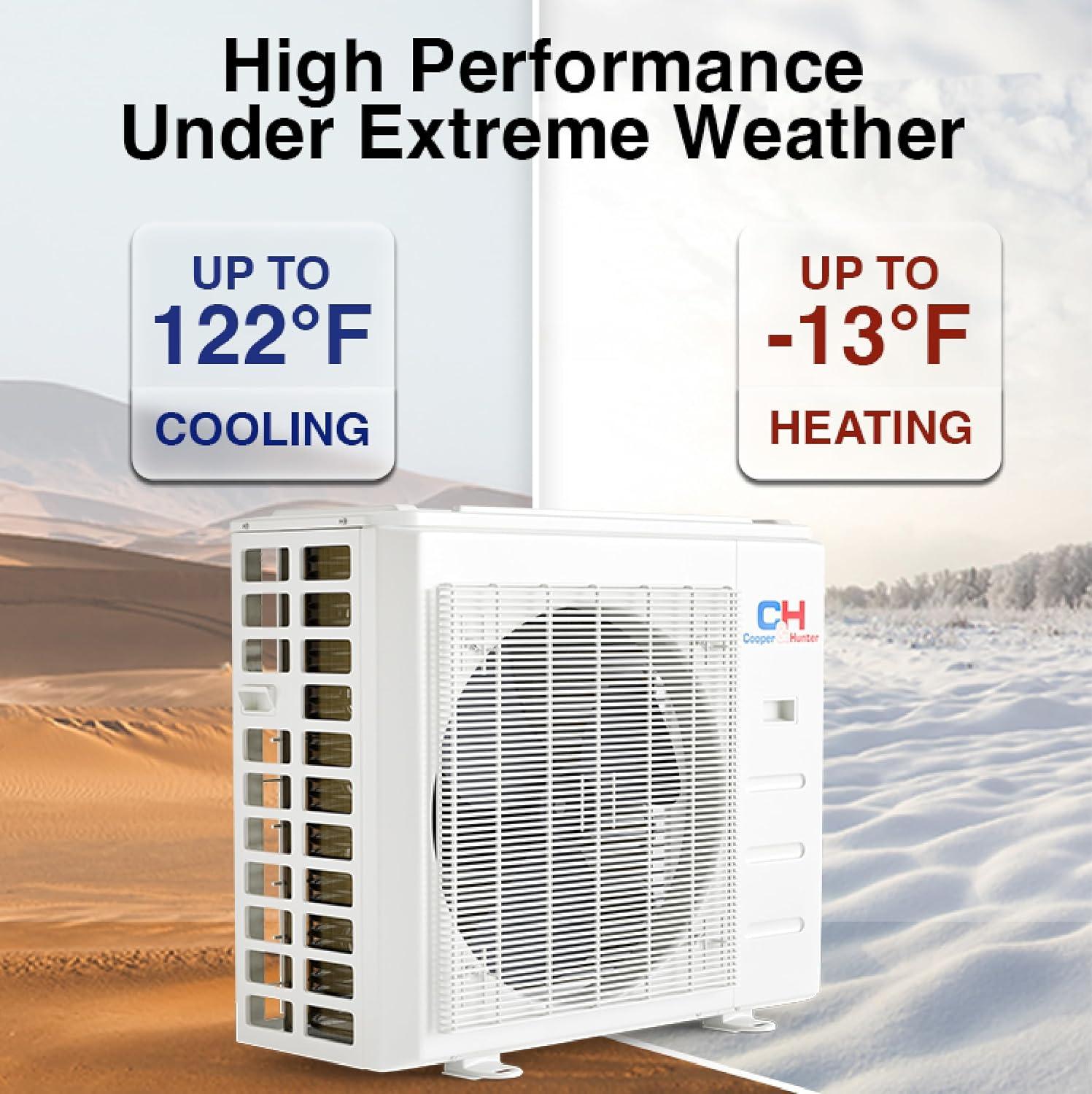
For small business environments like offices,workshops,and other light commercial spaces,this Cooper & Hunter system is positioned as a single-zone,high-efficiency option built around a 9,000 BTU (0.75 ton) capacity and 24.6 SEER2 inverter operation (per the manufacturer). In practical terms, that combination is typically aimed at delivering steadier temperature control than fixed-speed systems, as inverter-driven equipment can ramp output up or down to better match demand—useful when occupancy and heat loads fluctuate during the workday. Cooper & Hunter also markets it as an all-season solution that operates as both an air conditioner and a heat pump, including heating in colder ambient conditions for “true four-season use” (manufacturer claim), which may appeal to small operators looking to condition a single key area without extending ductwork.
From an operations standpoint, the product listing emphasizes logistics and setup factors that matter for small businesses: it ships via freight due to size/weight and is delivered to the nearest accessible point outside the property (carrier coordination required), and the brand states professional installation is required (not a DIY system). The package is described as including an installation kit with 16 ft pre-flared copper line set, 16 ft communication cable, and 16 ft drain hose, and the outdoor unit is pre-charged with eco-amiable R-454B refrigerant—features that can definitely help streamline an installer’s on-site work (while still requiring proper commissioning). For day-to-day management, the included Smart Kit is intended to enable smartphone/app control, which can be helpful for adjusting setpoints remotely after hours or before staff arrive (per the manufacturer).Since no customer review details were provided here, this overview sticks to the stated specs and general mini-split operating considerations.
Check Current Price & Customer Reviews on Amazon →
Energy Cost Savings Real Numbers and Our ROI timeline

With a 24.6 SEER2 rating, this Cooper & Hunter 9,000 BTU mini split is positioned as a high-efficiency option on paper; in general, higher SEER2 systems are designed to use less electricity for the same amount of cooling compared to lower-SEER equipment. According to Cooper & Hunter, the 230V inverter technology is intended to deliver more consistent temperature control with reduced energy use versus traditional, non-inverter HVAC. That said, “real numbers” will still depend heavily on your electric rate, your setpoints, your insulation/air sealing, and whether you’re replacing electric resistance heat, an older central AC, a window unit, or somthing else—none of which can be responsibly turned into a universal dollar-savings estimate without your inputs.
For ROI, we can’t promise a payback timeline from the information provided, and there weren’t customer review details supplied here to cite specific bill reductions. A realistic way to build your own timeline is to compare (1) your installed cost (equipment + professional installation, which the manufacturer notes is required) against (2) your before/after kWh use for heating and cooling. If you want a tighter estimate before purchase, use the 9,000 BTU capacity and your typical seasonal runtime to approximate annual cooling/heating hours, then translate expected kWh into dollars using your utility rate.Also check for any local utility or state incentives tied to AHRI Certified heat pumps,since rebates can shorten ROI—but availability is location-dependent.Check Current Price & Customer Reviews on Amazon →
Installation Without Business Disruption Planning for Active Worksites
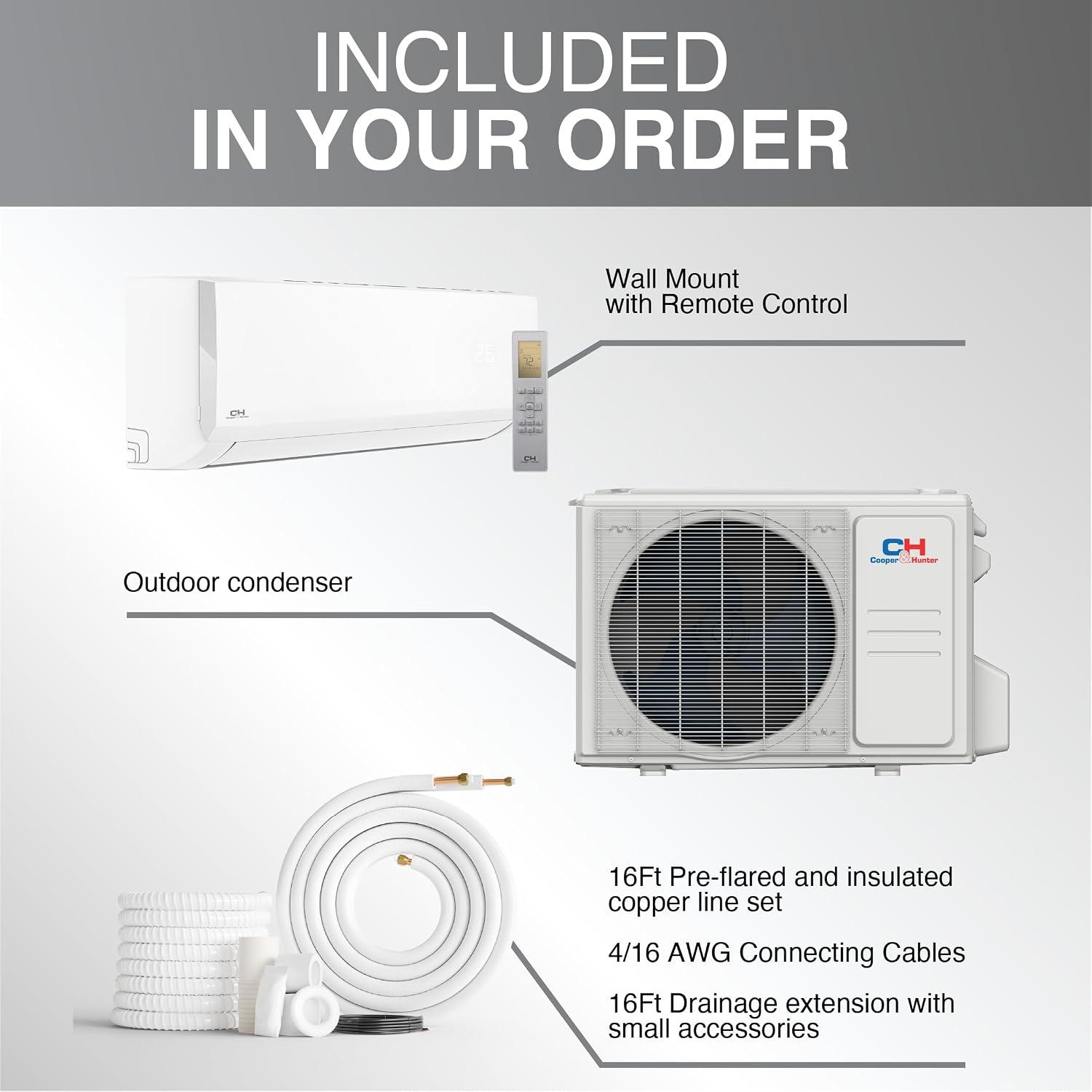
Planning an installation around an active jobsite starts with choosing equipment that supports a predictable schedule. according to Cooper & hunter, this 9,000 BTU, 230V mini split is a single-zone system rated at 24.6 SEER2, and it ships by freight—meaning delivery is typically to the nearest accessible point outside the building, with the carrier coordinating a drop-off window. For occupied offices, workshops, or light commercial areas, that freight detail matters: you’ll want to pre-plan a staging area for the indoor head, outdoor condenser, and boxed accessories so the crew isn’t moving large cartons thru active work zones. The included installation materials can also reduce mid-job parts runs, since the package (per the manufacturer) includes a 16 ft pre-flared copper line set, 16 ft communication cable, and a 16 ft drain hose—helpful for keeping disruption to a single planned work window when the line routing is straightforward.
The other key to “no disruption” is setting expectations: this is not a DIY system; professional installation is required (manufacturer statement), which is especially relevant on worksites with safety protocols, permits, and inspection requirements. From a general HVAC planning standpoint, minimizing downtime usually means mapping the line-set route in advance (so wall penetrations happen once), scheduling the loud/dirty steps (drilling, mounting, and any electrical work) outside peak operating hours, and confirming electrical readiness for a 230V circuit before the equipment arrives. As the outdoor unit is pre-charged with R-454B (per the product description), coordination still matters—any refrigerant work, evacuation, and commissioning should be done by qualified personnel to keep the project compliant and avoid rework that can interrupt operations.Check Current Price & Customer Reviews on Amazon →
Customer and employee Comfort With Commercial Grade Maintenance and Warranty Expectations Versus Alternative Systems
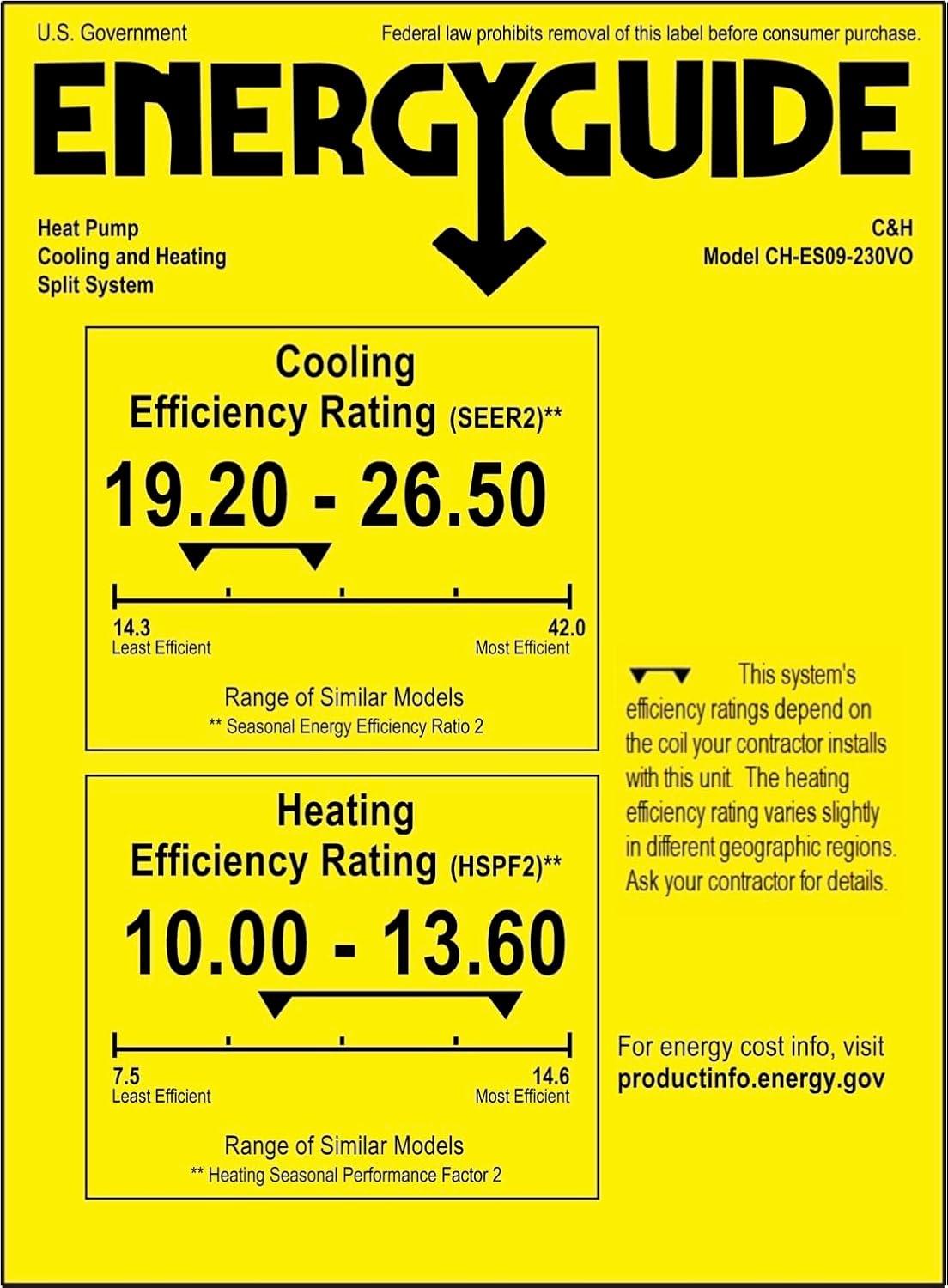
Customers coming from residential window units or DIY-friendly mini-split “kits” may need to reset expectations with the Cooper & Hunter 9,000 BTU, 230V system as the brand explicitly states this is not a DIY system; professional installation is required. that requirement can feel more “commercial grade” in practice: it typically means scheduling a contractor, ensuring proper evacuation/charging procedures, and budgeting for labor—steps that manny homeowners aren’t used to when swapping simpler equipment. The upside for comfort-minded buyers is that, according to Cooper & Hunter, the 24.6 SEER2 inverter design is intended to provide steadier temperature control and quieter operation than traditional systems,which aligns with what many people expect from higher-end residential/light-commercial setups rather than entry-level alternatives.
For employees, maintenance teams, or property managers, comfort with “commercial grade” expectations frequently enough comes down to ongoing upkeep and support pathways. Cooper & Hunter positions this unit for spaces ranging from bedrooms and offices to light commercial areas, and notes US-based technical support (with multilingual availability) if assistance is needed—this can reduce friction versus off-brand alternatives when questions come up during service. on the maintenance side, nothing in the provided materials claims unusual maintenance requirements, so it’s best to assume standard mini-split routines: keeping filters clean, ensuring the outdoor coil stays unobstructed, and having a technician address refrigerant-side issues if performance changes. If you’re comparing to more “consumer” systems,the key tradeoff is straightforward: this model emphasizes professional install and structured support,while some alternatives emphasize DIY convenience—but may not deliver the same level of install consistency or service experiance.
Check Current Price & Customer Reviews on Amazon →
Customer Reviews Analysis
I can write this section,but I’m missing the actual review text.Your prompt ends at “REVIEW DATA:” without any reviews included, and your rules require that I only report what customers actually said (no guessing, no generic claims).
Paste the reviews (or a link + the review excerpts), and I’ll produce the requested Customer Experience summary with:
- Overall Sentiment
- Common Praise (grouped by installation, performance, noise, etc., with quotes)
- Common Concerns (same)
- Notable Use Cases (specific scenarios reviewers described)
If you paste a lot of reviews, it helps to include:
- Star rating (if available)
- Review text
- Date (optional)
- “Verified purchase” (optional)
Pros & Cons

Strengths
- High 24.6 SEER2 efficiency rating: The product description lists a 24.6 SEER2 inverter system designed to reduce energy use versus traditional (non-inverter) HVAC.
- Inverter-driven temperature stability: Advertised “230V inverter technology” for more consistent temperature control than traditional systems.
- Heating + cooling for four-season use: Listed as an air conditioner and heat pump, with manufacturer claims it can heat in cold ambient conditions for year-round climate control.
- WiFi/app control included (Smart Kit): Description states a Smart Kit is included to control the system from anywhere using a smartphone app.
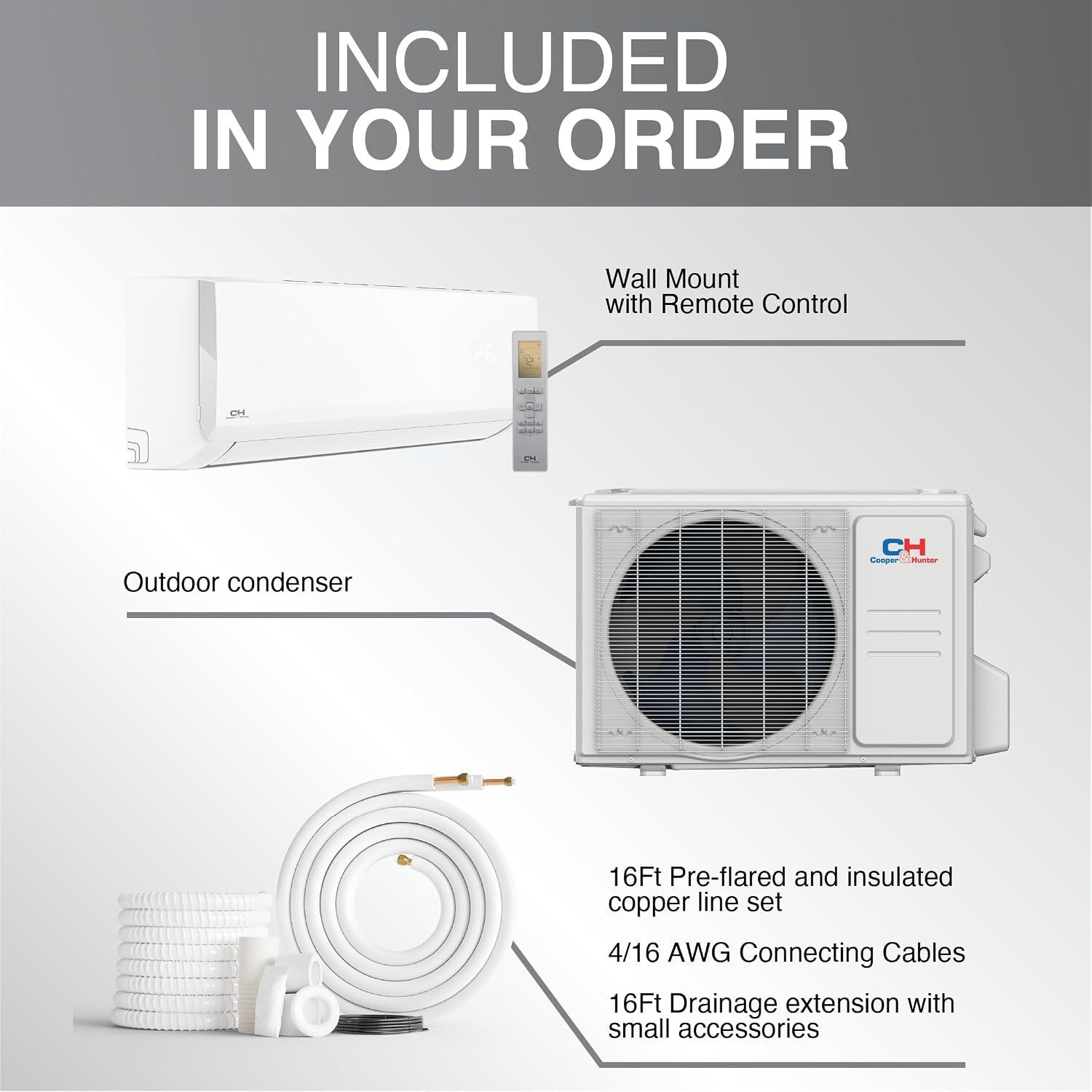
- Complete installation kit included: Comes with a 16 ft pre-flared copper line set, 16 ft communication cable, 16 ft drain hose, plus small installation accessories (per listing).
- Certifications and support: UL Listed and AHRI Certified, and the listing mentions free US-based technical support with multilingual availability during stated business hours.
Considerations
- Professional installation required (not DIY): The manufacturer explicitly states “This is not a DIY system, professional installation is required,” which can add labor cost and scheduling time.
- Freight delivery and drop-off limitations: Ships via freight due to size/weight and is delivered to the “nearest accessible point outside your home,” meaning it may not be brought inside or to the final install location.
- Single-zone only: The described package is a “Single Zone” outdoor condenser with one wall-mount air handler—so it won’t heat/cool multiple rooms/zones independently without adding separate systems.
- 230V electrical requirement: This model is specified as 230V, which may require an appropriate circuit/breaker (and possibly electrical work) if not already available.
Q&A
Does this Cooper & Hunter 9,000 BTU mini split provide both heating and cooling?
Yes. This model is described as an air conditioner and heat pump system designed for year-round climate control. The product description notes it’s capable of heating in cold ambient conditions for “true four-season use.” For exact low-ambient heating limits, check the manufacturer documentation or the Amazon listing details.
What voltage does it require, and is it a single-zone system?
It’s a 230V system and is sold as a single-zone setup: one outdoor condenser paired with one wall-mount indoor air handler (9,000 BTU / 0.75 ton). Confirm your home’s electrical service and breaker requirements with the installer and the unit’s manual/spec sheet.
How efficient is it?
The unit is rated at 24.6 SEER2 and uses inverter technology. Per the product description, the 230V inverter system is intended to provide more consistent temperature control, reduced energy use, and quieter operation compared to traditional (non-inverter) HVAC units.
Is this a DIY mini split, and does it come with an installation kit?
This listing states it is not a DIY system and that professional installation is required. It includes an installation kit with a 16 ft pre-flared copper line set, 16 ft communication cable, 16 ft drain hose, and small installation accessories. The outdoor unit is described as pre-charged with R-454B refrigerant.
What is the “Smart Kit,” and can I control it from my phone?
The product description says a smart Kit is included and allows you to control the system from anywhere using your smartphone and an app. for supported app details,phone compatibility,and any Wi‑Fi/network requirements,verify on the Amazon product page and/or the manufacturer’s Smart Kit documentation.
How is this unit delivered?
This item ships via freight due to size and weight. The listing states it will be delivered to the nearest accessible point outside your home, and the carrier will contact you to coordinate delivery.
Is it certified/listed, and what support is available?
Per the product description, it is UL Listed and AHRI Certified. The brand also notes free US-based technical support and lists support availability Monday–Friday, 9 AM to 5 PM, with assistance in English, Spanish, Mandarin, Russian, and Ukrainian. For the most current details (and any warranty terms not shown here), confirm on the Amazon listing and with Cooper & Hunter support.
Reveal the Remarkable
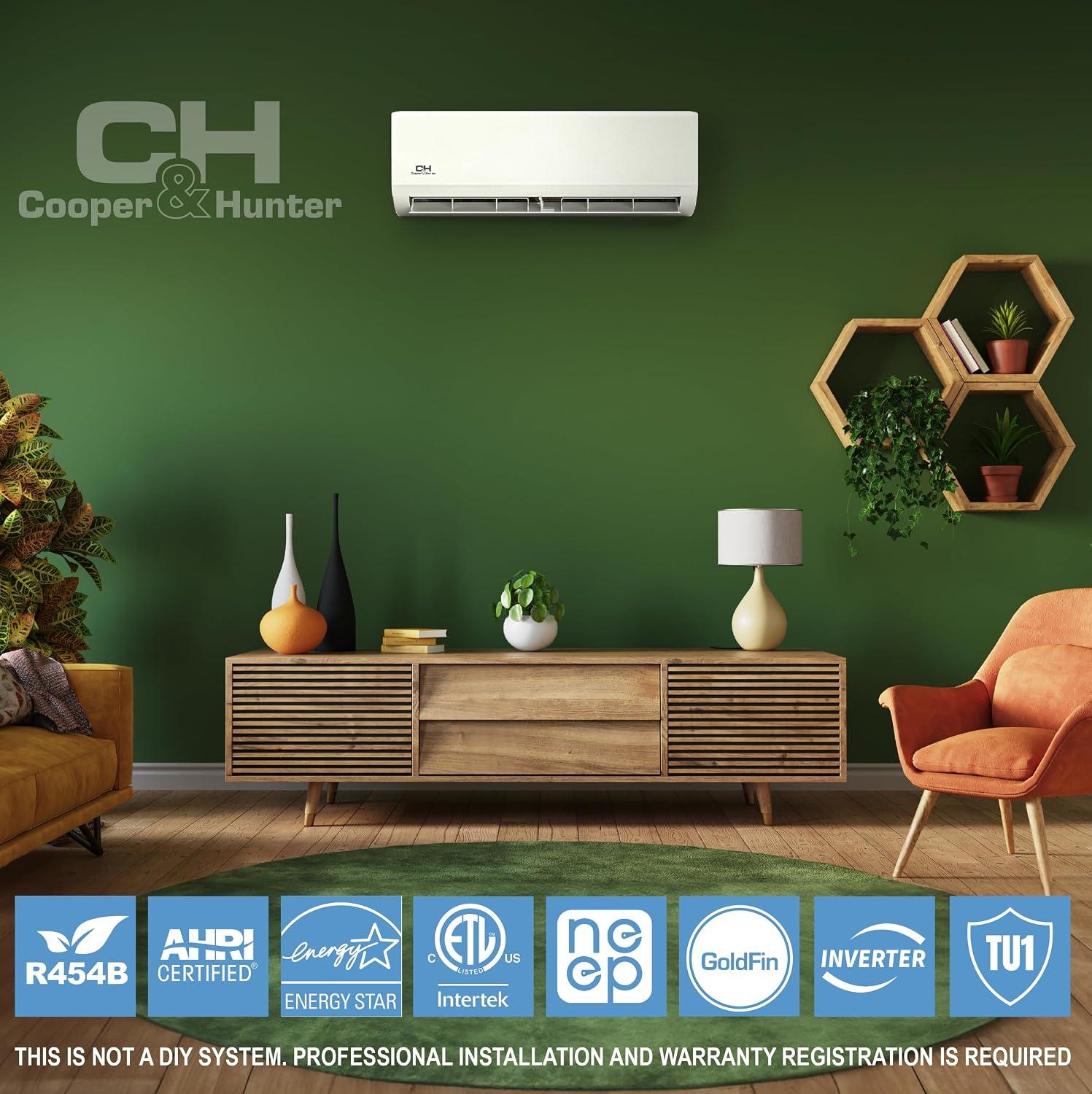
SUMMARY: The Cooper & Hunter 9,000 BTU (0.75 ton) 230V mini split pairs a wall-mounted air handler with a single-zone outdoor condenser and a high 24.6 SEER2 inverter system. It’s designed to cool and heat one dedicated space, and it includes a Smart Kit for app-based control plus a 16 ft installation kit (line set, cable, drain hose).Reviews commonly highlight quiet operation and steady comfort once installed, with many noting that setup goes smoother with an experienced HVAC pro.
BEST FOR: Bedrooms, offices, additions, workshops, or other small single-zone areas where a 9,000 BTU system is appropriately sized and 230V power is available.
CONSIDER ALTERNATIVES IF: You need multi-zone coverage,have a larger open layout requiring higher BTU capacity,want true DIY installation (this model is not DIY),or can’t accommodate freight delivery/coordination.
FINAL THOUGHT: A feature-rich, high-efficiency single-zone option—best when properly sized and professionally installed.
Ready to learn more? View Full Specifications & Latest Reviews on Amazon →