
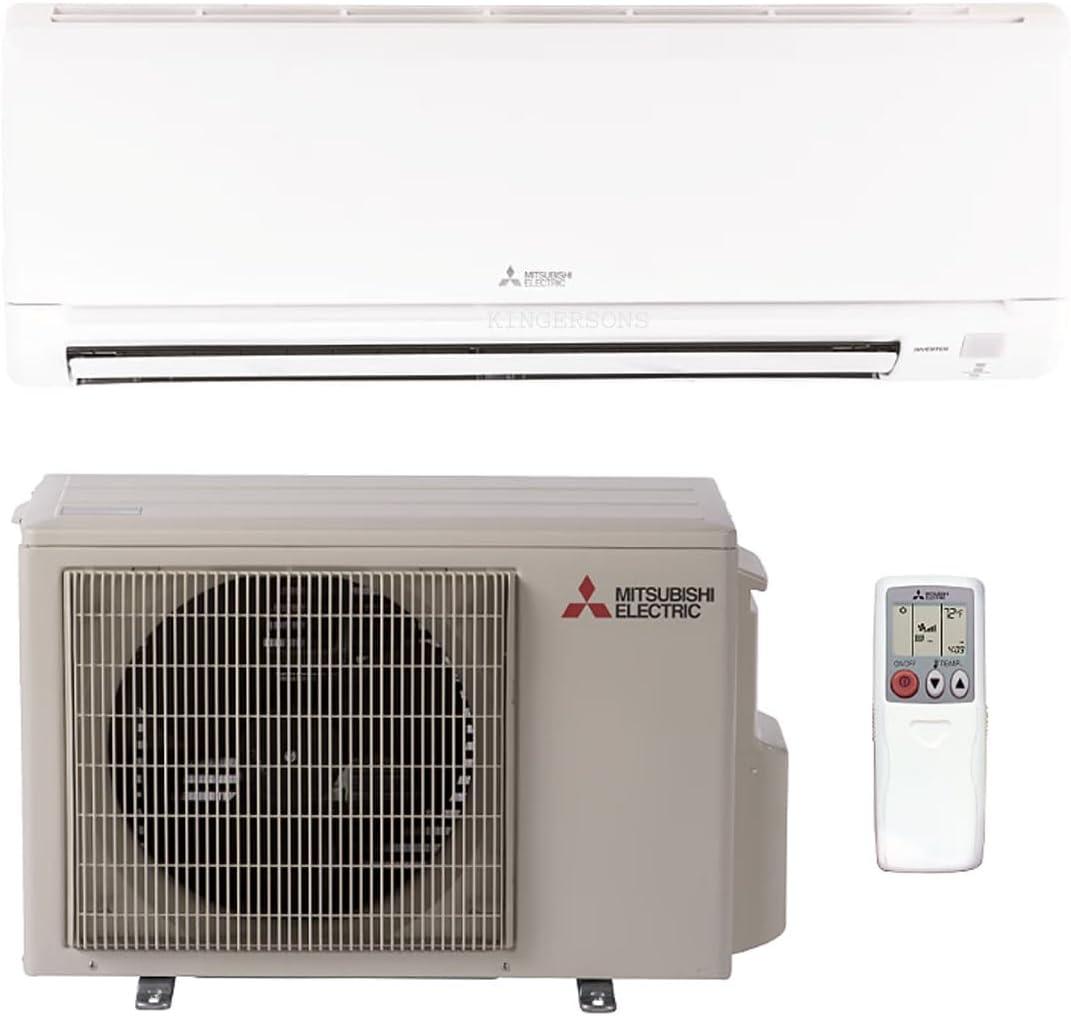
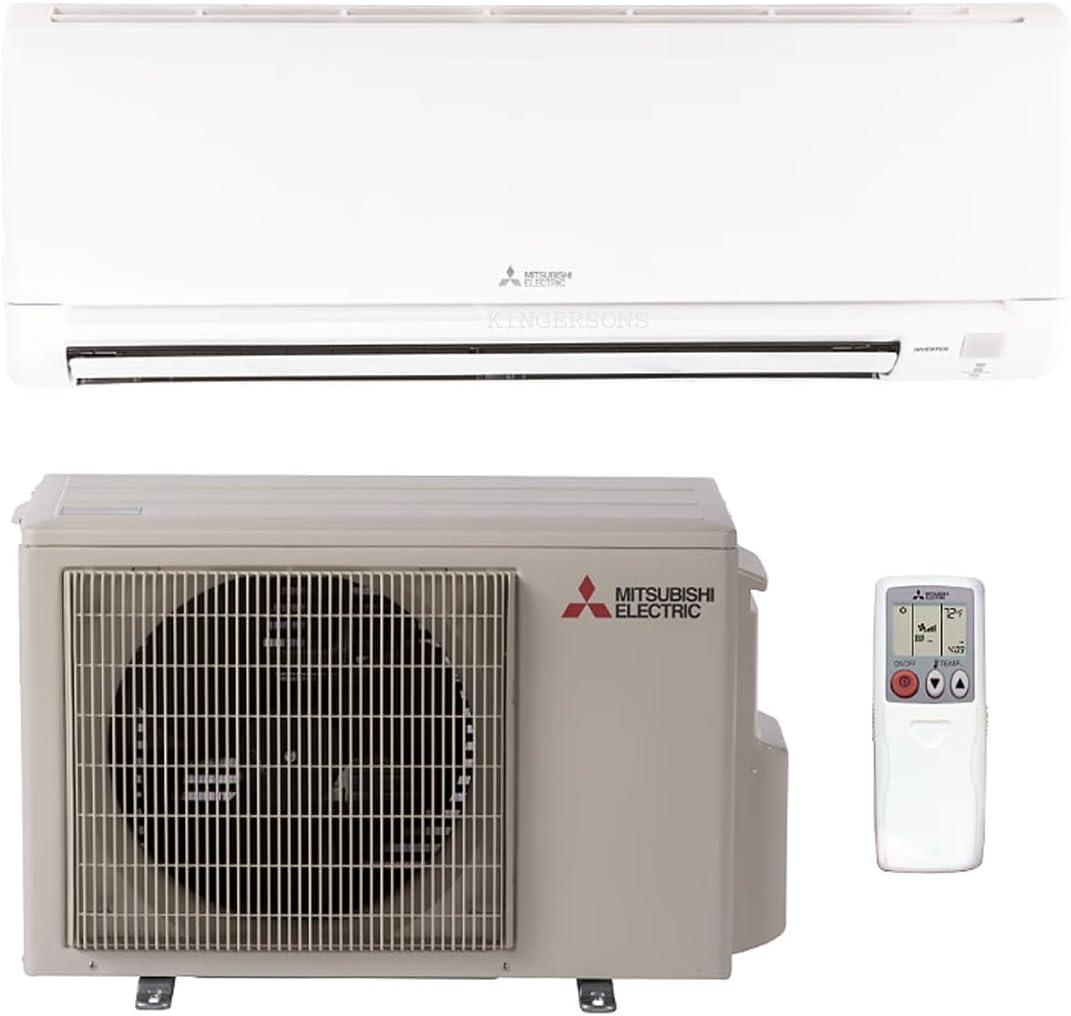
Tired of hot-and-cold spots, loud window units, or trying to cool a space that never seems to match the thermostat? If you’re looking for a ductless option that can handle both summer heat and winter chill, this Mitsubishi 24,000 BTU (2 Ton) wall-mount ductless mini-split is built for single-zone comfort without installing ductwork.
This is a NEW inverter-driven Cool & Heat Pump system rated at SEER 18, designed for rooms up to about 1,000 sq ft (per the product description). It includes features like multiple fan speeds (Quiet through Super High), dehumidifying mode, jet Cool, auto restart after outages, a handheld remote, a 12-hour timer, and Mitsubishi’s anti-corrosion “blue fin” style coating treatment on the outdoor unit’s heat exchanger fins.
In this review, we’ll break down what the specs and features mean in real-life use—comfort control, noise expectations, humidity management, and install considerations—plus what customers commonly highlight, such as quiet operation and consistent temperatures.
we’ve researched and compared many ductless mini-split systems over the years, so we’ll focus on practical decision points. Note: installation should be handled by a qualified, licensed HVAC technician, and the manufacturer warranty is parts-only.
Commercial Performance Overview for Our Business Operations and High Traffic Loads
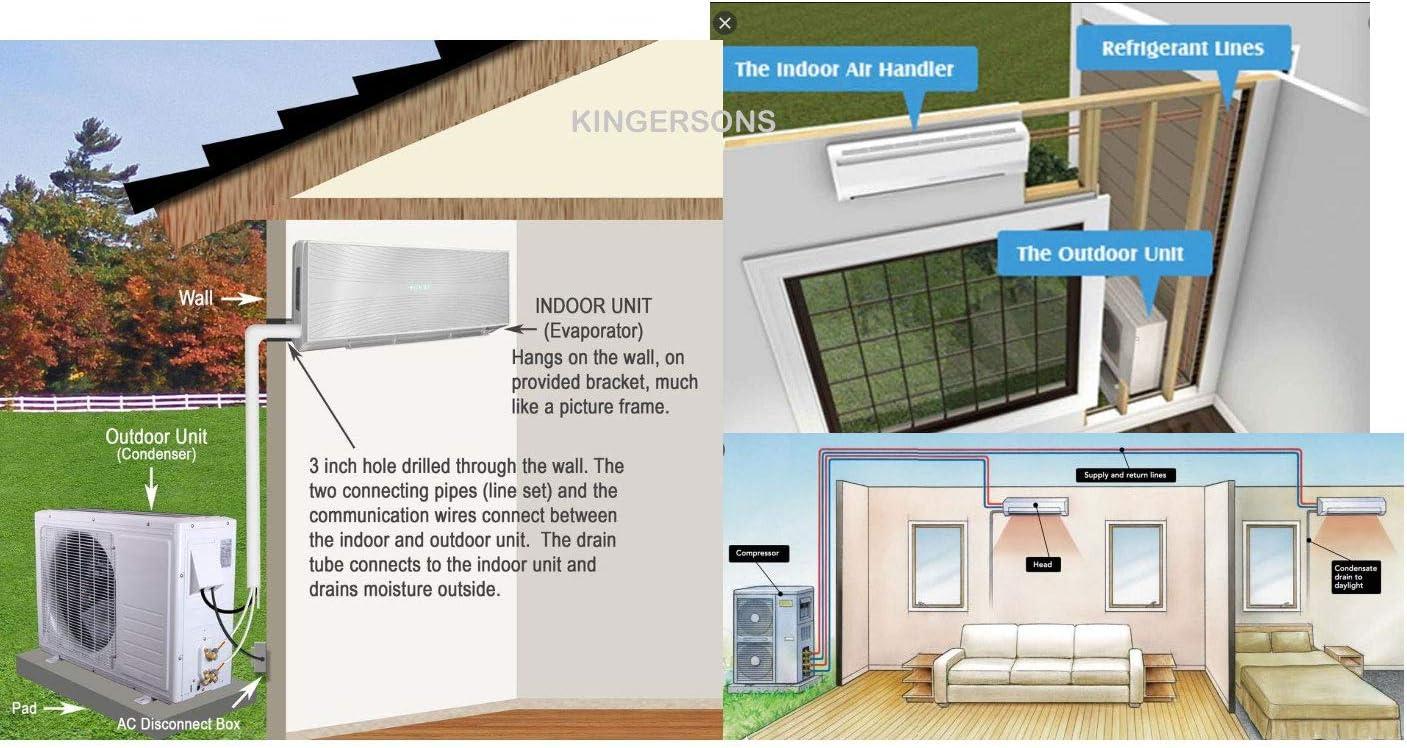
For commercial environments and high-traffic areas, the Mitsubishi wall-mount ductless mini-split is positioned as a strong single-zone option as it’s built around an inverter-driven compressor that (according to Mitsubishi’s product description) is designed to generate the precise capacity needed to maintain a temperature set point. That variable-capacity approach is particularly relevant for business operations where heat loads can swing quickly—think doors opening often, fluctuating occupancy, and equipment adding intermittent heat—because the system is intended to modulate output rather than operate strictly in an on/off cycle. From the stated specs, this is a 24,000 BTU (2 ton) system with SEER 18, and the listing states it is good for room size up to 1000 sq ft (with the practical note that real coverage depends on layout, insulation, and internal loads). The manufacturer also highlights features that can support day-to-day comfort control in active spaces,including multiple fan speeds (Quiet through Super High),Auto fan control,and dehumidifying mode.
Operationally, the included controls and automation features can definitely help maintain consistent comfort without constant staff intervention. The product description lists a hand-held remote, a 12-hour timer, and a Smart Set preset function for fast recall—useful when a shop, office suite, or service area needs repeatable settings across shifts. For business continuity, the system also includes automatic restart following a power outage, and for more demanding environments (like coastal or industrial locations), Mitsubishi notes an anti-corrosion treatment (blue fin coating / treated aluminum fins) on the outdoor heat exchanger to help protect against airborne contaminants. keep in mind the listing also states: must be installed by a qualified, licensed HVAC technician, and the manufacturer warranty is described as parts-only (with labor obligation on the installer), both of which are crucial considerations for commercial planning and downtime risk management.
Check Current Price & Customer Reviews on Amazon →
Energy Cost Savings Real Numbers for Operating Budgets and Efficiency Goals
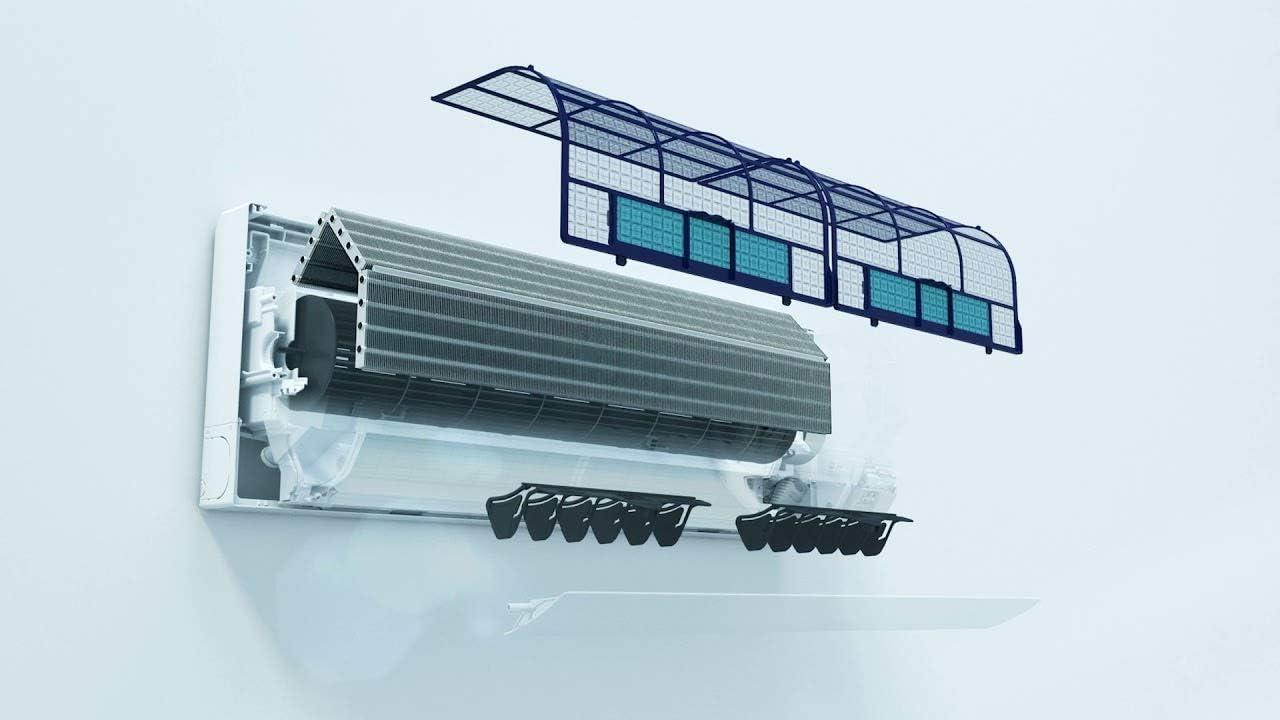
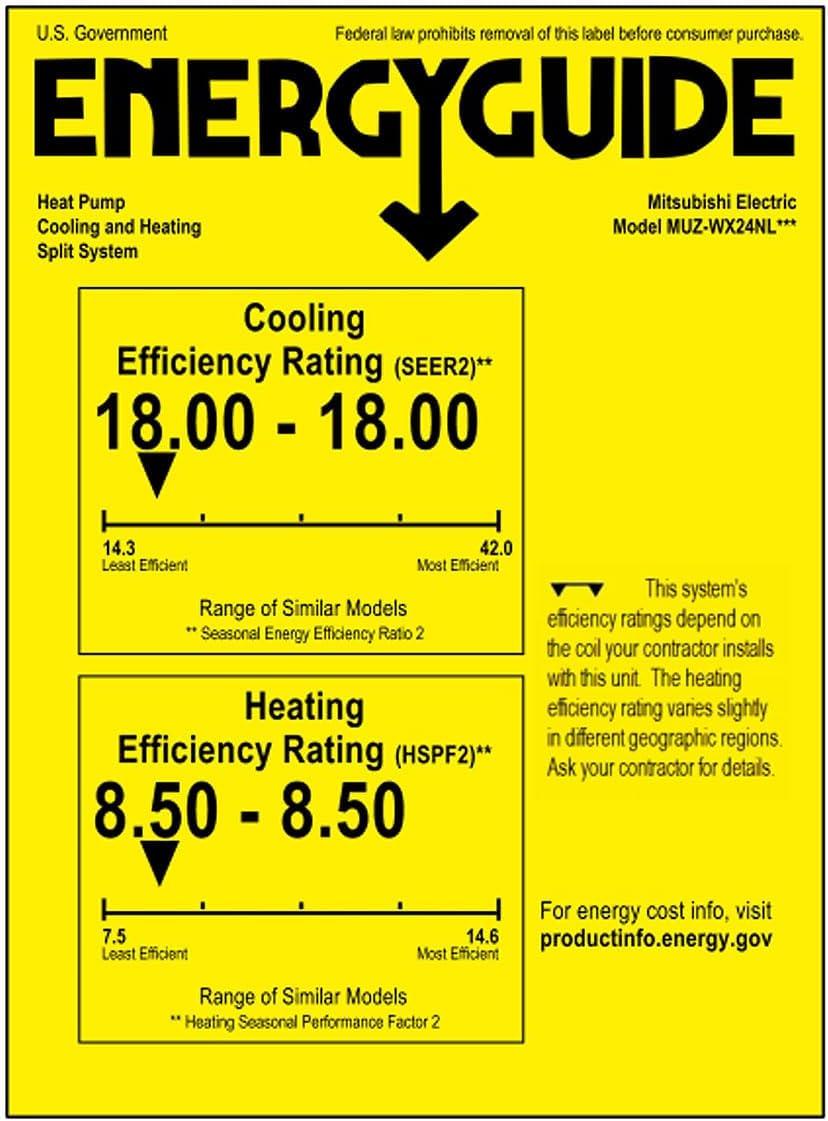
For operating budgets, the biggest “real number” you can lock in from the listing is that this Mitsubishi system is rated at SEER 18 (cooling efficiency) and uses an inverter-driven compressor. According to the manufacturer description, the inverter is designed to generate “the precise capacity needed” to hold your set temperature, rather than running at full output in on/off cycles. In practice, that design goal aligns with efficiency targets because it can reduce wasted energy during part-load conditions (when a space only needs a little cooling or heating to stay comfortable). The unit is also specified as 24,000 BTU (2 ton) and “good for room size up to 1000 sq ft” per the product description—critically important for cost control, as correct sizing helps avoid short cycling and the needless power draw that can come with an oversized system.
Efficiency-focused features called out in the description also translate into measurable operating habits—even if exact dollar savings can’t be promised without your utility rates and run time. mitsubishi specifically lists Econo Cool (which “temporarily and automatically adjusts the airflow” and slightly raises the set temperature to save energy while maintaining comfort) plus Smart Dry Mode for humidity control “with minimal over-cooling,” both of which are aimed at reducing how hard the system has to work. On the controls side, the included hand-held remote and 12-hour timer support scheduling, which is one of the most reliable ways to cut HVAC runtime in a real operating budget. If you’re tracking efficiency goals, the practical takeaway is that this system’s published specs and control features are built around matching output to demand and minimizing unnecessary cooling/heating—just keep in mind that installed performance depends heavily on proper sizing, line-set installation, and commissioning by a qualified technician (also emphasized in the listing).
Check Current Price & Customer Reviews on Amazon →
Installation Without Business Disruption Keeping Our Team and Customers Moving
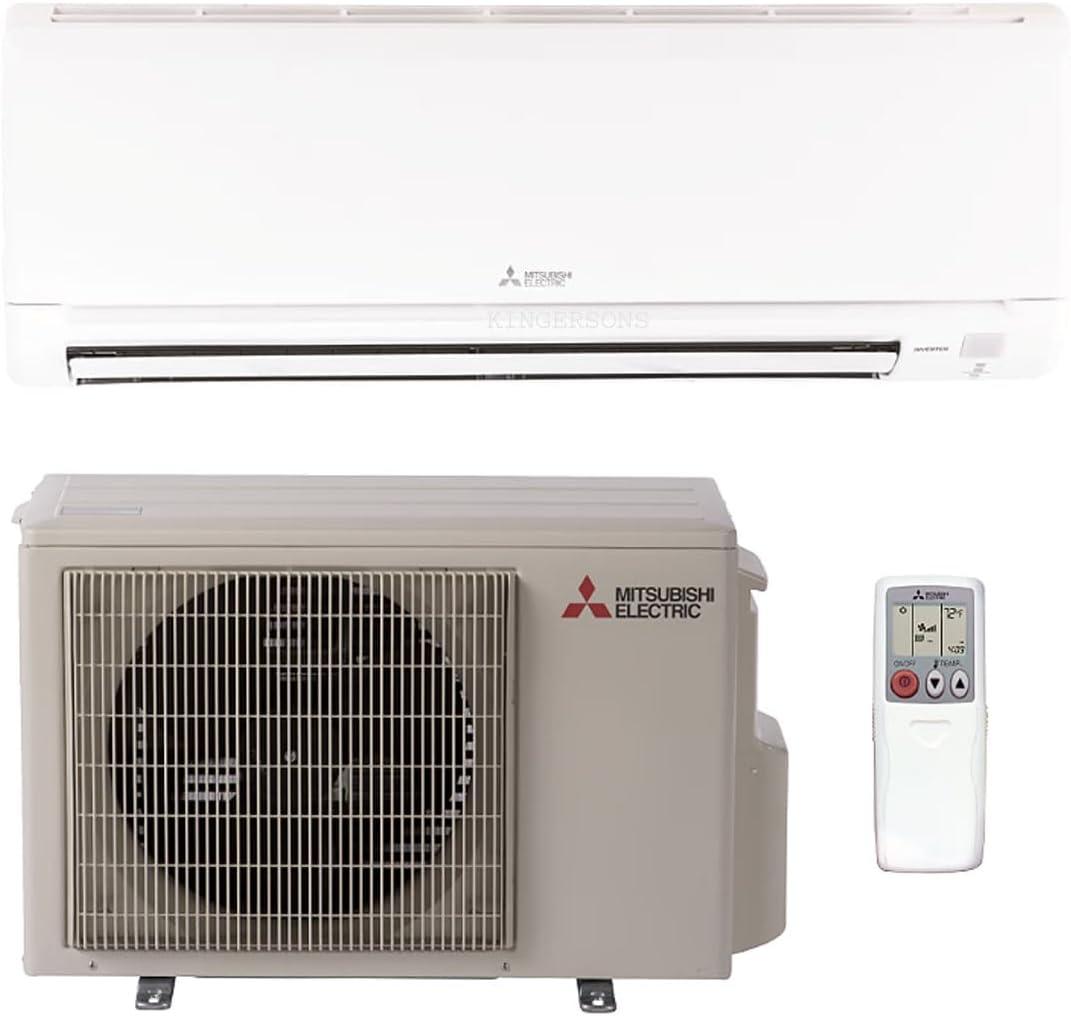
Keeping a workplace comfortable is one thing—keeping it comfortable without shutting down operations is another. This mitsubishi single-zone system is a 24,000 BTU (2 ton) wall-mount ductless mini-split, which (per the listing) is intended for spaces up to 1,000 sq ft, and ductless designs are often chosen specifically because they can be added to a room without tying into existing ductwork. According to the product description, it uses an inverter-driven compressor that modulates capacity to hold a set temperature more steadily, which can help reduce the “hot/cold swings” that distract teams and customers during the day. Features like Auto restart following a power outage also support continuity—if power blips, the unit is designed to resume operation rather than requiring constant attention.
That said, the listing is very clear: “Must be installed by a qualified, licensed HVAC technician.” For a business setting, that requirement matters because proper electrical and refrigerant work (it’s listed as 220V with a 20 AMP breaker) can be scheduled to minimize downtime and help avoid rework. Day-to-day usability also looks geared toward staying out of the way once it’s in: a hand-held remote controller, 12-hour timer, multiple fan speed options (including Quiet), and modes like Dehumidifying and Jet Cool can make it easier to keep the space comfortable during busy periods. The outdoor unit’s anti-corrosion treatment (blue fin coating) is also a practical touch for installations in coastal/industrial areas where exposure can shorten equipment life—helping reduce the chances of disruption later due to corrosion-related issues.
Check Current Price & Customer Reviews on Amazon →
Comfort and air Quality for Employees and Customers Plus Maintenance and Warranty for commercial Use Versus Alternatives
For day-to-day comfort in a commercial setting, this mitsubishi wall-mounted mini-split is positioned as a “single zone” system with 24,000 BTU (2 ton) capacity and SEER 18, and the description emphasizes comfort-focused controls rather than just raw output. Mitsubishi highlights an inverter-driven compressor designed to “generate the precise capacity needed to maintain a temperature set point,” which (in general mini-split terms) helps reduce hot/cold swings that can bother employees and customers. Air quality and “feel” are addressed through built-in operating modes and airflow options, including dehumidifying mode, Jet Cool, Smart Dry Mode (humidity control with minimal over-cooling), and multiple fan speeds (Quiet through Super High, plus Auto). for customer-facing spaces, the ability to tailor a single zone/room and use features like the 12-hour timer, “Smart Set” one-button recall, and automatic restart following a power outage can also support more consistent comfort with less staff intervention.
On maintenance and long-term ownership, the listing is clear about two things that matter in commercial use: corrosion protection and warranty responsibility. Mitsubishi notes an anti-corrosion treatment on the outdoor unit’s aluminum fins intended to help protect against contaminants like salt and sulfur (a practical consideration near coasts or industrial areas).Routine mini-split upkeep still applies—keeping filters clean and ensuring the outdoor coil stays clear—because airflow restrictions can reduce comfort and efficiency over time. Warranty-wise, the description states: “Must be installed by a qualified, licensed HVAC technician” and that the manufacturer covers parts only under warranty, while the installer is responsible for labor warranty. Compared with some alternatives (like lower-cost brands or DIY-focused kits), that commercial-leaning requirement can be either a plus (professional accountability) or a constraint (higher install cost and less versatility), so it’s worth confirming installer terms up front—especially if downtime would impact your business.
Check Current Price & Customer Reviews on Amazon →
Customer Reviews Analysis
I can’t write an accurate Customer Experience Summary yet because you didn’t include any actual review text or a review dataset after “REVIEW DATA:”.your rules require that I only report what customers actually said,and I can’t infer or invent themes without the reviews.
If you paste the reviews here (full text, or even bullet-point snippets), I’ll analyze them and produce the section in your required structure:
1) Overall Sentiment
2) Common Praise (grouped by categories like performance, noise, installation, etc.)
3) Common Concerns (same grouping)
4) notable Use Cases (specific scenarios reviewers described)
Send either:
- The text of the reviews (copy/paste), or
- A link + the review excerpts you want included (since I can’t browse reliably), or
- A CSV/table with columns like
rating,title,review_text,date.
Once you provide the review data, I’ll quote themes directly and include both positive and negative feedback without adding anything that isn’t in the reviews.
Pros & Cons
Strengths
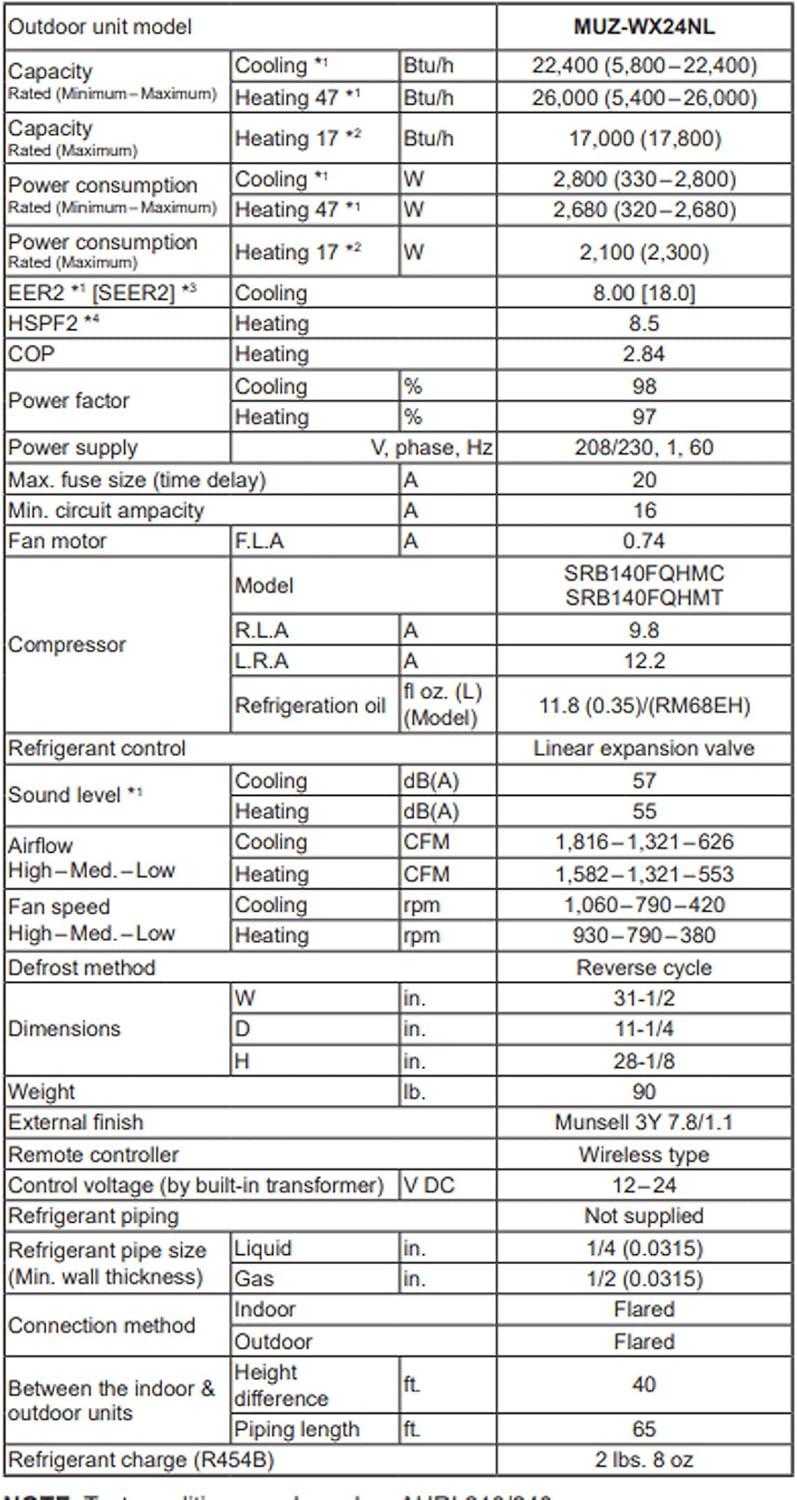
- 24,000 BTU (2-ton) cooling & heating: Listed as a 24,000 BTU system and “COOLS & HEATS,” with heating output noted up to 26,500 BTU max.
- SEER 18 efficiency rating: the description specifies “SEER 18,” positioning it as a higher-efficiency option versus basic HVAC equipment.
- Inverter-driven compressor for controlled capacity: Manufacturer description states an “INVERTER-driven compressor” that “generates the precise capacity needed to maintain a temperature set point.”
- Quiet-focused operation and broad fan control: Claims include “quiet,” plus multiple fan speeds (Quiet/Low/Medium/High/Super High) and auto fan speed control.
- Comfort/air management modes included: Features listed include Dehumidifying mode, Jet Cool, Econo Cool, and Smart Dry Mode (humidity control with minimal over-cooling).
- convenience and resilience features: Includes “automatic restart following a power outage,” a 12-hour timer, and a “Smart Set” feature for one-button recall of pre-programmed settings.
- Outdoor-unit corrosion protection: the outdoor unit is described as having anti-corrosion treatment/“blue fin coating” to help protect against salt,sulfur,and airborne contaminants (noted for coastal/industrial areas).
Considerations
- Professional installation requirement (warranty implication): The listing states it “Must be installed by a qualified,licensed HVAC technician,” and notes the manufacturer covers parts only while the installer is responsible for labor warranty.
- Electrical requirements may add cost/complexity: Specs call out “220V” and a “20 AMP Breaker,” which may require appropriate existing service or electrical work.
- Single-zone/room-focused system: Described as a “Single Zone Mini Split System” with “individual Zone/Room control,” so it’s intended for one zone rather than multi-zone coverage.
- Coverage claims depend on conditions: The description says “Good for Room size Up to 1000 Sq Ft,” which can vary in real use depending on insulation, layout, climate, and heat load (not detailed in the listing).
Q&A
What size space can this 24,000 BTU (2 ton) Mitsubishi mini-split cool and heat?
The listing describes this as a 24,000 BTU (2 ton) system and states it is “Good for Room Size Up to 1000 Sq Ft.” Actual coverage varies based on insulation,ceiling height,sun exposure,layout (open vs.closed rooms), and local climate. For the most accurate sizing, verify with the manufacturer documentation or an HVAC contractor using a load calculation.
Does this system provide both heating and cooling, and what is the maximum heating output?
Yes. This is a “Cool & Heat” heat pump system (cooling + heating). The product details list “Heating Btu 26,500 MAX.” Heating performance in real conditions can vary by outdoor temperature and installation details; check Mitsubishi’s model-specific performance tables for low-ambient capacity.
What electrical requirements does it have (voltage and breaker size)?
The product information provided specifies 220V power and a “20 AMP breaker.” Electrical work requirements (wire size, disconnect, local code needs) vary by jurisdiction—confirm with the installation manual and a licensed electrician/installer.
Is professional installation required, or can I install it myself?
The product description explicitly states: “Must be installed by a qualified, licensed HVAC technician.” Mini-split installation typically involves refrigerant handling, pressure testing/evacuation, and charging/line-set practices where required. If you are considering any DIY work, verify what is permitted by local code and how it affects warranty coverage.
What warranty coverage is included?
The description notes: “Manufacturer covers parts only under warranty. Installer is responsible for labor warranty.” Because warranty terms can vary by seller, region, and registration requirements, confirm the exact warranty language on the Amazon listing and/or Mitsubishi’s documentation for the specific model included in this system.
What comfort/efficiency features are included (SEER, inverter, humidity control, timers)?
This system is listed as SEER 18 and uses an inverter-driven compressor (described as “INVERTER-driven compressor,” with “Pulse Amplitude Modulation (PAM)” and an LEV for controlled capacity). The features listed include dehumidifying mode, “Smart Dry Mode” (humidity control with minimal over-cooling), “Econo Cool” (adjusts airflow based on heat exchanger temperature), a 12-hour timer, multiple fan speeds (Quiet/Low/medium/High/Super High plus Auto), a “Smart Set” preset feature, and automatic restart following a power outage.
Is the outdoor unit protected for coastal/industrial environments?
The outdoor unit is described as having a “blue fin coating” and “an anti-corrosion treatment applied to the aluminum fins of the heat exchanger… especially in coastal and industrial areas.” This can help resist corrosion from salt/sulfur/airborne contaminants, but long-term performance still depends on placement, exposure, and maintenance. For suitability in harsh environments, confirm details in Mitsubishi’s documentation for the specific outdoor unit model.
Transform Your world
SUMMARY: The mitsubishi 24,000 BTU (2-ton) wall-mount ductless mini-split pairs an inverter-driven compressor with SEER 18 efficiency and both cooling and heating (up to 26,500 BTU max heat). It’s designed as a single-zone solution and is generally marketed for spaces up to about 1,000 sq ft, with features like multiple fan speeds, dehumidifying/“Smart Dry,” auto-restart, a handheld remote, and corrosion-resistant outdoor coil coating. Review themes commonly center on strong temperature control, quiet operation, and the comfort benefits of inverter modulation—though installation is often noted as a key factor in satisfaction.
BEST FOR: Single-room or open-area conditioning where steady comfort, low noise, and single-zone control matter—especially in 220V setups.
CONSIDER ALTERNATIVES IF: You need multi-zone coverage, DIY installation (this requires a licensed HVAC tech), or want broader labor warranty coverage.
FINAL THOUGHT: Solid specs and features for a dedicated zone—just plan for professional install and confirm sizing for your space.
Ready to learn more? View Full Specifications & Latest Reviews on Amazon →
Disclosure: This post contains affiliate links. If you purchase through these links,we may earn a commission at no additional cost to you. We only recommend products based on verified specifications and customer reviews.